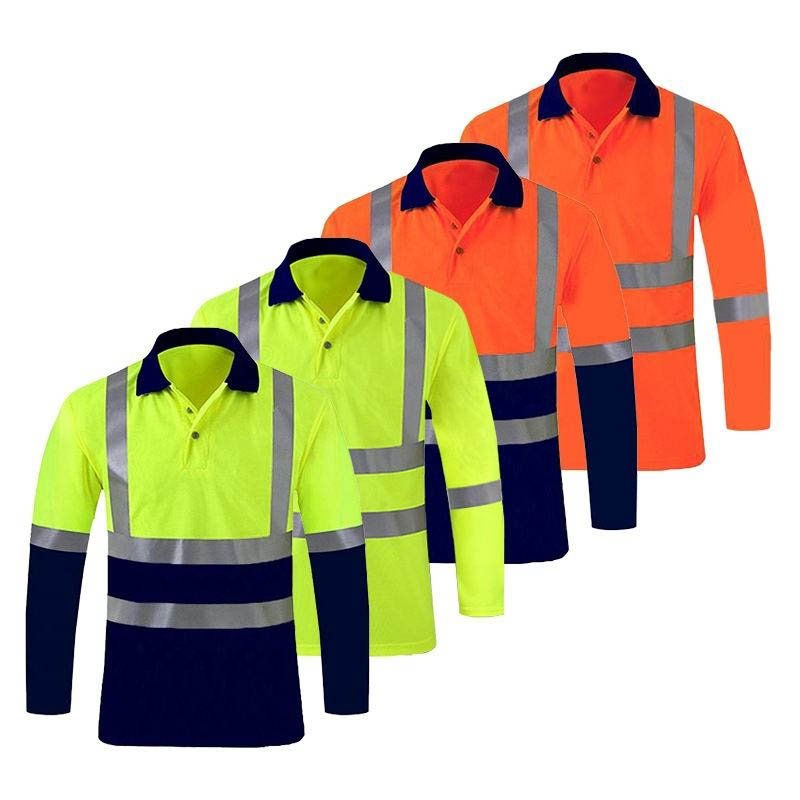
How to Set Up a Hi Vis Clothing Replacement Policy for Your Workplace
A strong hi vis replacement policy is not just about replacing torn vests. It is a safety control system that keeps workers visible, compliant, and protected throughout the full lifecycle of each garment.

Quick Answer: How Do You Set Up a Hi Vis Clothing Replacement Policy?
To set up a hi vis clothing replacement policy, define who receives high visibility PPE, choose compliant garments for each job role, set objective replacement triggers, inspect garments on a fixed schedule, track wash cycles and exposure conditions, keep issue-and-replacement records, and maintain backup stock for damaged or non-compliant clothing. A practical policy should replace hi vis clothing when fluorescent fabric is faded, permanently dirty, torn, contaminated, misshapen, or when reflective tape has cracked, peeled, dulled, lost reflectivity, or exceeded its rated wash life. The safest approach is proactive: base replacement cycles on risk level, outdoor UV exposure, laundering frequency, and garment type rather than waiting until clothing visibly fails.
Why a Hi Vis Replacement Policy Matters
Most companies already know they need high visibility clothing for road work, construction, logistics, railway, mining, utilities, and other high-risk environments. The weaker point is often lifecycle management. A new vest or jacket may meet the required standard on day one, but that does not mean it will remain safe after months of sun exposure, mud, oil, industrial washing, abrasion, and daily use.
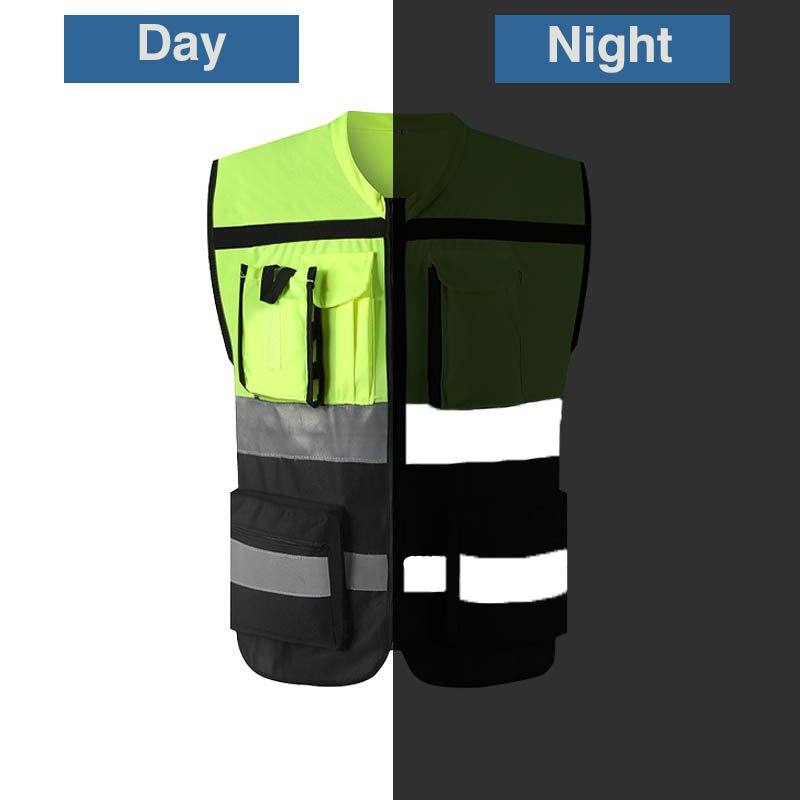
From a safety manager’s perspective, the problem is simple: a worker can be wearing hi vis clothing and still be poorly visible. Fluorescent colors may fade after prolonged UV exposure. Reflective tape may lose retroreflective performance after repeated washing or surface damage. Dirt and contaminants can reduce daytime contrast and nighttime reflectivity. In other words, “still wearable” does not always mean “still compliant.”
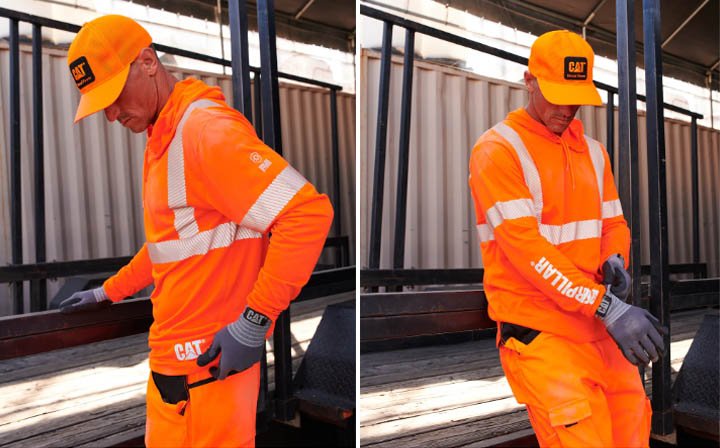
This is why a replacement policy should be treated as part of a broader workplace PPE system. If your team operates in the United States, resources from OSHA’s PPE guidance are useful for understanding employer responsibility. For European buyers, the European Commission PPE overview provides helpful regulatory context. For garment selection, you can also review our core Hi Vis Clothing category page to align replacement planning with your actual product mix.
The goal is not to buy more garments. The goal is to make sure every worker remains visible at the moment visibility matters most.
Define Clear End-of-Life Criteria
The most important part of your policy is the “end-of-life” rule. Without clear criteria, replacement decisions become inconsistent. One supervisor may allow a faded vest to stay in use, while another replaces it immediately. A good policy removes guesswork.
Replace immediately if fabric shows:
- Noticeable fading of fluorescent yellow, orange, or red fabric
- Permanent dirt, grease, cement dust, oil, or chemical staining
- Tears, holes, burns, fraying, or seam failure
- Loss of shape that affects coverage or fit
- Contamination that cannot be safely removed
Replace immediately if reflective tape shows:
- Cracking, peeling, bubbling, or missing segments
- Dull reflection when viewed under a flashlight test
- Heavy abrasion or surface scratches
- Heat damage from drying, ironing, or welding sparks
- Wash cycles beyond the tape manufacturer’s rated limit
For teams that rely heavily on reflective performance, it is worth reviewing the quality of the reflective components themselves. Different tapes and films have different wash durability, stretch behavior, brightness, and application methods. You can explore our Reflective Material solutions and Reflective Tapes to understand how material selection affects garment service life.

Set Replacement Cycles by Work Environment, Not by Guesswork
A single company-wide replacement timeline is often too broad. A road crew working under intense sunlight in Arizona, Queensland, or the Middle East will place far more stress on fluorescent fabric than an indoor warehouse team. A rainwear set used in ports or municipal sanitation faces different wear patterns than a lightweight vest used by visitors.
| Work Environment | Main Degradation Risk | Suggested Policy Approach |
|---|---|---|
| Road work and construction | UV exposure, dust, abrasion, heavy washing | Shorter scheduled cycle plus weekly visual checks |
| Warehouse and logistics | Soiling, forklift traffic visibility, repeated use | Monthly inspection and wash-cycle monitoring |
| Railway and night work | Critical retroreflectivity requirements | Strict reflective tape inspection before shifts |
| Mining and heavy industry | Contamination, abrasion, harsh laundering | Role-specific cycle with documented replacement records |
| Rainwear and winter jackets | Waterproof coating wear, seam damage, tape peeling | Seasonal inspection before high-use periods |
This does not mean every garment must be replaced on a fixed date regardless of condition. Instead, set a maximum service life, then allow earlier replacement if inspection results show reduced visibility. For technical reference, safety teams may consult resources such as NIOSH highway work zone safety information when assessing visibility risks around moving vehicles.
Build a Simple Inspection and Documentation Process
The best replacement policy is one your team can actually follow. Complicated systems often fail because supervisors do not have time to complete them. Keep the inspection process simple, visual, and repeatable.
Recommended inspection schedule
- Daily self-check: workers check for obvious tears, contamination, or missing reflective tape before use.
- Weekly supervisor check: team leaders inspect high-risk crews against a simple checklist.
- Monthly PPE audit: safety or procurement teams review replacement records, stock levels, and recurring failure patterns.
- Seasonal review: inspect rainwear, winter jackets, and outdoor workwear before peak weather exposure.
Your inspection form should include employee name or ID, garment type, issue date, wash count if available, department, inspection date, condition status, and action taken. If a garment fails, record whether it was replaced due to fading, tape failure, contamination, fit problems, or physical damage. Over time, this data helps procurement teams choose better materials and plan more accurate reorder cycles.
Some companies also use a color comparison card or approved “new garment” sample to judge fading. For reflective performance, a quick flashlight test in a low-light area can reveal obvious loss of brightness, although formal testing should be handled according to relevant standards and supplier documentation. If your organization operates under formal PPE requirements, the UK HSE PPE guidance is a useful external reference for employer duties and PPE management principles.

Budget for Replacement Stock Before Garments Fail
Reactive replacement creates hidden costs: urgent orders, inconsistent styles, safety gaps, and employees waiting for compliant PPE. A planned replacement policy gives purchasing teams better control. Instead of buying only when someone reports damage, build replacement stock into your annual PPE budget.
Practical replacement stock formula
For each garment category, start with:
Required Stock = Active Workers × Garments per Worker + New Hire Buffer + Damage Replacement Buffer + Seasonal Reserve
For high-turnover or high-abuse environments, increase the damage buffer. For branded garments with custom logos, keep extra stock because replenishment lead times can be longer.
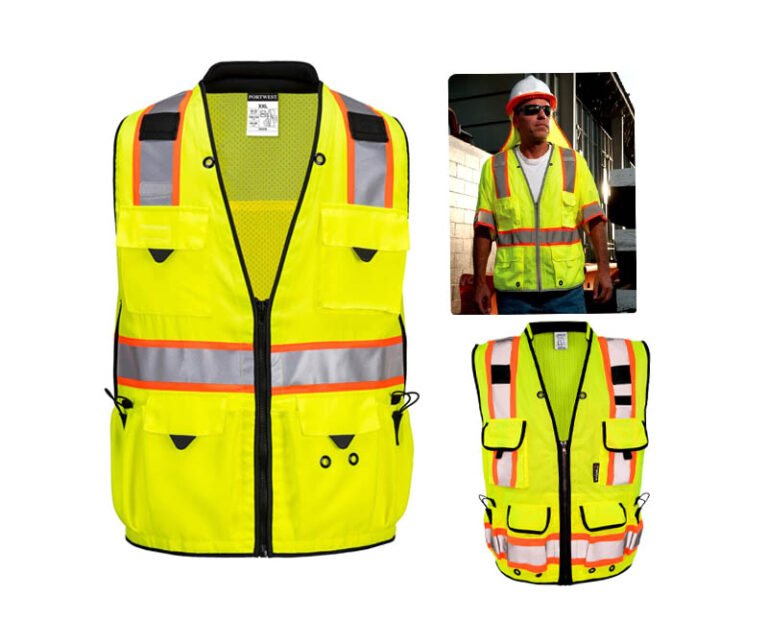
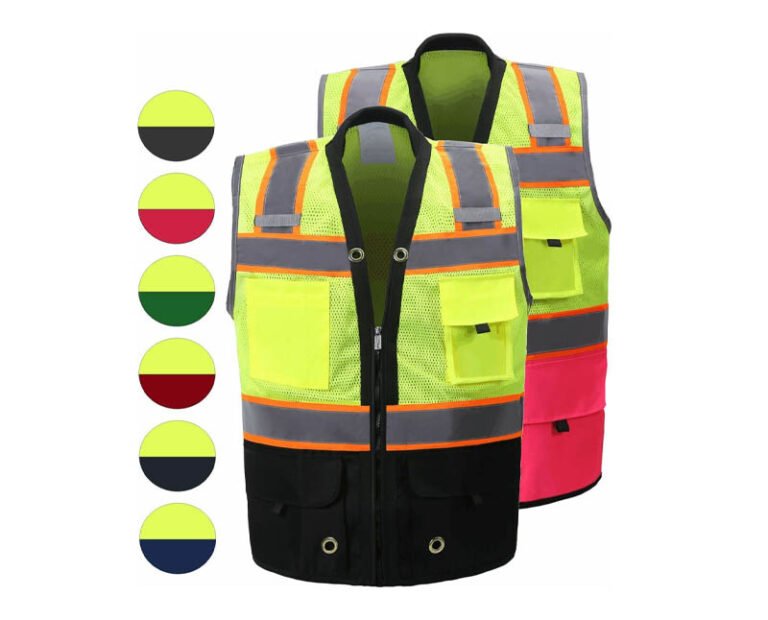
This is where total cost of ownership becomes more important than unit price. A cheaper vest that fades quickly may cost more over a year than a better garment with stronger fabric, durable reflective tape, and consistent compliance documentation. For bulk programs, consider working with a supplier that can support repeat orders, size planning, private label packaging, and consistent materials across production batches. VizGlo Safety provides OEM/ODM solutions across Hi Vis Workwear, High Visibility Vests, and Hi Vis Raincoats for companies that need stable long-term supply.

Hi Vis Clothing Replacement Policy Template
You can adapt the following structure for your workplace:
1. Purpose
To ensure all employees who require high visibility clothing remain clearly visible and compliant during work activities.
2. Scope
Applies to all employees, contractors, visitors, and temporary workers required to wear high visibility PPE in designated work areas.
3. Issue Records
Each garment shall be recorded by garment type, size, issue date, department, employee, and compliance category where applicable.
4. Inspection Rules
Employees shall conduct daily checks. Supervisors shall conduct weekly inspections for high-risk teams. Safety or procurement departments shall perform monthly audits.
5. Replacement Triggers
Garments must be replaced if they are faded, torn, permanently dirty, contaminated, poorly fitting, missing required reflective areas, or if reflective material has cracked, peeled, dulled, or exceeded its rated wash life.
6. Stock Control
The company shall maintain replacement stock for new hires, damaged garments, seasonal demand, and emergency needs.
Need Help Planning Replacement Stock?
VizGlo Safety helps distributors, safety managers, and enterprise buyers build practical hi vis clothing programs with compliant garments, durable reflective materials, OEM/ODM customization, and reliable reorder support.
FAQ: Hi Vis Clothing Replacement Policy
How often should hi vis clothing be replaced?
It depends on the work environment, laundering frequency, garment quality, and exposure conditions. Outdoor road crews and heavy industrial workers usually need shorter replacement cycles than indoor warehouse workers. The policy should set both maximum service life and immediate replacement triggers.
Can hi vis clothing fail even if it is not torn?
Yes. Fading, permanent dirt, UV degradation, and reduced reflective tape performance can make a garment unsafe even when the fabric is physically intact.
Should we track wash cycles?
Yes, especially for industrial laundry programs. Many reflective materials are rated for a specific number of wash cycles. Once that limit is reached, the garment should be inspected carefully and replaced if performance is reduced.
Who should inspect hi vis clothing?
Workers should perform daily self-checks, supervisors should carry out routine team inspections, and safety or procurement teams should manage monthly audits and replacement records.
What is the biggest mistake in hi vis replacement planning?
The biggest mistake is waiting for visible damage only. A professional policy also considers fading, reflective degradation, wash life, contamination, and worksite exposure.