Buyer Tool / Hi-Vis Workwear Procurement
Hi-Vis Clothing RFQ Template: What Suppliers Need Before Quoting
A useful request for quotation (RFQ) makes suppliers price the same garment, quantity, evidence and delivery scope. Use this field guide and copyable template to reduce missing assumptions before you compare offers.
For PPE distributors, uniform buyers, importers and private-label teams

Quick answer: specify the wearer and destination market, garment construction, reflective components, sizes and quantities, branding, labels, evidence, sample approval, packing and delivery point. Ask each supplier to list assumptions, exclusions and documents alongside the price.
1. Start with the use case and destination
State who will wear the garment, what work they perform, the likely exposure and the destination market. Include the employer or end-customer specification when available. Requirements can differ by market and application, so ask your responsible safety or compliance reviewer to confirm the applicable requirements before ordering. Do not ask a supplier to infer a compliance class from a product photo.
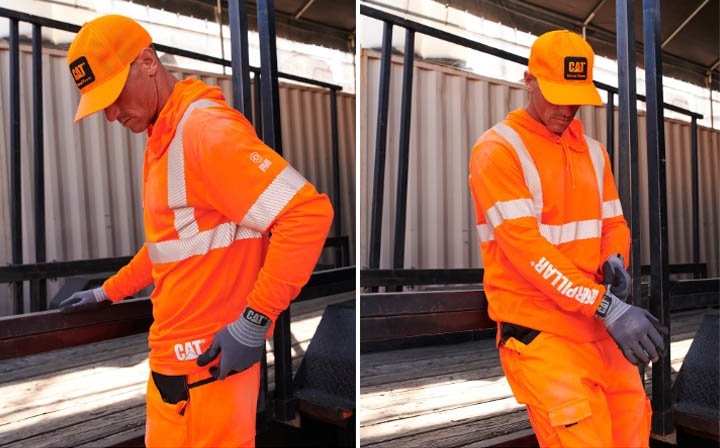
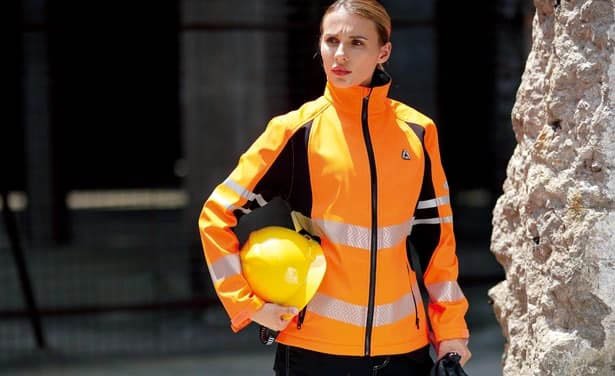
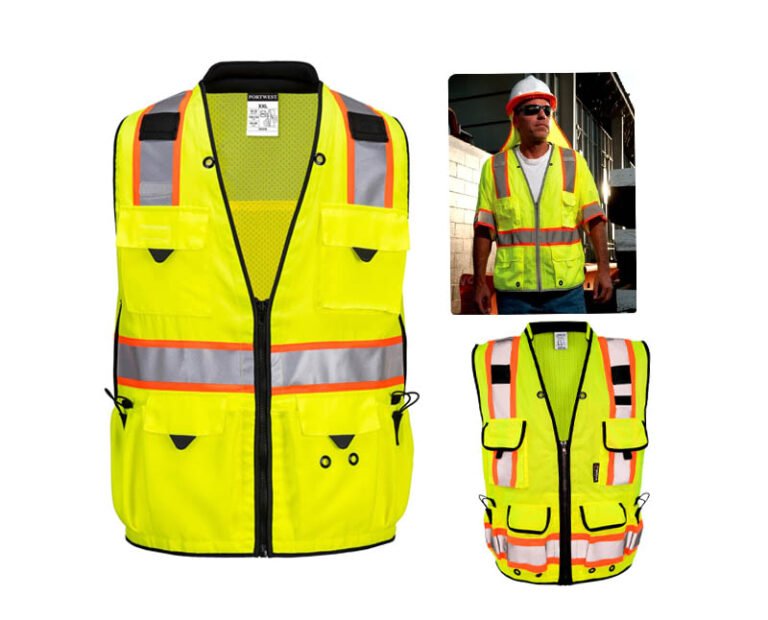
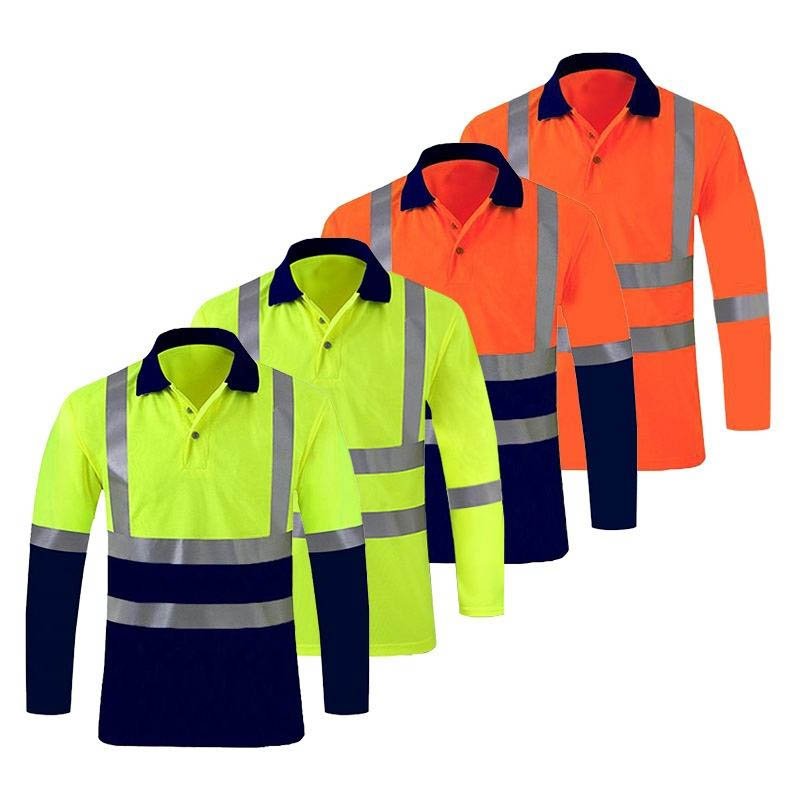
Define the garment family and intended season: vest, polo, sweatshirt, jacket or rainwear; expected layering; indoor or outdoor use; and any job-specific pockets or closures. For background on selecting materials and garment evidence, see our reflective tape specification guide.
2. Define the product, materials and artwork
Attach a tech pack or complete the fields below. Use product codes and revision numbers wherever possible. If a material is not selected yet, mark it as “supplier to propose” and require the proposal to include a product code, datasheet and any evidence your reviewer needs.
| RFQ field | What to specify | Supplier response |
|---|---|---|
| Garment | Style, construction drawing, fabric composition/weight if fixed, color and reference sample | Confirm exact match or list each deviation |
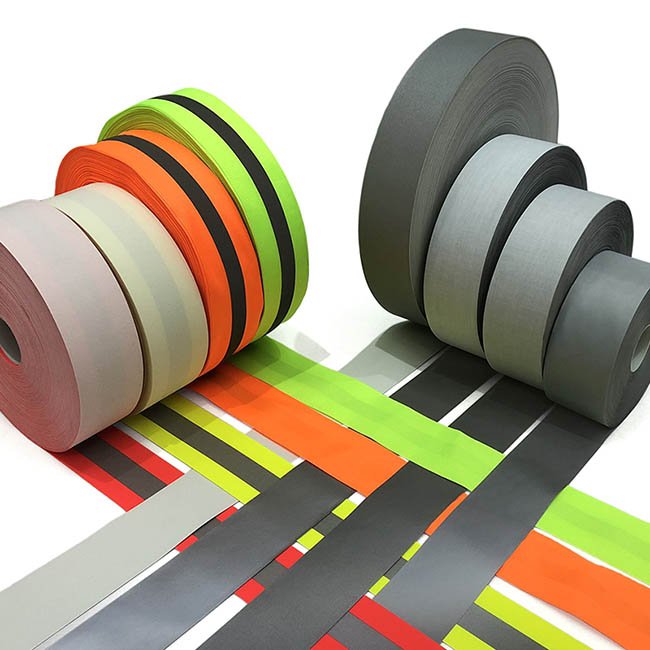
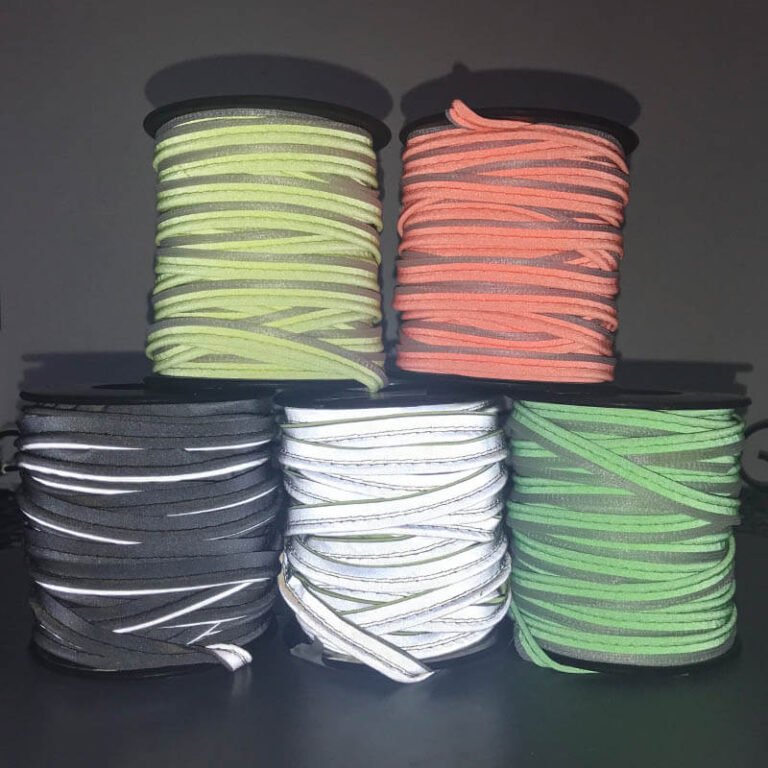
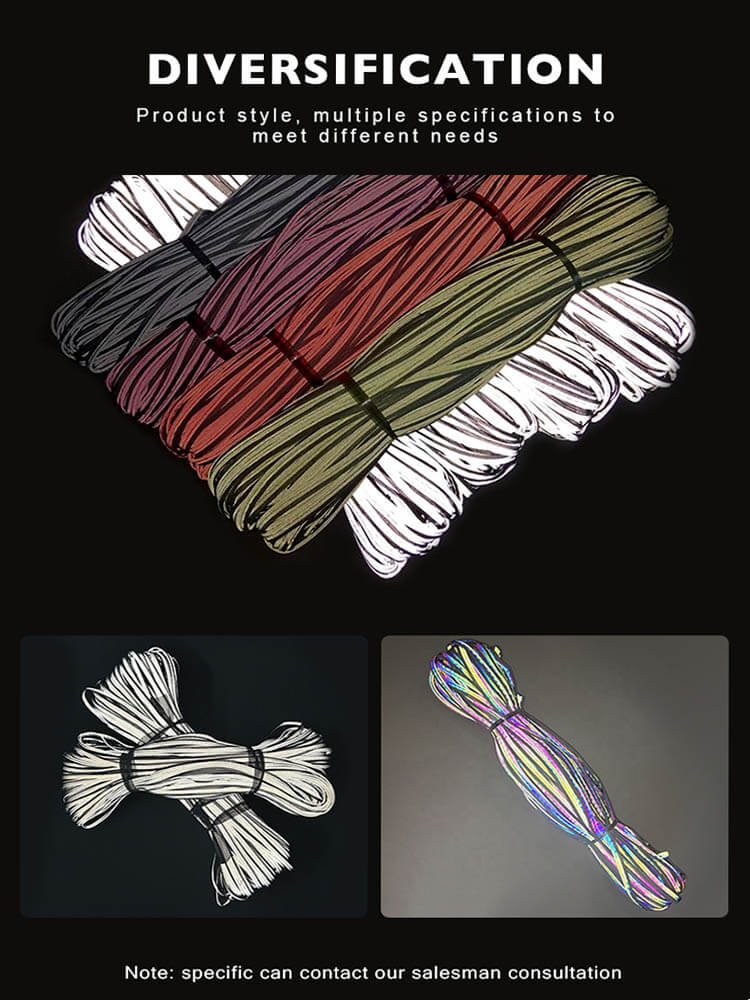
| Reflective components | Material type/product code, width, color, placement drawing and attachment method | Identify proposed item and supporting documents |
| Size and quantity | Size chart revision, quantity by size/color, forecast and repeat-order expectation | State MOQ, price breaks and any size surcharge |
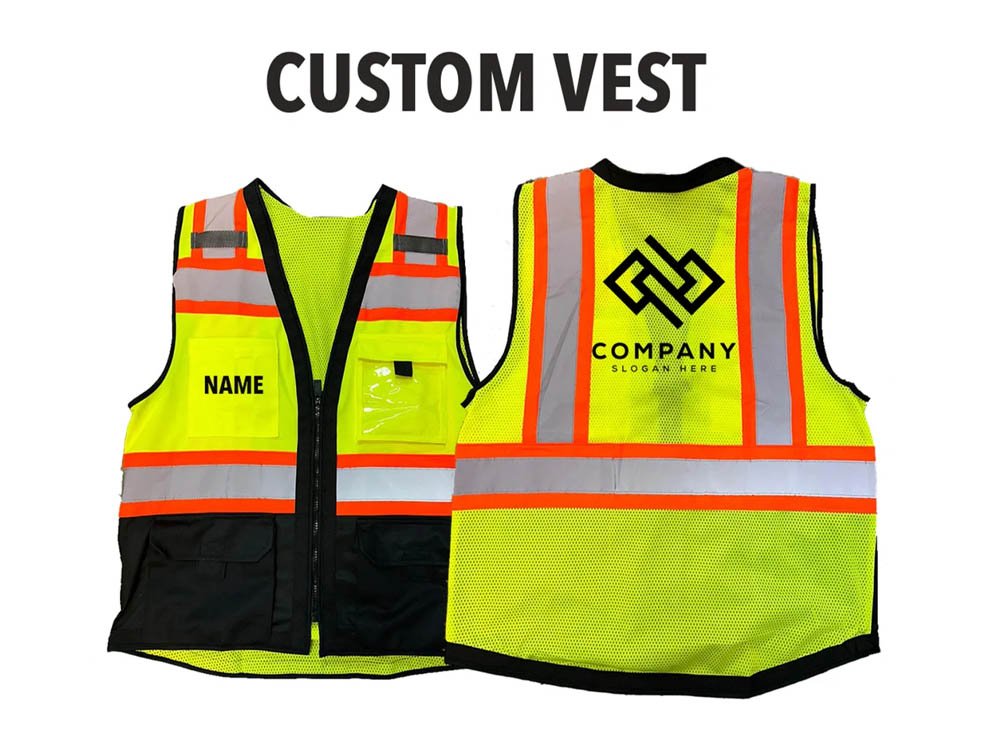
| Branding | Artwork file/revision, logo dimensions, position, colors and application method | Confirm setup fees and sample approval needs |
| Labels and pack | Label artwork, care information, barcode, folding, bag/carton and carton marks | List included items and packaging assumptions |
| Evidence | Required market documents, test scope, product identity and validity expectations | Identify available records and any gaps |
3. Make quantity, sample and timing comparable
Give the same quantity assumptions to every bidder: initial order, size/color breakdown, likely annual volume, reorder batch and whether quantities are firm or forecast. Ask for separate unit prices at useful volume breaks, sample charges, artwork or setup fees, and which charges are refundable or credited.
Request a timeline with its starting condition. For example, distinguish time to first sample from time to bulk production, and state whether the clock begins after deposit, approved artwork, material confirmation or signed sample. Ask what can delay the critical path and how a revised sample affects timing. See the separate sample review checklist before approving the production reference.
4. Request evidence and quality terms by scope
Name the documents or verification steps your team requires, and ask the supplier to identify the exact product, material, model, factory or test scope each document covers. A logo or certificate image by itself is not enough to show that it applies to the quoted garment. Keep material evidence, finished-garment evidence and visual sample approval as distinct records.
Define inspection points before production: sample sign-off, size measurement method, workmanship review, labeling, packing and any agreed tests. Set the acceptance criteria in your specification or contract rather than relying on undefined terms such as “standard quality.” For background, CCOHS explains that fluorescent and retroreflective materials serve different functions and advises buyers to check applicable garment and material evidence: CCOHS high-visibility apparel guidance.

5. Copyable RFQ template
PROJECT AND BUYER
Company / contact:
Destination market and end use:
Required delivery location and target date:

PRODUCT
Garment type / style reference:
Tech pack or specification revision:
Fabric and color:
Reflective component, product code and placement:
Size chart revision and size breakdown:
Logo artwork revision, dimensions and positions:
Labels, barcode and packaging:

ORDER AND EVIDENCE
Initial quantity by style / color / size:
Forecast and reorder assumptions:
Required sample(s), revisions and approval owner:
Documents or tests required, including scope:
Inspection points and agreed acceptance criteria:

PLEASE QUOTE SEPARATELY
Unit price by quantity break and size/color:
MOQ, sample/setup/artwork charges:
Sample and bulk lead-time assumptions:
Packing details and carton data:
Shipping term, named place and included charges:
Payment assumptions, quote validity and exclusions:
Supplier assumptions, proposed substitutions and open questions:
Ask suppliers to return the same line-item structure and flag every unquoted field. A blank cell should mean “not confirmed,” not an implied inclusion. Record quote version, date, currency and validity so later revisions remain comparable.
Turn the RFQ Into a Clear Next Step
Attach your artwork, size breakdown and product references, then request a sample plan and document list with the quotation. For help defining a custom garment, visit our OEM/ODM workwear page or send the completed brief to our team.
Send a Workwear RFQFAQ
Should I send the same RFQ to every supplier?
Yes. Keep the specification and commercial assumptions consistent, then document any supplier-proposed deviation separately.
Can I request a firm quote before finalizing the artwork?
You can request a budgetary quote, but label it as such and ask suppliers to separate any provisional setup, material or decoration assumptions.
Does a low unit price mean the offer is comparable?
Only after checking quantity breaks, included components, sample and setup costs, evidence scope, packing, delivery point and exclusions.