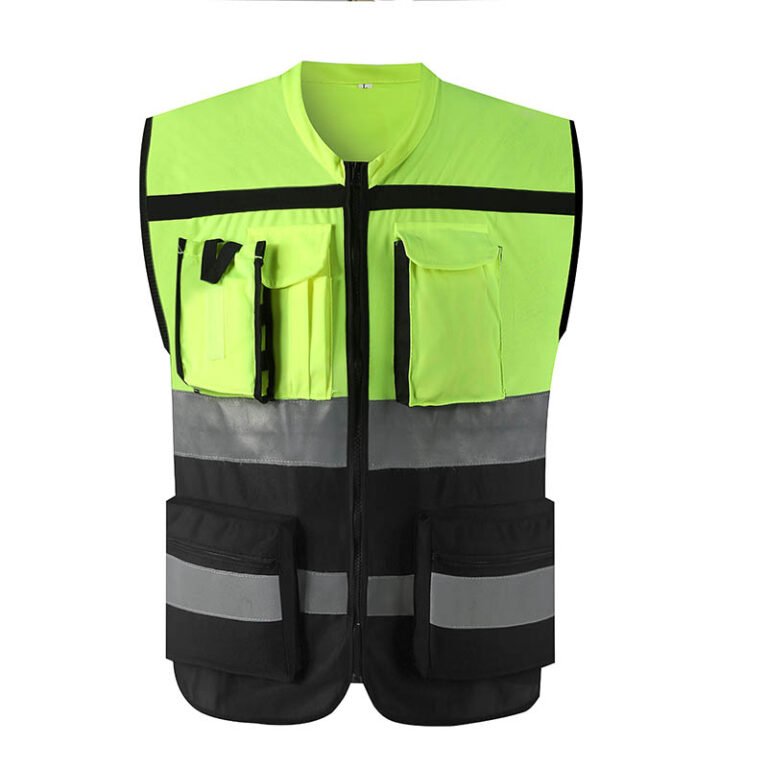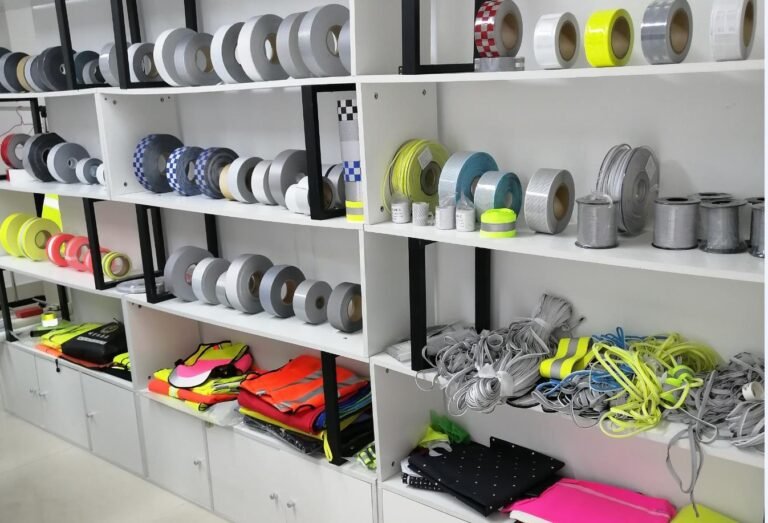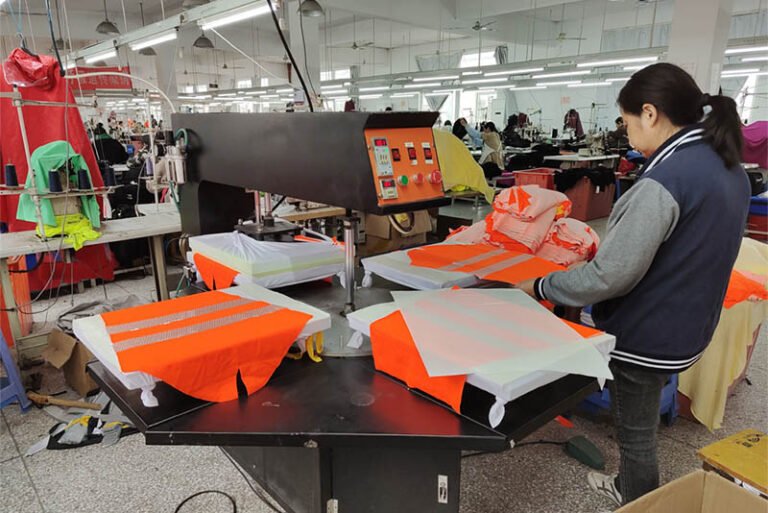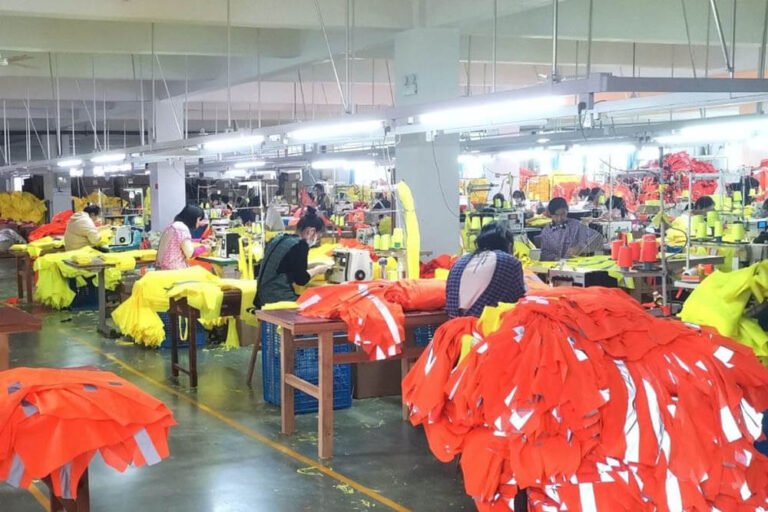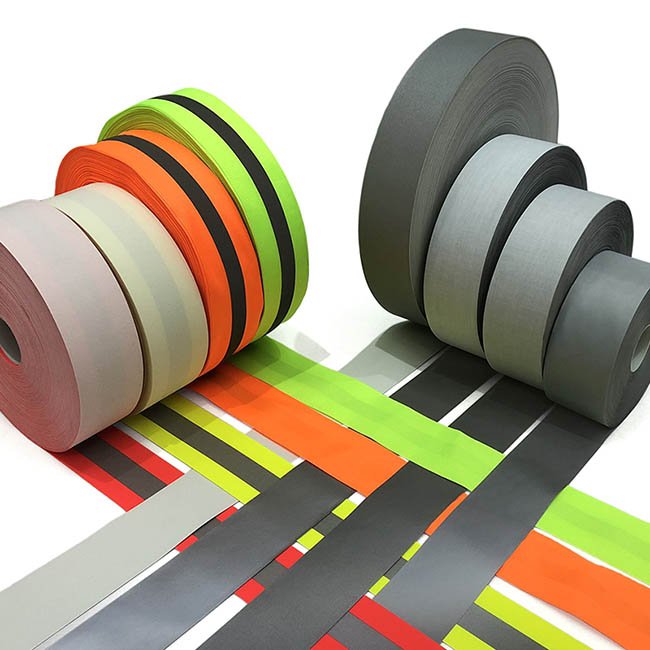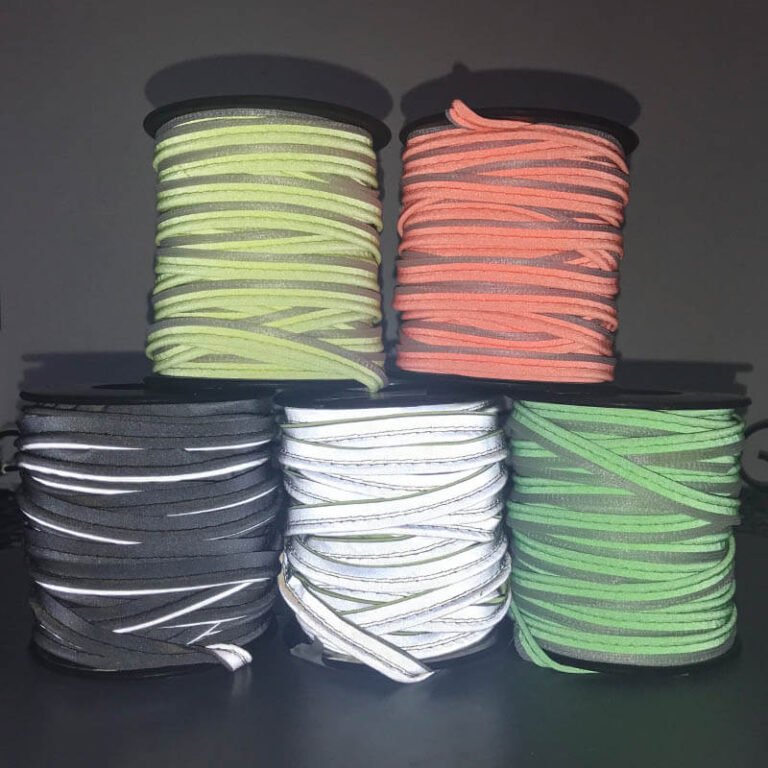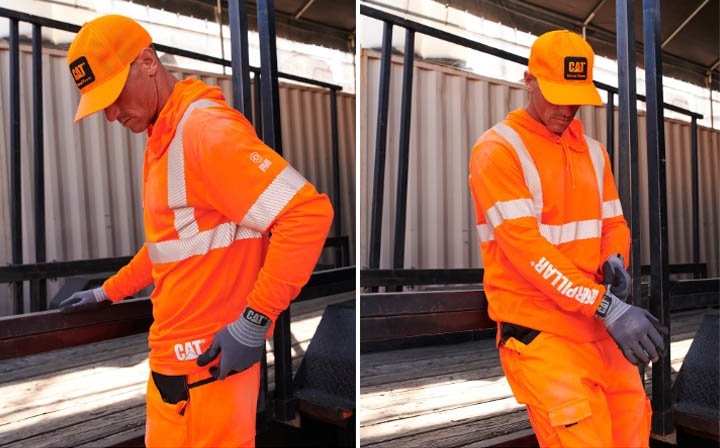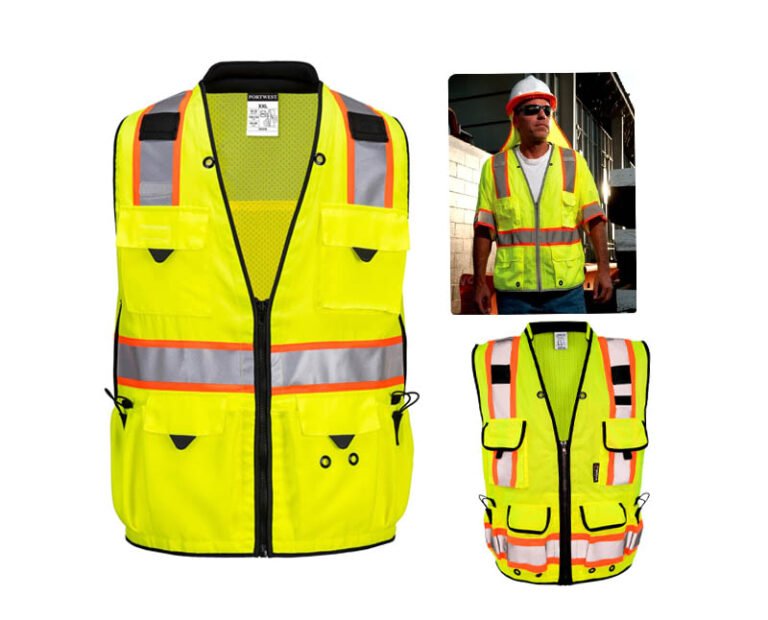
“Washable” is not a complete purchase specification. A useful durability request identifies the reflective material, the garment substrate, the cleaning and drying procedure, the number of cycles, and the performance that must remain afterward. This guide helps workwear buyers turn a broad claim into a reviewable test brief.
1. Define the decision the test must support
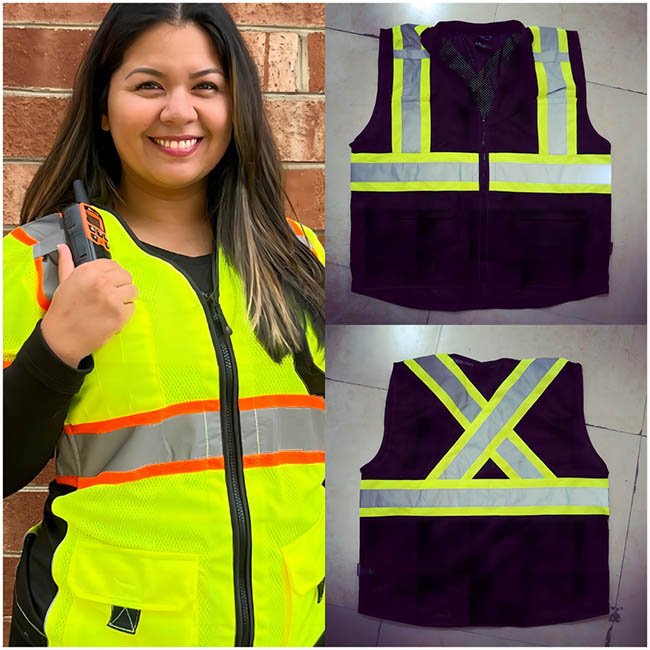
Start with the intended wearer, garment type and cleaning arrangement. Will garments be washed at home, by a contracted laundry or through a defined industrial process? Ask the end customer for its actual care restrictions and cleaning procedure. Do not select an impressive cycle count first and try to fit the product around it later.
Separate three decisions: whether the material is a suitable candidate, whether the material attaches reliably to the selected fabric, and whether the completed garment supports the intended claims. A supplier report for a reflective strip may answer the first question without answering the other two.
2. Identify every part of the specimen
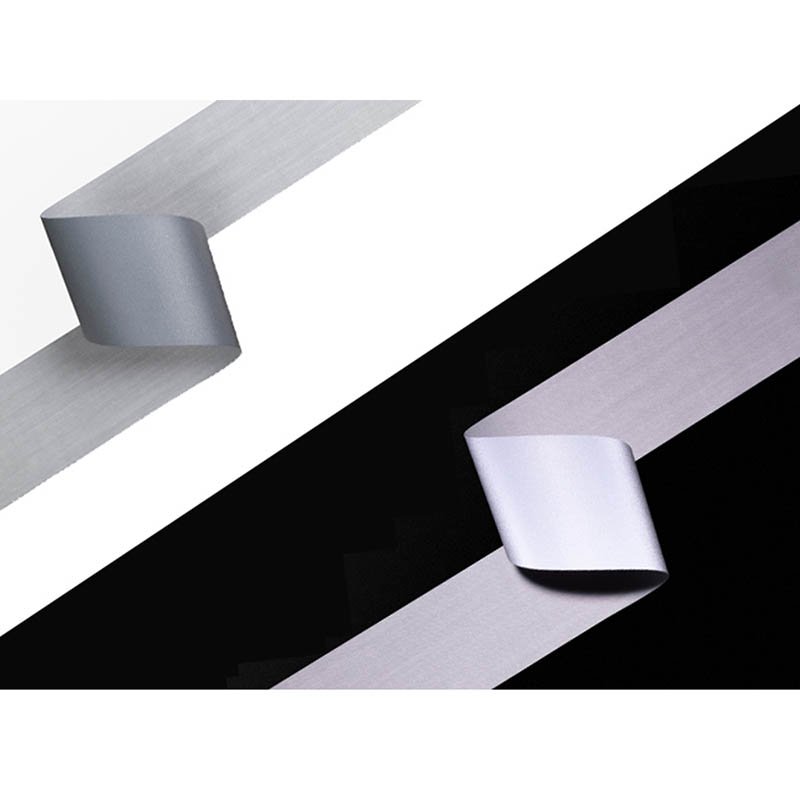
Record supplier, product code, lot, width and construction. For an applied sample, identify the fabric composition, finish, color and lot as well as the reflective material. Record the attachment method and its production settings or sewing specification. Include seams, folds and decorated areas when they are part of the design under evaluation.
Keep an unwashed reference and photograph labeled specimens before testing. The laboratory or responsible technical reviewer should specify specimen preparation, quantity and conditioning. These details should come from the applicable method and project scope, rather than a generic online checklist.
3. Put the wash protocol in writing
| Field | What the brief should identify | Why it matters |
|---|---|---|
| Method | Standard or agreed procedure, edition and relevant procedure identifier | A method name alone may contain several washing or drying options. |
| Wash conditions | Temperature, detergent, loading and other method-controlled parameters | Different cleaning conditions can produce different outcomes. |
| Drying route | Drying procedure and any prescribed settings | A wash-and-dry cycle must be defined consistently. |
| Cycle checkpoints | Required final count and any interim inspections | Results must correspond to the claim being reviewed. |
| Measurements | Required optical, physical and dimensional evaluations | Appearance alone does not quantify retroreflective performance. |
| Acceptance | Criterion, source, units and decision owner for each property | Pass/fail must be agreed before results are available. |
Ask the laboratory to confirm whether the proposed method matches the product claim and destination market. This article intentionally does not supply a universal temperature, cycle count or pass threshold. Those values depend on the selected product, method and claim.
4. Evaluate attachment and optical performance separately
For heat-applied material, document edge lifting, cracking, loss of segments or other visible changes using consistent photographs and agreed criteria. For sewn material, review the attachment, damaged edges and surrounding fabric. Record changes in garment dimensions or puckering if these affect the design. A visually intact strip still needs the optical measurements required by the test plan.
Conversely, a material result that meets an optical criterion does not automatically resolve an attachment failure. Keep each finding separate in the report so purchasing and product teams can decide whether the material, substrate or application process needs revision.

5. Check what the supplier report actually covers
Match the report identifier to the material offered in the quotation. Check specimen description, test date, method, preparation, laundering conditions, results and any exclusions. If the report describes a different backing, fabric or application process, ask the supplier to explain the gap and agree on additional validation.
Keep the complete report rather than a cropped “pass” image. Clarify whether testing covered the component alone or an assembled specimen. Where accreditation is relevant to the purchasing requirement, verify the laboratory and applicable scope through its accreditation body. A logo on a report is not the same as checking that scope.
6. Connect evidence to the care label and production release
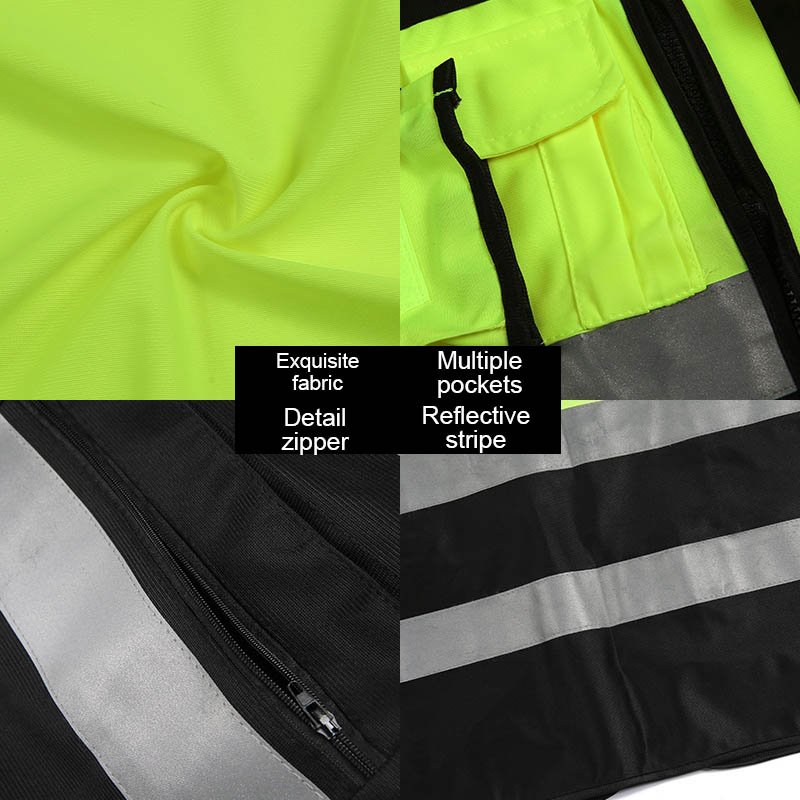
The approved care instructions should be compatible with the finished garment, including fabric, reflective elements, closures and decorations. Resolve conflicts before bulk production. Do not copy a component care instruction onto the garment without reviewing the complete assembly.
The CCOHS high-visibility apparel guidance explains that dirt and contamination can reduce visibility and emphasizes maintenance, inspection and appropriate cleaning instructions. A laboratory cycle count therefore should not be presented as a guaranteed service life under every workplace condition.
A copy-ready test request
Project and revision: [style / tech-pack version]
Material and substrate: [supplier codes / lots / construction]
Attachment: [approved process / settings or sewing specification]
Cleaning route: [intended use and proposed method]
Protocol: [edition / procedure / wash and dry conditions]
Checkpoints: [cycle counts and inspections]
Acceptance criteria: [property / method / threshold / source]
Deliverables: [complete report / photos / specimen identification]
Release owner: [name / required approval date]
Questions buyers often ask
Can two suppliers be compared by advertised wash cycles?
Only after checking the underlying specimen, procedure and pass criteria. Request comparable evidence or agree a common evaluation brief.
Does changing the garment fabric require review?
Yes. Treat a substrate or finish change as a review trigger, and have the technical owner decide which application and durability checks must be repeated.
Can a phone flash photo replace a laboratory measurement?
No. It may document appearance under a particular setup, but it does not provide a controlled quantitative result for a specified performance criterion.
Prepare a Reflective-Material Test Brief
Review reflective tape options and send the intended fabric, attachment process and care route with your request. Ask for product-specific evidence and identify any validation still required.