Material Selection / Reflective Workwear
Sew-On vs Heat-Transfer Reflective Tape: A Factory Buyer’s Selection Matrix
The attachment method changes how reflective material fits the fabric, moves through production and gets repaired. Compare sew-on and heat-transfer options against the actual garment, equipment and care process before approving a bulk order.
For workwear factories, apparel brands, trim buyers and PPE distributors
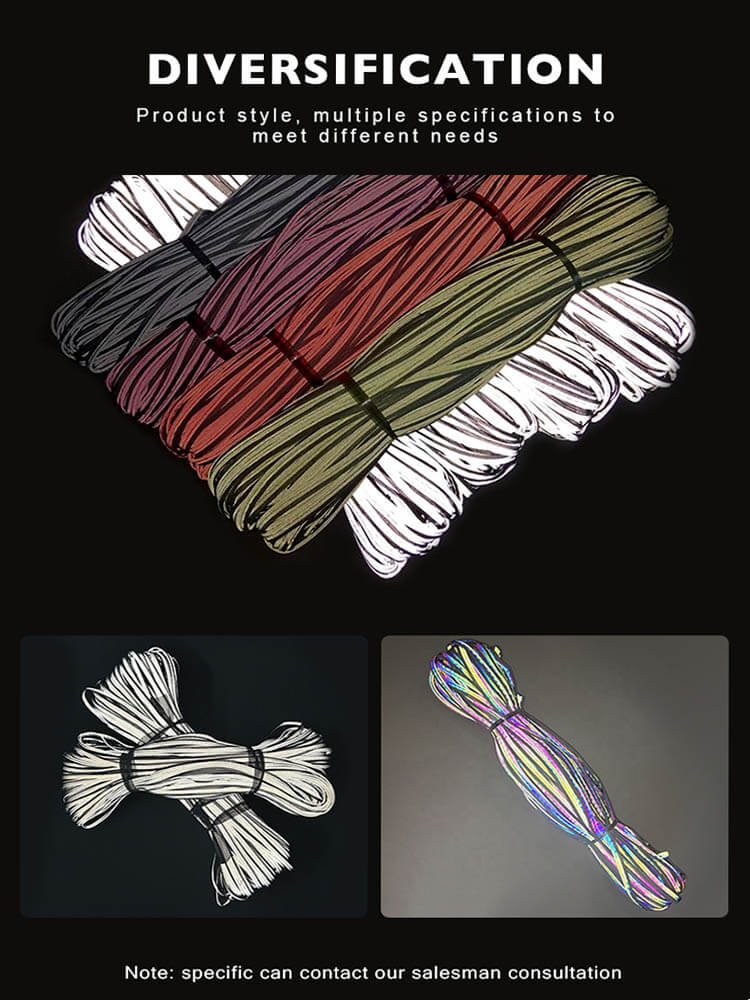
Quick answer: choose sew-on when the construction needs stitched mechanical attachment or repair access; choose heat-transfer when a compatible fabric, validated equipment and controlled application can deliver the required finish. Neither method is automatically better, and an image cannot prove wash or retroreflective performance.
1. Compare the production question first
Record the base fabric, coating, stretch, garment panel, tape width, design geometry and intended care process. Then ask what the attachment method must solve: a continuous band, segmented detail, logo, curved seam, low-profile finish, repairability or a short production run.
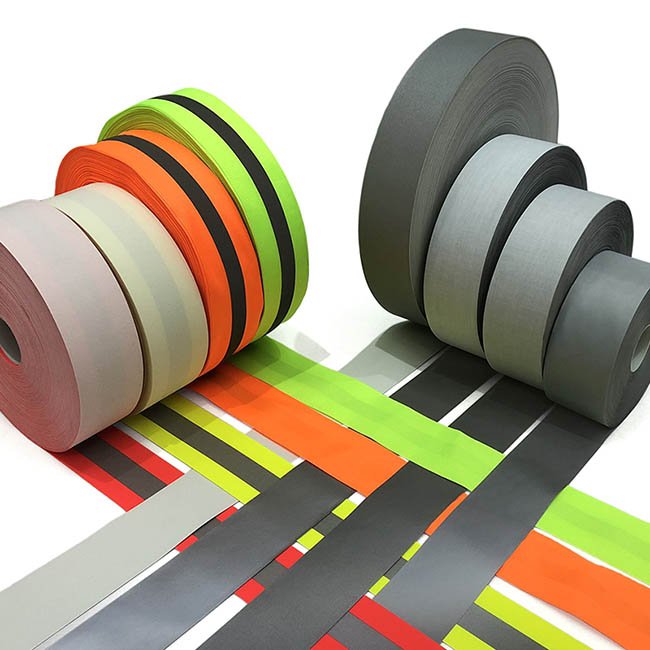
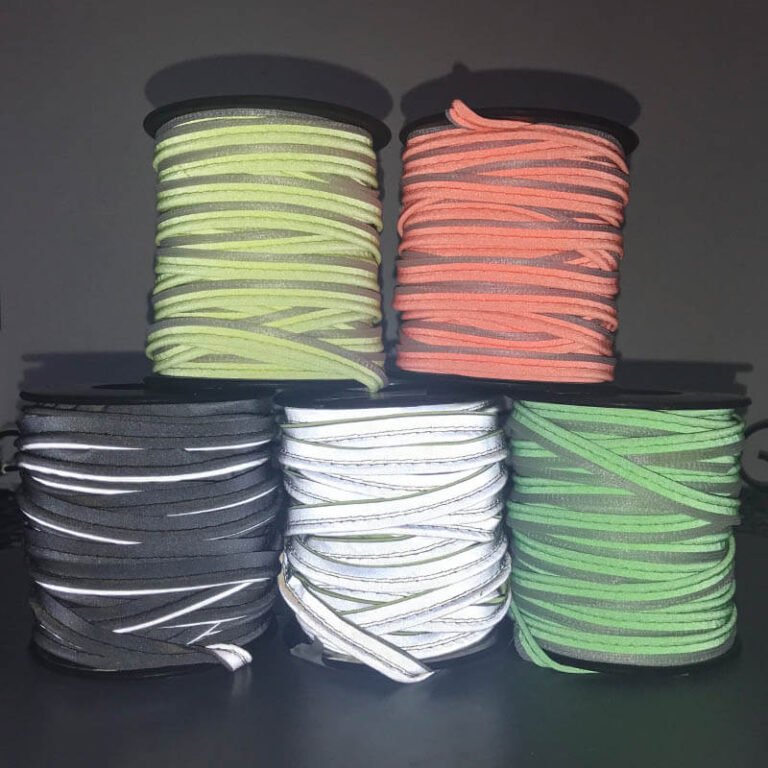
Keep the component identity separate from the attachment method. Request the tape or film product code, technical data, compatible substrates and any market-specific evidence your reviewer requires. See our reflective tape specification guide for the fields to capture in an RFQ.
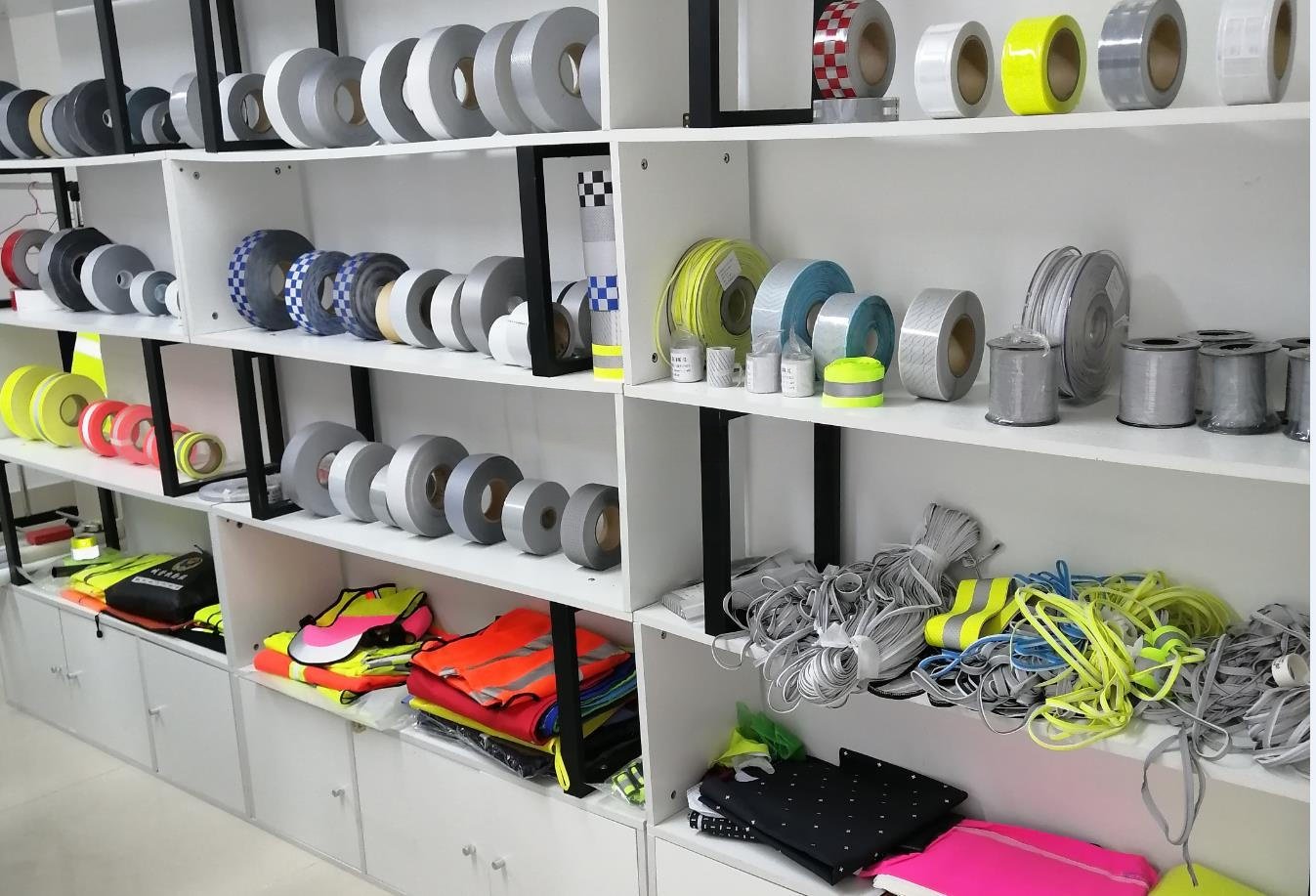
2. Selection matrix
| Buyer question | Sew-on tape | Heat-transfer tape or film |
|---|---|---|
| Base fabric | Often accommodates a wider range of fabrics, subject to needle, seam and construction limits. | Requires a compatible surface and a validated temperature, pressure, dwell and cooling process. |
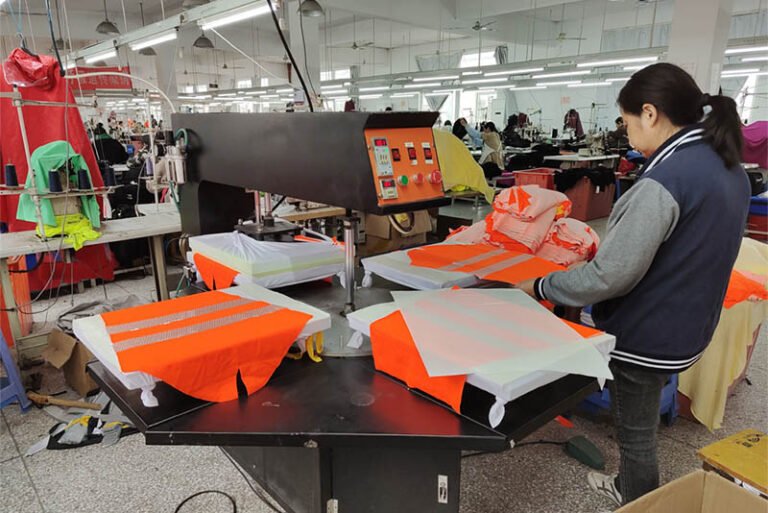
| Equipment | Sewing machine, correct needle/thread and operator control. | Press or application equipment with controlled settings, tooling and maintenance. |
| Appearance | Stitch lines and edge handling are part of the design. | Can offer a low-profile finish, but lifting, bubbles or edge distortion must be checked. |
| Curves and intersections | Plan starts, stops, corners and stitch security. | Confirm the film can follow the geometry without gaps or stress points. |
| Repair | May be easier to remove and replace when access is available. | Repair can require controlled re-pressing or panel replacement. |
| Validation | Review stitch quality, tension, alignment and the effect of needle holes. | Validate substrate preparation, settings, adhesion and post-care behavior. |
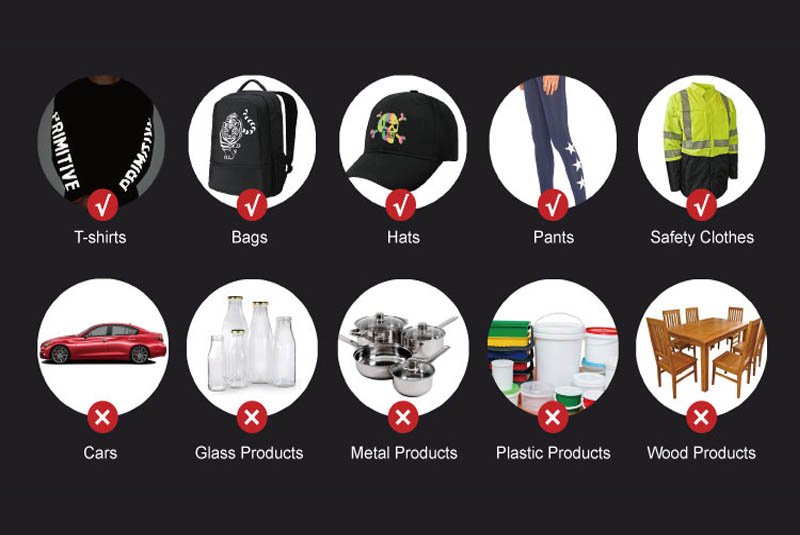
3. What to test before sign-off
Build a small application trial using production-intent fabric, thread, tape or film and the planned garment geometry. Record operator, machine or press identity, settings, sample revision and storage conditions. If the supplier proposes a substitute material, repeat the trial rather than carrying over an assumption.
- Check position, width, continuity, corners, intersections and edge finish.
- Open and close nearby closures and move the panel through its intended range.
- Review puckering, needle damage, bubbles, lifting, cracking or adhesive transfer.
- Run the agreed care or durability evaluation with the responsible reviewer.
- Keep material evidence and finished-garment evidence linked to the same product and revision.
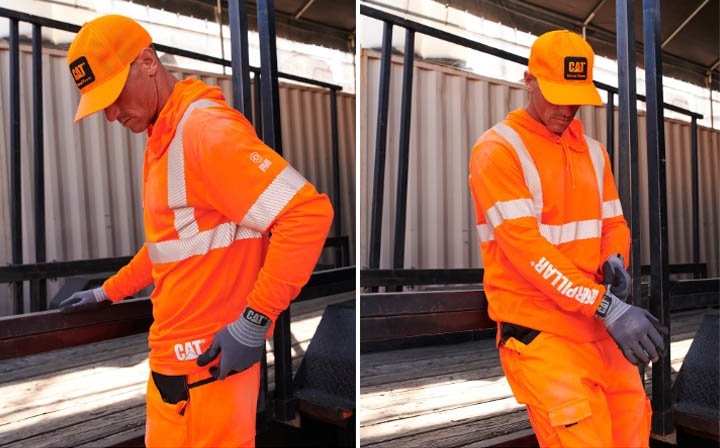
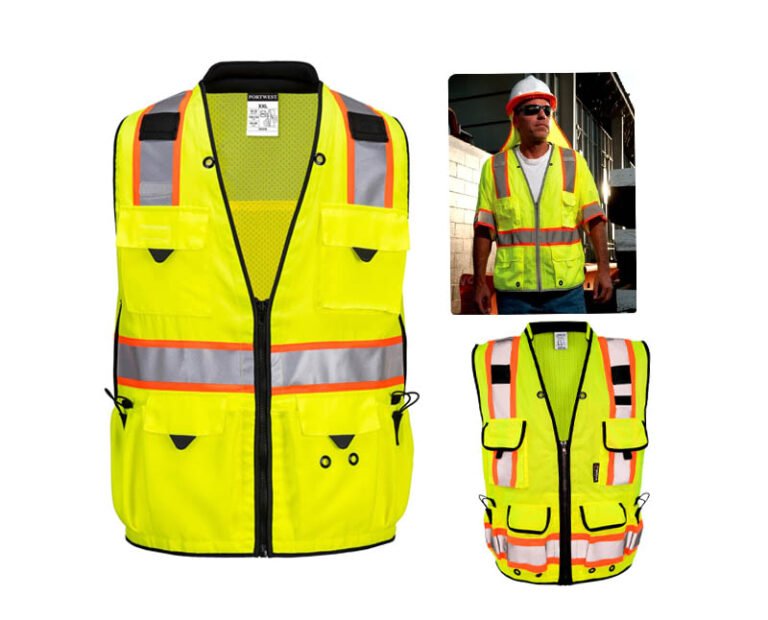
CCOHS distinguishes fluorescent from retroreflective material and advises buyers to consider the material and the complete garment design. Use that principle when defining the evidence package: official guidance.
4. Cost and lead-time questions
Ask suppliers to separate tape or film price, sewing or pressing labor, setup, tooling, sample charges, rework and inspection. For sewing, confirm whether tape starts and ends, corners and reinforcement add operations. For heat transfer, confirm artwork, cutting, weeding, press setup, cooling and rework assumptions.
Compare the full production path rather than a trim price alone. A faster application can still create delay if the material needs a new press profile or if failed adhesion requires panel replacement. Record which party owns settings, training, maintenance and change approval.
5. Buyer approval checklist
| Checkpoint | Record before bulk approval |
|---|---|
| Identity | Material product code, width, color, revision and supplier |
| Compatibility | Production fabric, finish, stretch, coating and panel location |
| Method | Sewing or press process, equipment, settings and operator |
| Visual result | Placement, alignment, edge finish, logo and nearby closures |
| Care and durability | Agreed evaluation, instructions, result and open actions |
| Change control | Who approves substitutions, setting changes or revised suppliers |
Need a Tape or Film Application Trial?
Send the garment type, fabric, tape width, layout drawing, care process and target market with your request. Ask for both the proposed material evidence and a production-intent application sample.
Discuss an Application SampleFAQ
Can heat-transfer tape replace sewing on every garment?
No. Compatibility depends on the substrate, geometry, equipment and required validation. Treat it as a controlled application decision.
Is sew-on tape always more durable?
Do not assume that from the attachment method alone. Review the tape, stitch construction, fabric, care process and agreed evidence.
What should change trigger a new trial?
Any change to the material product, base fabric or finish, application settings, equipment or significant geometry should be assessed against the original approval.