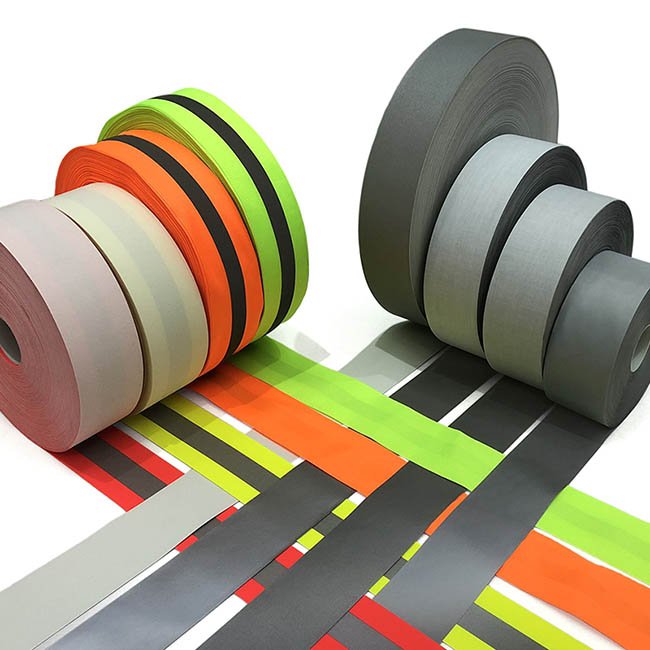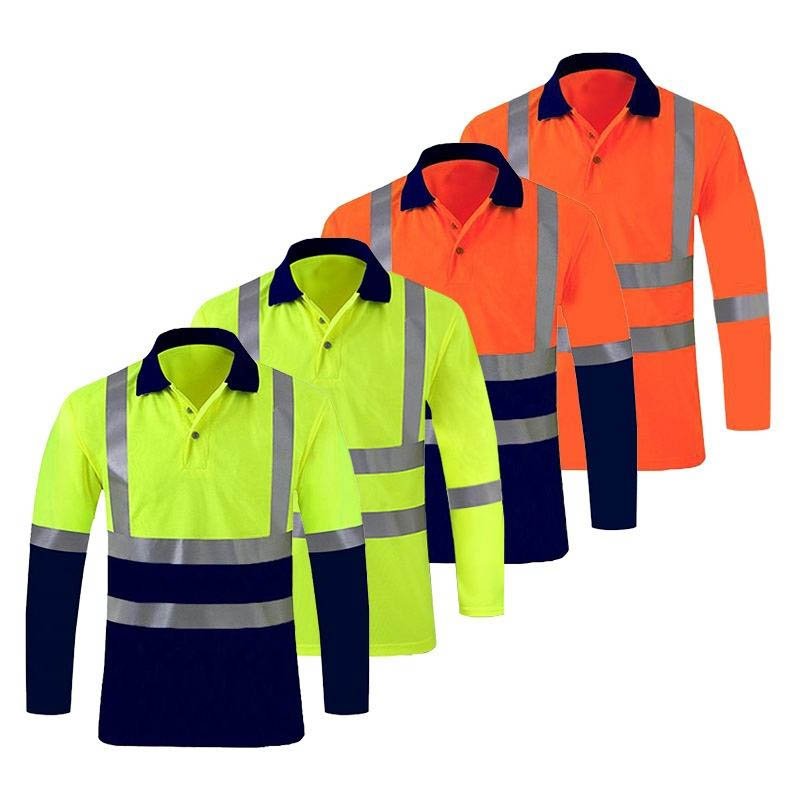
Silver reflective tape, 50 mm wide describes an appearance and a dimension. It is not yet a complete purchase specification. Buyers should define the garment, application method, destination market, care conditions, required evidence, and bulk approval process before comparing quotations.
Quick Answer: What Belongs in a Reflective Tape Specification?
At minimum, specify the end use, destination market, garment fabric, tape construction, width and tolerances, application method, care conditions, test evidence, and acceptance process. Ask each supplier to identify the exact product code and mark every requirement as confirmed, subject to testing, or unavailable.
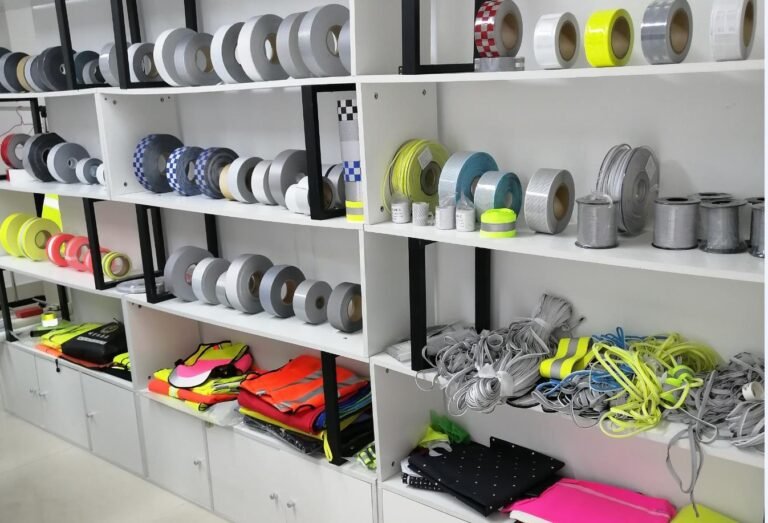
For available product families, review VizGlo’s reflective tape range for workwear. Use the range together with this checklist to prepare a comparable RFQ.
1. Start With the Garment, Not the Roll
Describe what you are making: a mesh vest, woven work jacket, stretch polo, rainwear shell, or another product. Then identify the country of use, workplace exposure, and intended care process. If an EHS team, tender, or customer already defines the specification, attach that document rather than paraphrasing it.
Keep material evidence and garment approval separate. A material report alone should not be treated as the finished garment release decision. Confirm project-specific requirements with the responsible safety or compliance team.
2. Use a Shared Specification Sheet
| Field | Buyer should specify | Supplier should provide |
|---|---|---|
| End use | Garment type, work task, destination market | Recommended product code and limitations |
| Construction | Width, color, backing, sew-on or heat-transfer | Technical data sheet and application guidance |
| Garment fabric | Shell, knit, stretch, coating, seams | Compatibility notes and sample recommendation |
| Care | Wash process, drying, expected service conditions | Care guidance and test method used |
| Quality release | Sample approval, batch records, packaging | Lot identification and inspection documents |
3. Confirm Fabric and Application
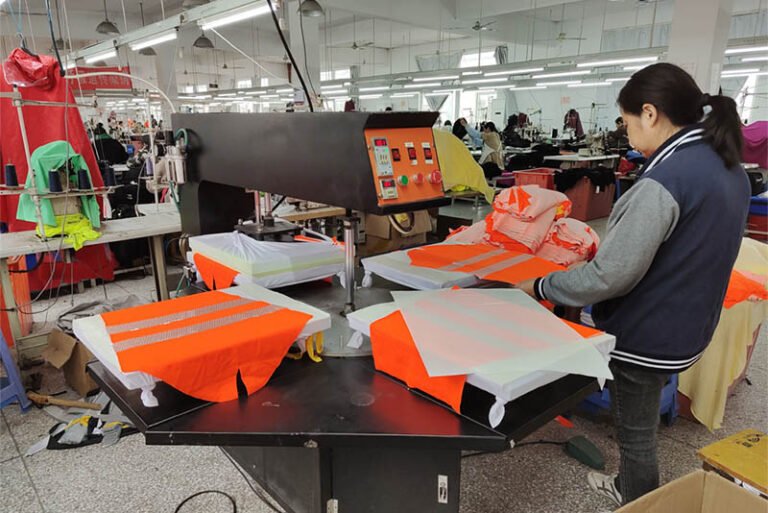
Ask how the tape will be attached to the actual fabric. Sew-on tape and heat-transfer materials follow different production controls. For heat transfer, confirm the supplier’s instructions for equipment, temperature, pressure, dwell time, cooling, and storage. Treat these as starting points for a controlled sample test, not universal settings.
Test the actual construction, including curves, seams, stretch zones, coatings, and the intended care process. Record the material code, fabric lot, application settings, operator, and result.
4. Review Test Evidence
Request documents that identify the exact product and test scope. Check the report date, sample description, method, laboratory, result, and limitations. Do not treat a catalog image, generic certificate, or a test on a different construction as evidence for your finished garment.
5. Approve Samples Before Bulk Supply
- Freeze the garment drawing, tape product code, placement, dimensions, and care label.
- Approve a physical sample made with production-intent fabric and application.
- Record open issues and sign-off owners.
- Require written approval for substitutions or process changes.
- Retain a reference sample and batch traceability record.
6. Copy This RFQ Template
Garment and end use:
Destination market:
Fabric and construction:
Reflective material product code:
Width, color, backing:
Application method and equipment:
Care process:
Required documents and tests:
Sample quantity and approval owner:
Target order quantity and delivery point:
When to Pause an Order
Pause approval when the supplier cannot identify the exact material, the sample differs from the approved construction, test evidence does not match the product code, care instructions are missing, or a proposed substitution has not been reviewed. Resolve the gap before treating the quotation as comparable.
Buyer FAQ
Is a 50 mm tape automatically suitable for safety apparel? No. Width alone does not establish suitability. The finished garment, placement, material construction, market requirements, and supporting evidence must be reviewed together.
Can I use one test report for every garment? Only when the report’s scope and construction match the intended use. Otherwise, confirm what additional testing or approval is required.
What should I send with an RFQ? Send the garment drawing, fabric details, placement, care process, destination market, required documents, quantity, and approval timeline.
This guide is a procurement framework. It is not legal advice, a quoted standard clause, a test result, or a guarantee of conformity. Confirm project-specific requirements with the responsible safety/compliance team and the supplier’s product documentation.