Production Readiness / Hi-Vis Workwear
Hi-Vis Workwear Pre-Production Sample Approval: A Buyer’s Sign-Off Guide
A pre-production sample (PPS) becomes useful when it represents the exact materials, construction, branding and packing planned for the order. This sign-off guide helps buyers close open development points and create a traceable production reference.
For workwear brands, PPE distributors, importers and quality teams
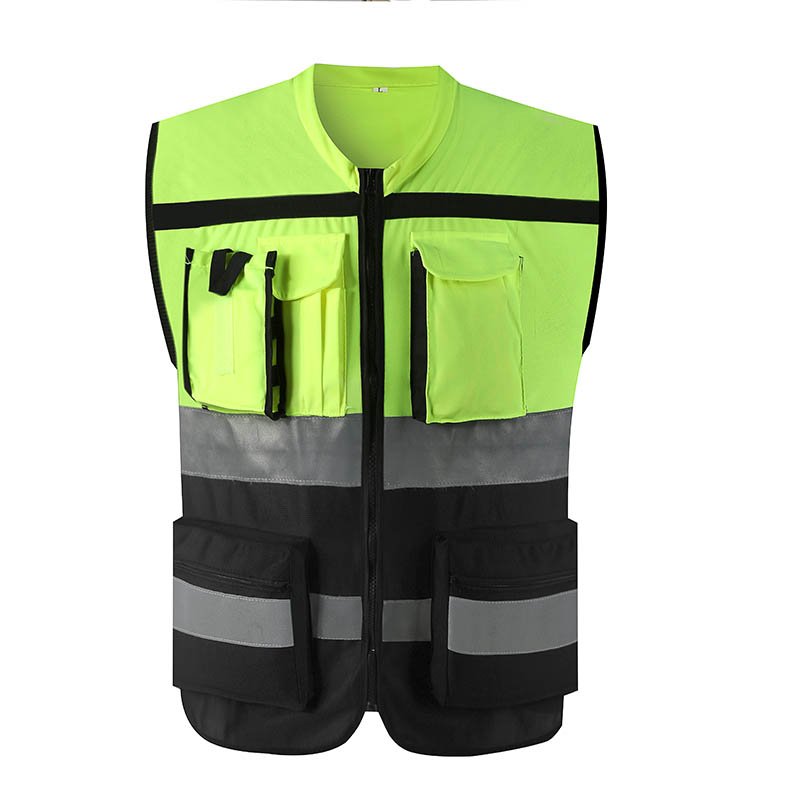
Quick rule: approve a PPS only against a frozen specification revision, with deviations listed and owners assigned. If a component is temporary or a required document is pending, record the limited purpose of approval and keep bulk release on hold until the condition is closed.
1. Separate development samples from the PPS
A fit or sales sample may answer a narrow question such as silhouette, pocket access or logo placement. A PPS should be built from production-intent fabric, reflective components, trims, labels, artwork and manufacturing methods. State which sample type you received; do not let a preliminary sample become the production standard by assumption.
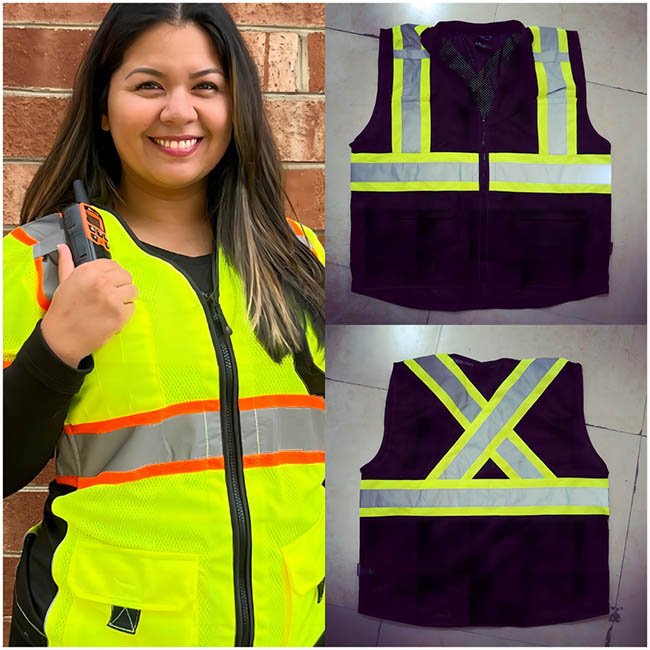
Give the PPS a unique code. Record style, color, size, date received, supplier, factory or production route, specification revision and reviewer. Photograph front, back, inside construction, labels, reflective details and packaging. Keep the images with the measurement and decision record.
2. Freeze the document set being approved
Collect the approved tech pack, bill of materials, measurement chart, graded size range, color reference, logo artwork, label artwork, packaging specification and any market-specific evidence required by your team. Each file should have a revision or date. If the supplier proposes an alternative, document the product code and obtain written approval before treating it as equivalent.
Use a single controlled folder or order record as the source of truth. Email statements such as “same as last time” do not identify which previous material, artwork or tolerance was intended.
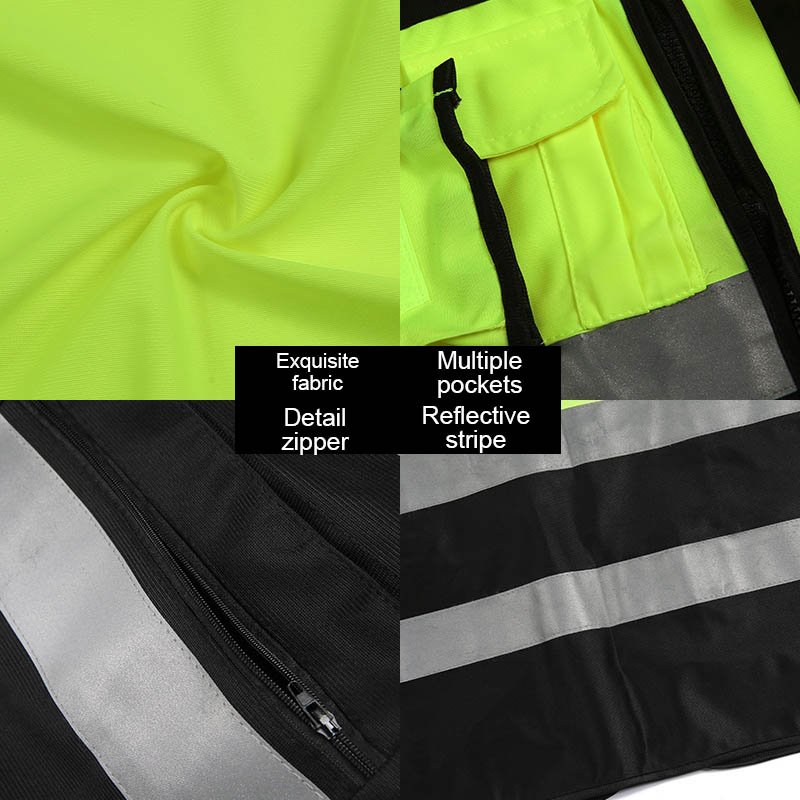
3. Review the sample by approval area
| Area | What to compare | Evidence to retain |
|---|---|---|
| Measurements and fit | Points of measure, agreed tolerances, layering, reach and movement | Measured results, size worn, reviewer and comments |
| Materials | Fabric identity, weight or composition if specified, shade, finish and reflective component code | Swatches, labels, product data and any open verification |
| Construction | Seams, stitch quality, reinforcement, closures, pockets and trim attachment | Photos with marked locations and corrective actions |
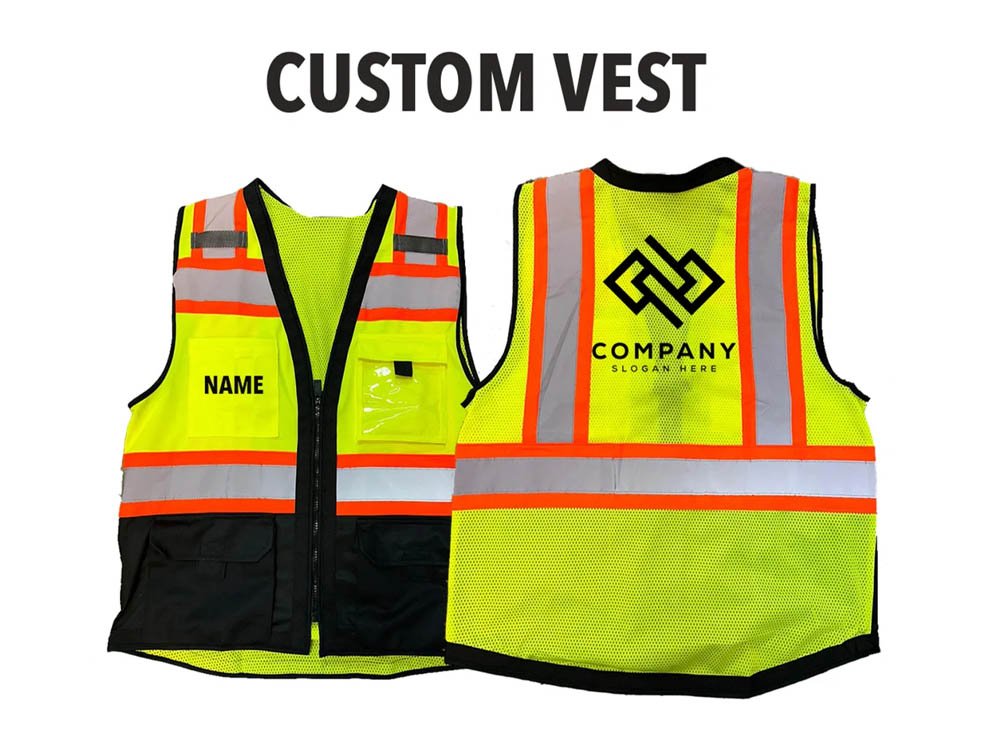
| Branding and labels | Artwork revision, dimensions, position, legibility and care information | Approved artwork and comparison photos |
| Packing | Fold, bag, barcode, size marking, carton and order identification | Pack-out sample, label proof and carton details |
Use project-specific tolerances rather than importing a generic tolerance into every style. For visibility-related claims, check the applicable market and product scope with the responsible reviewer. CCOHS explains that fluorescent and retroreflective materials perform different functions, and that both material and garment design matter: official guidance.
4. Record tests and evidence as separate gates
Visual review is not a substitute for a test or certificate your buyer, employer or market requires. Identify each required test, document, sample size and acceptance criterion before the PPS review. Record who reviewed it, what product or garment the evidence covers, and whether the evidence is current for the quoted construction.
If a wash, abrasion, colorfastness or reflective performance evaluation is still pending, list it as an open gate. Do not convert a conditional visual approval into production release without the named evidence and decision owner.
5. Use clear disposition language
| Decision | Meaning | Next action |
|---|---|---|
| Approved | Reviewed points match the controlled specification and required evidence is complete. | Release the identified revision as the production reference. |
| Approved with conditions | The sample answers a defined question, but named items remain open. | Assign owner and due date; keep unresolved release gates blocked. |
| Revise and resubmit | One or more corrections are needed before the reference can be accepted. | Return annotated comments and require a new sample revision. |
| Hold | Identity, scope or evidence is too incomplete for a meaningful decision. | Resolve the document or traceability gap before approval. |
Write comments by location and priority. “Fix the tape” is difficult to verify; “increase left-front band spacing to match drawing Rev C and resend photos” is actionable. Ask the supplier to respond to each line and identify which changes were incorporated.
6. Control changes after sign-off
Approval applies to the recorded version. A fabric substitution, trim change, artwork move, label revision, process change or new production site can affect the approved reference. Define who must notify whom, what evidence is needed and whether another PPS is required. Keep superseded samples marked so they cannot be mistaken for the current standard.
Move From PPS Approval to a Controlled Order
Send the signed sample record, controlled tech pack, size breakdown, open-action list and required evidence together. Confirm the order cannot proceed past any unresolved release gate.
Discuss a Workwear SampleFAQ
Can a PPS be approved with a temporary material?
It may be accepted for a limited development purpose, but clearly identify the temporary material and block any production release that depends on the final material.
Who should sign the PPS?
Assign sign-off to the people responsible for product, fit, quality and compliance evidence. A single signature should not silently cover specialist checks that were not completed.
Does PPS approval replace incoming inspection?
No. It establishes a production reference. Define separate receiving checks and acceptance criteria for the shipped order.