Top 5 Innovative Uses of Reflective Films in Fashion and Streetwear
From hidden graphics to viral social media moments—how reflective film technology is redefining modern fashion design
The Answer: Reflective Films as Design Innovation
Reflective films have undergone a remarkable transformation from purely functional safety materials into sophisticated design elements that enable fashion creators to craft “hidden” graphics revealed only under light, engineer viral social media moments through color-shifting effects, and tell compelling brand stories. Modern reflective film technologies—including printable heat-transfer options, customizable color patterns, and stretchable substrates—allow designers to merge the physics of retro-reflection with high-fashion aesthetics. This represents a fundamental shift in how the industry thinks about reflective materials: no longer bounded by compliance checklists and ANSI standards, but celebrated as a creative medium that blurs the line between visibility, storytelling, and artistic expression. The result is a new category of clothing where safety meets style, and where a simple photo under camera flash can transform an ordinary garment into a visual spectacle, driving engagement and brand loyalty in ways traditional prints cannot achieve.
Why Reflective Films Are Revolutionizing Fashion
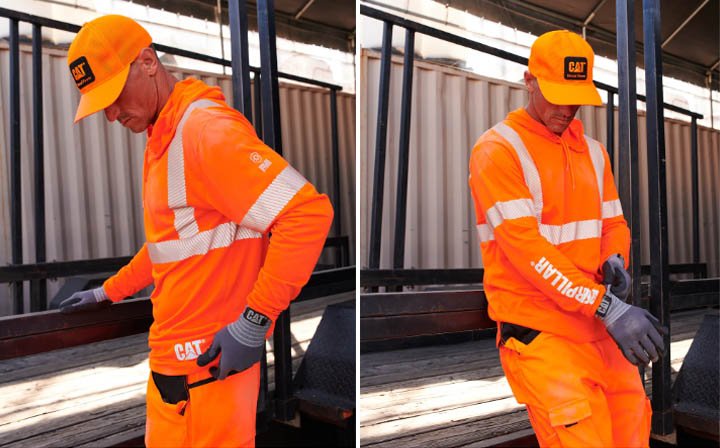
For decades, reflective materials lived in a narrow world: construction vests, traffic signs, and worker safety gear. Their purpose was singular—maximize visibility. But something shifted in recent years. Fashion designers and streetwear brands began asking a different question. Instead of “How visible is this?” they started asking “What does it look like when a camera flash hits it?” and “Can you give me a black reflective that explodes with rainbow colors under light?”
This mindset pivot has catalyzed an entire new ecosystem of reflective film innovation. What began as experimental collaborations between safety material suppliers and underground streetwear labels has evolved into a legitimate medium embraced by mainstream fashion houses. Today, reflective films are no longer just functional—they’re cultural artifacts that drive engagement and create unforgettable brand moments.

1. Hidden Graphics & Augmented Reality Integration
Imagine a t-shirt that looks completely ordinary in daylight—solid black, minimalist design. But under camera flash or nighttime conditions, an entirely different graphic materializes. This is the power of reflective film integration with AR technology.
Luxury streetwear brands are leveraging this to create dual-narrative apparel. A hoodie might feature an intricate reflective pattern that’s barely visible during the day, but under a phone’s camera flash, it reveals a hidden message, brand story, or collectible digital asset that can be scanned and linked to NFTs or exclusive content. This “reveal” mechanism has become a cornerstone of experiential marketing—consumers actively hunt for photo opportunities that showcase the reflective transformation, naturally generating organic social media content.
The technology relies on precision heat transfer reflective films combined with intelligent design. By controlling the placement and density of reflective elements, designers create optical illusions that shift depending on lighting angle and camera settings. This opens possibilities for limited-edition drops where the full design is only visible under specific conditions—a scarcity mechanism built into the material itself.
2. Color-Shifting & Rainbow Reflective Streetwear
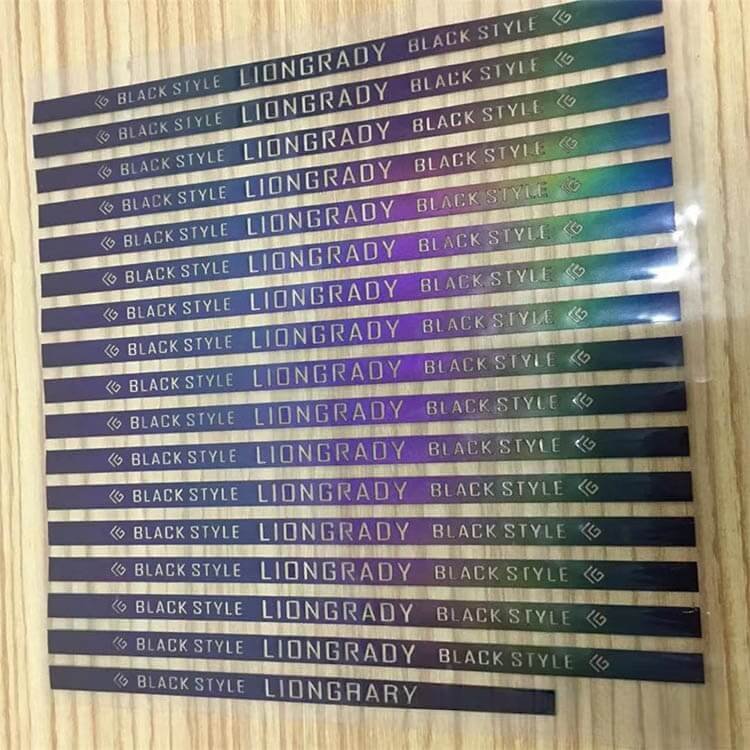
Perhaps the most visually stunning application of modern reflective films is color-shifting technology. These aren’t ordinary reflective materials—they’re engineered to refract light in a way that produces iridescent, rainbow-like effects that seem to flow and change depending on viewing angle.
High-end streetwear brands and independent designers have embraced this phenomenon, using iridescent and color-shifting materials in signature pieces that serve as instant brand identifiers. A jacket featuring reflective rainbow sleeves, for instance, becomes instantly recognizable—both from the intricate design visible in daylight and the spectacular light-diffraction show it produces at night or under flash photography.
The psychological impact is substantial. Consumers feel they’ve discovered something almost magical when they see these effects in person or in photos. This creates a powerful word-of-mouth loop and incentivizes users to photograph and share the garment, effectively turning each piece into a mobile billboard that amplifies brand presence through authentic peer recommendations.

3. Custom Brand Logos with Premium Finishes
In the competitive landscape of contemporary fashion, differentiation is everything. Reflective films offer a unique opportunity: they allow brands to elevate their logos beyond traditional screen printing or embroidery into something genuinely memorable and interactive.
Custom reflective logos can be engineered in virtually any configuration—metallic silver, vibrant multi-color, segmented patterns that create optical shimmer effects, or even heat-press-applied designs that feel soft to the touch. A high-fashion brand might use a premium metallic reflective for their logo placement, signaling quality and exclusivity. A streetwear label might opt for bold color-shifting variants that scream youthful energy and innovation.
What makes this particularly powerful is the perceived value consumers attach to reflective branding. The material inherently communicates “this is special, this is engineered, this is thoughtfully designed.” When a brand invests in custom reflective logo placement, they’re essentially encoding a quality signal into the garment itself.
According to industry research on evolving luxury consumer behavior, premium placements and material innovation rank highly in purchase decisions. Reflective logos effectively communicate both luxury and innovation—a powerful combination.
4. High-Fashion Statement Pieces & Runway Innovation
The intersection of high fashion and reflective materials has created a new aesthetic paradigm—one that challenges conventional definitions of elegance and sophistication. Forward-thinking designers are incorporating reflective elements into conceptual runway collections that blur the line between avant-garde art and wearable fashion.
These aren’t subtle touches. We’re talking about jackets where the entire silhouette becomes outlined in reflective piping, creating an exoskeletal effect. Gowns featuring reflective fabric panels that transform under lighting rigs. Statement pieces that essentially become light sculptures—garments that fundamentally change appearance depending on environmental conditions.
The genius of this approach is that it plays perfectly into contemporary fashion’s dialogue around sustainability and material innovation. A piece with reflective elements is inherently more photogenic—it photographs spectacularly under press photography, garnering exponentially more social media reach per show compared to traditional designs. This translates to real commercial value: better press coverage, more influential social sharing, and stronger brand positioning.
Fashion brands like progressive design houses have started featuring reflective elements in capsule collections, signaling that this is no longer a niche experimentation but an emerging mainstream trend.
5. Performance Wear & Athleisure Fusion
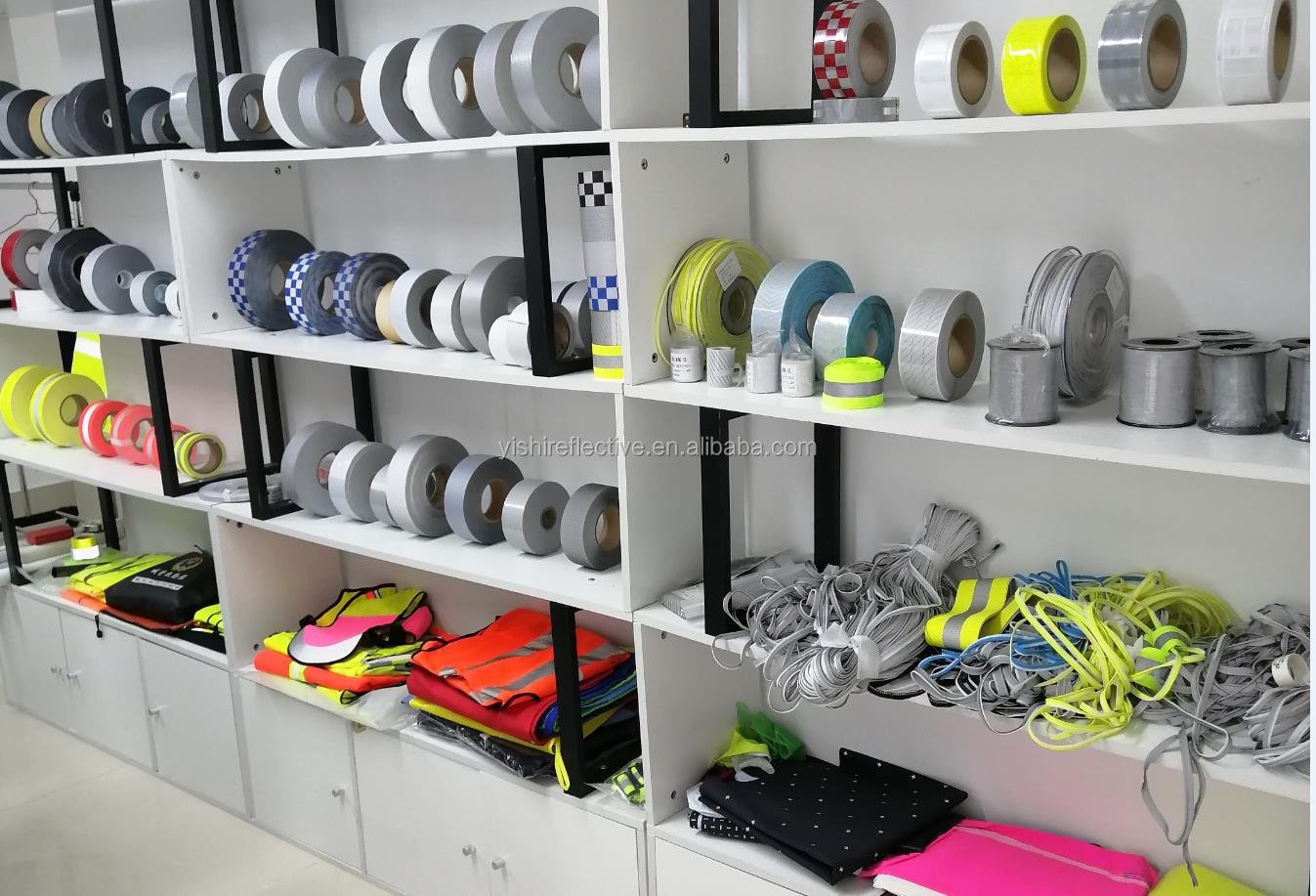
The athleisure market—clothing designed for both athletic performance and everyday wear—has embraced reflective films as a functional luxury feature. Unlike traditional high-visibility safety wear, performance-oriented reflective films are engineered for stretch, moisture-wicking, and durability.
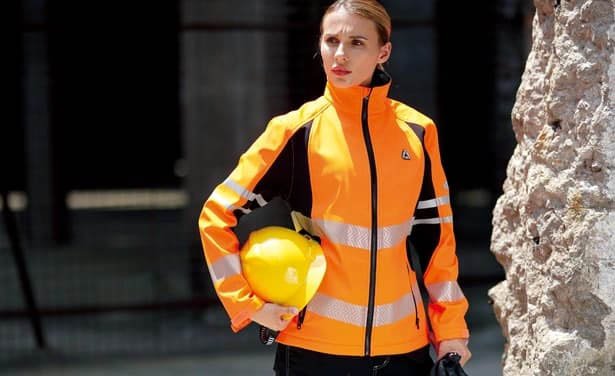
This creates a unique value proposition: a jogger or running jacket that provides genuine safety visibility for evening runners (addressing a real pain point) while looking like premium streetwear. The reflective elements become design features rather than safety afterthoughts—think strategic reflective side panels, ankle cuffs, or back graphics that enhance both aesthetics and functionality.
Major sportswear brands recognized early on that reflective technology could solve a practical problem while creating desirable products. For urban commuters, cyclists, and runners, reflective performance wear became genuinely essential—solving visibility concerns without sacrificing style or performance metrics.
The innovation doesn’t stop at static reflective films. Some cutting-edge brands are experimenting with 4-way stretch reflective fabrics that maintain visibility properties while accommodating dynamic movement. These materials represent the frontier of reflective technology—combining safety, performance, and style into a truly integrated product experience.
Key Insights: The Industry Transformation
- • Perception Shift: Reflective materials have evolved from “safety necessity” to “design luxury” in less than five years.
- • Social Media Amplification: Reflective designs are inherently more photogenic, driving organic social sharing and brand visibility.
-
•
Technology Accessibility: Advances in heat-transfer and printable reflective films have democr
atized innovation, allowing even small brands to create premium products. - • Narrative Integration: Brands are weaving reflective elements into their storytelling, creating multi-sensory brand experiences.
Ready to Integrate Reflective Innovation Into Your Brand?
VizGlo Safety specializes in custom reflective film solutions for fashion and streetwear brands. Whether you’re designing hidden graphics, creating color-shifting masterpieces, or engineering premium brand logos, our team has the technical expertise and material innovation to bring your vision to life.
Request a Custom QuoteSpeak with our design specialists about OEM/ODM reflective film solutions tailored to your specifications.
Explore Our Reflective Material Expertise
The applications we’ve explored here represent just the beginning of what’s possible with modern reflective materials. To understand the full spectrum of industrial reflective film solutions available—from printable options to stretchable substrates—visit our comprehensive reflective materials center page.
We also offer specialized expertise in advanced material applications that push the boundaries of what’s technically achievable, ensuring your designs remain at the forefront of innovation.
Frequently Asked Questions
What makes reflective films suitable for high-fashion applications? ↓
Modern reflective films offer unprecedented aesthetic flexibility. Unlike traditional safety materials, contemporary options are available in printable formats, custom colors, stretchable substrates, and color-shifting variants. They can be integrated into designs that look sophisticated and intentional in everyday light while creating spectacular visual effects under flash or darkness. This dual nature—functional visibility + visual transformation—is what elevates them from safety necessities to legitimate design elements.
How durable are reflective films on garments? ↓
Premium heat-transfer reflective films designed for apparel withstand 30+ wash cycles before showing noticeable degradation. This makes them suitable for everything from premium streetwear pieces to everyday performance wear. The longevity depends largely on material quality and application technique—VizGlo’s industrial-grade films maintain their reflective properties and visual appeal through extended use, ensuring your investment in reflective design delivers lasting value.
Can reflective films be applied to both synthetic and natural fabrics? ↓
Yes, though application methods may vary. Heat-transfer reflective films work exceptionally well on polyester and poly-blend fabrics, which are standard in contemporary fashion. For cotton and natural fibers, specialized adhesive or stitched webbing options work better. The key is selecting the right reflective material variant for your substrate. Our specialists can recommend optimal solutions based on your specific fabric composition and design requirements.
How do color-shifting reflective films create their iridescent effect? ↓
Color-shifting films use specialized microprism or optical coating technologies that refract light at different wavelengths depending on viewing angle and incident light direction. This creates the characteristic rainbow or iridescent appearance—the same technology used in holographic security features on credit cards, but optimized for fashion applications. The effect intensifies under direct light (flash photography, spotlight) while remaining visible even in ambient conditions.
What’s the minimum order quantity for custom reflective film applications? ↓
VizGlo accommodates both small experimental batches and large-scale production runs. For custom reflective films and heat-transfer applications, we typically work with brands on projects starting from sample quantities for design validation through multi-thousand-unit productions. Contact our team to discuss your specific project scale and timeline—we can create a customized production plan that matches your business needs.
Transform Your Design Vision Into Reality
Whether you’re a fashion designer exploring reflective possibilities, a brand looking to innovate your product line, or a distributor seeking differentiated materials—VizGlo Safety is your partner for custom reflective film solutions that perform and inspire.
Get Started with Your Custom Project