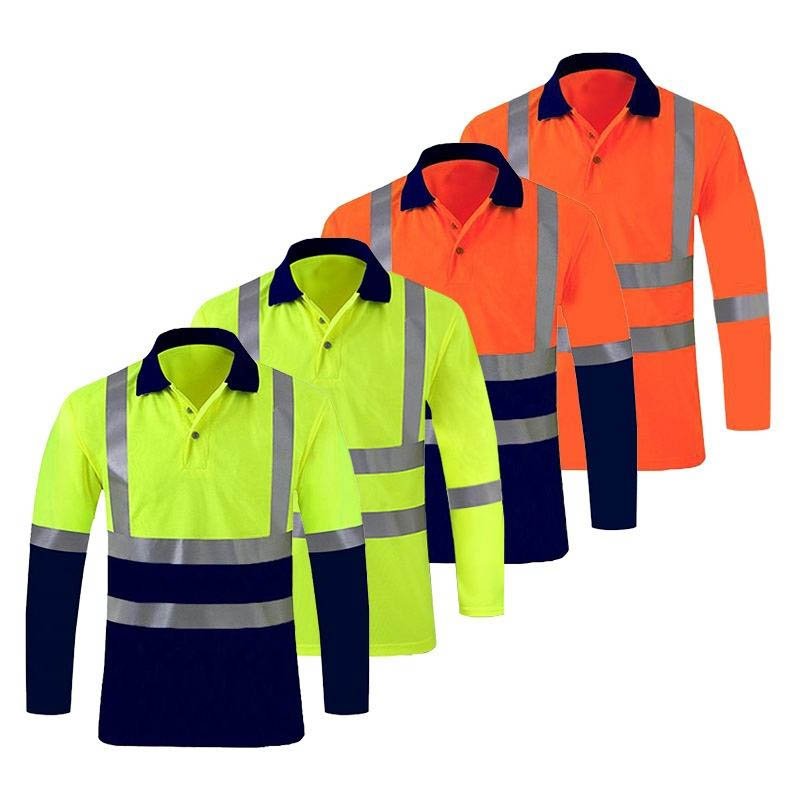
A bulk rainwear order has to arrive before bad weather, fit over the clothing workers actually wear, and support the performance claims written into the purchase order. Buying only by color, unit price and a generic size ratio can leave a team with stock it cannot use.

1. Map exposure before choosing a style
List where the garment will be worn, how long workers remain outdoors, the amount of movement, and the equipment worn with it. An occasional walk across a yard creates a different purchasing brief from a full shift in exposed conditions. Describe the exposure rather than assigning every employee the same raincoat by job title.
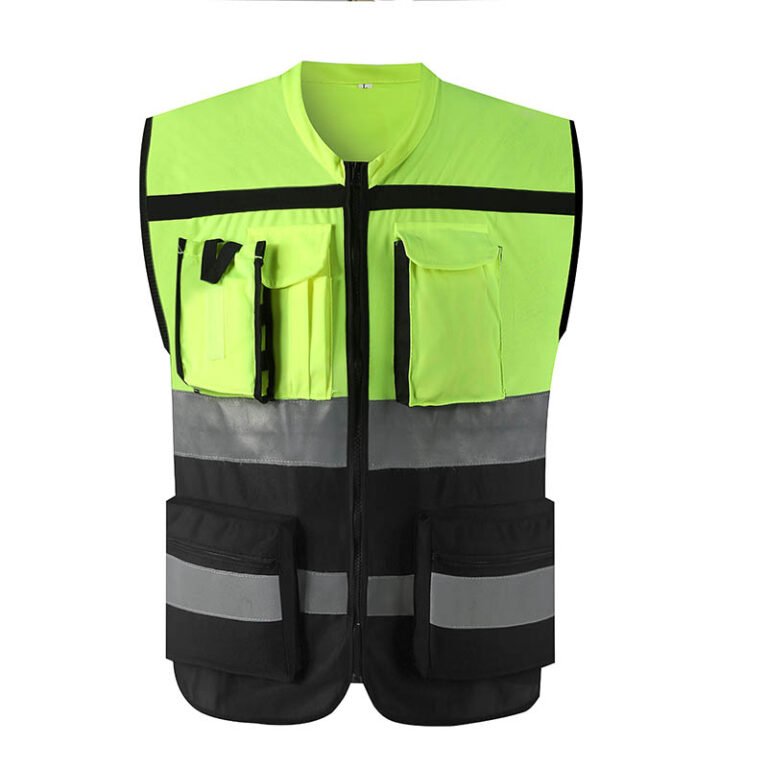
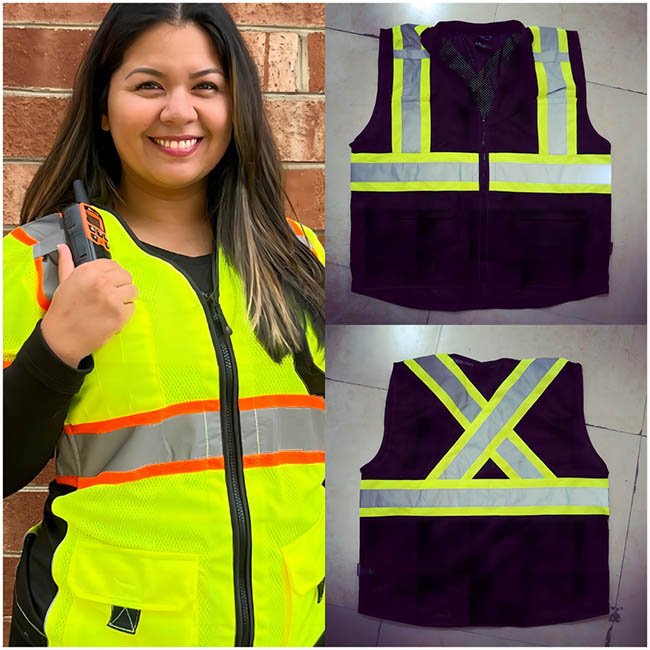
Ask the responsible safety reviewer to define the applicable visibility requirements. The CCOHS guidance on high-visibility apparel highlights the importance of work conditions, weather, fit and compatibility with other clothing or equipment. A fluorescent appearance alone does not demonstrate that a garment meets a particular market requirement.
2. Separate fabric data from garment performance
Request the model specification, fabric construction, seam treatment, closure design and care instructions. If the quotation includes a waterproof or breathability value, ask for the test method, conditions, units, report and scope. Check whether the evidence covers a fabric sample or a finished garment. Do not compare values generated by different methods as though they were interchangeable.
Inspect likely entry points in the sample: front opening, hood adjustment, cuffs, pockets and seams. Record how each is designed and what remains to be validated. Avoid substituting an informal spray demonstration for a required laboratory or garment evaluation.

3. Run a fit review with the actual underlayers
Collect sizes using an agreed measurement guide and a sample set. Test reach, bending, sitting and fastening while wearing the intended base clothing. Include gloves, helmets or other equipment where relevant to the work. Check whether the hood and collar interfere with normal head movement or required equipment.
Do not simply order one size larger for everyone. A size label does not establish usable layering space. Record garment measurements and wearer feedback, then approve the style and size mapping. Keep a separate allowance for new hires and exchanges so contingency stock does not distort the initial issue quantities.
4. Build the quantity sheet by location and size
| Order input | Record | Planning check |
|---|---|---|
| Initial issue | Eligible wearers × approved issue quantity | Separate coats, trousers and sets where needed. |
| Size split | Confirmed wearer sizes by location | Resolve missing sizes before production. |
| Replacement demand | Historical issues, damage and changes in staffing | Use your own records, not a universal replacement percentage. |
| Buffer | Named allowance for exchanges, new hires and lead-time uncertainty | Keep an owner and review date for the allowance. |
| Usable stock | On-hand stock that remains suitable and available | Exclude reserved, damaged or obsolete items. |
As a planning identity, net order need equals planned issues plus expected replacements and buffer, less usable stock and confirmed incoming supply. Reconcile the result at SKU and size level. An excess of small sizes cannot cover a shortage of large sizes.

5. Work backward from the issue date
Ask the supplier for dated milestones covering specification approval, sample review, material availability, production, inspection and dispatch. Add the transport and receiving activities controlled by your own logistics team. Record whether each date is confirmed or only provisional.
Where a weather season or project start is fixed, identify the last responsible approval date. If that date slips, request an updated delivery plan immediately. Split shipments can help in some programs, but evaluate added transport cost, size completeness and the risk of receiving incomplete sets before agreeing.
6. Agree replenishment rules before the first delivery
Define the reorder trigger for each core SKU using expected demand during replenishment lead time and a justified safety-stock allowance. Review the inputs when staff numbers, issue policy or supplier lead time changes. Track stockouts and unused inventory together: either can indicate a poor size mix.
Ask whether repeat orders will use the same fabric, trims, color reference, labels and packaging. Require notification of substitutions. A reorder should point to the current approved specification, not just the previous invoice number.
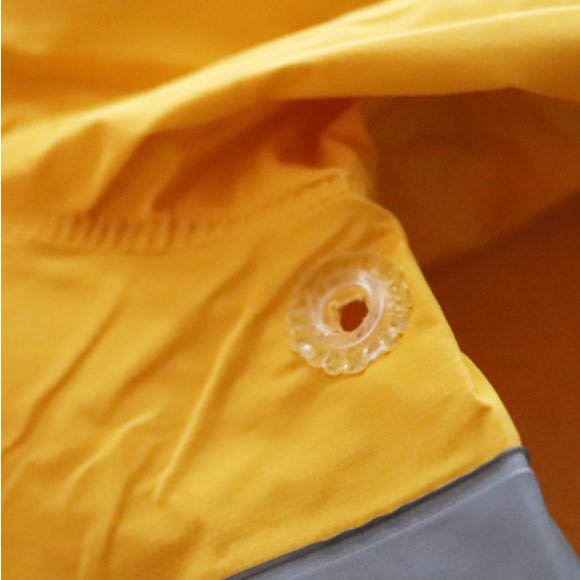
Receiving and issue checklist
Before distributing the order, reconcile cartons and SKU quantities, check size markings against the packing list, inspect a defined sample against the approved garment, and separate discrepancies. Keep the product documents and care information accessible to the team that issues clothing. Define how workers report damage and how replacement decisions are made.
Frequently asked questions
Should every location receive the same size ratio?
No. Use local wearer data where available. A shared ratio is a provisional planning assumption that should be checked before committing the order.
Is a waterproof fabric report enough to approve a raincoat?
It can support the fabric review, but does not by itself settle questions about seams, closures, fit or the finished garment claim.
How much spare stock should we hold?
Base the allowance on demand variability, exchange history, replenishment time and service expectations. There is no single percentage suitable for every team.
Build Your Rainwear Order Brief
Explore hi-vis rainwear options, then share the task description, size breakdown, required evidence and delivery milestones through our procurement contact page.