5 Critical Questions to Ask Your Reflective Films Supplier Before Placing a Wholesale Order
A comprehensive vendor vetting framework to protect your business and ensure quality
From years on the front lines of the reflective materials trade, I can tell you this: the price on the initial quote is rarely the final cost. I’ve seen countless businesses lured by a low per-meter price, only to face devastating losses from product recalls, failed certifications, and a damaged reputation. The cheapest film often becomes the most expensive mistake. These five questions aren’t just a checklist; they are your primary risk-management tool. They help you separate the simple traders from the true manufacturing partners—those who understand the critical nuances of global standards like EN 20471 or ANSI 107, and who can guarantee the performance and batch-to-batch consistency your brand depends on.
Think of this not as buying a roll of film, but as securing a critical link in your safety supply chain. Choosing the right supplier is choosing to protect your business.
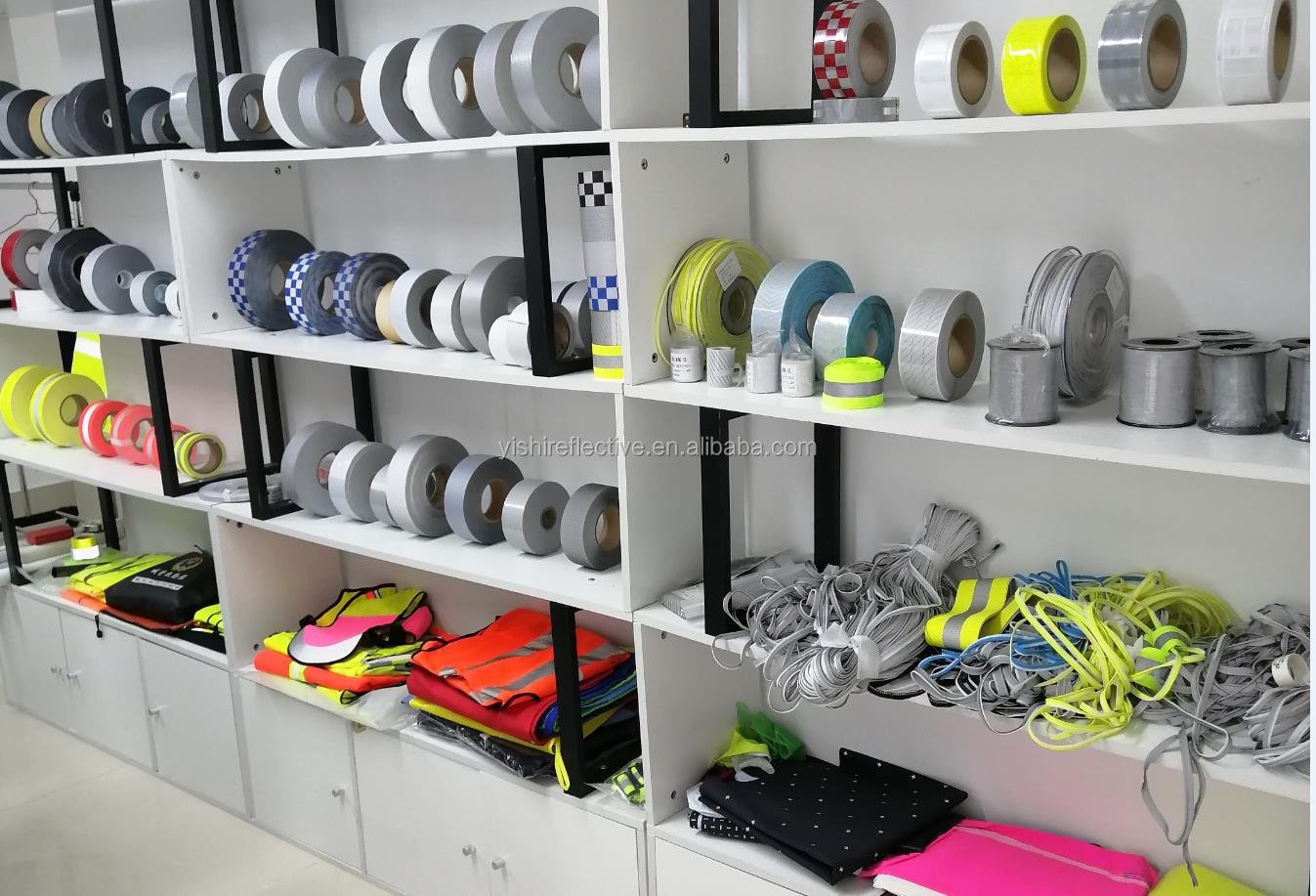
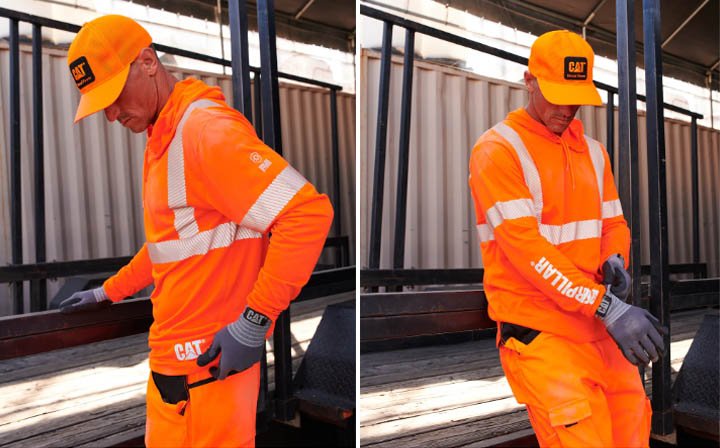
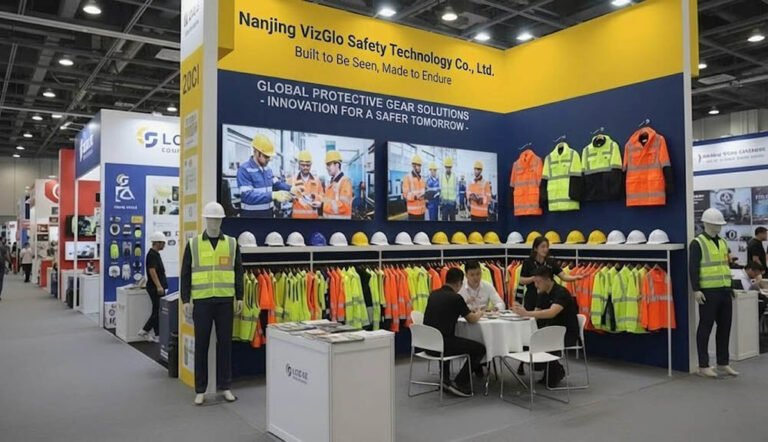
High-quality reflective heat transfer films are essential for durability and safety compliance across industries.
Question #1: Do You Manufacture or Simply Resell?
This is the foundational question. A true reflective films manufacturer owns production facilities, controls raw material sourcing, and maintains quality checkpoints at every stage. A reseller, by contrast, is simply a middleman—they source finished products, slap on their own label, and pass the risk to you.
Why it matters: When problems arise—whether it’s a batch that fails adhesion testing or materials that don’t meet EN ISO 20471 standards—a manufacturer can investigate the root cause and implement corrective actions. A reseller can only point fingers at their own supplier. Moreover, manufacturers have invested capital in testing labs, quality systems, and continuous improvement. They have “skin in the game.”
💡 Pro Tip:
Ask for: “Can you provide documentation of your manufacturing facility, ISO certifications, and test lab capabilities?” A genuine manufacturer will eagerly share this information.

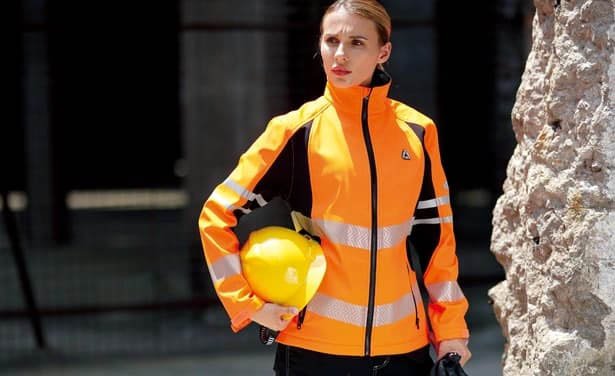
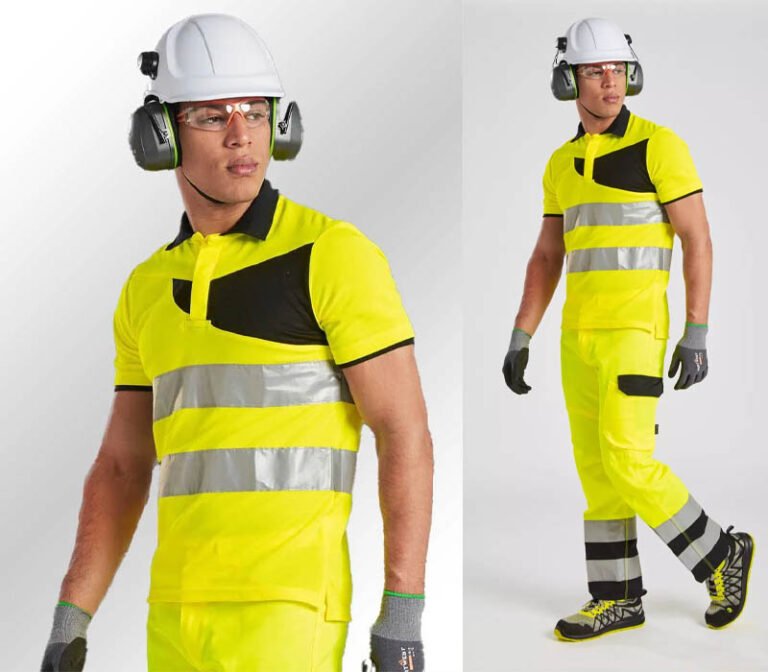
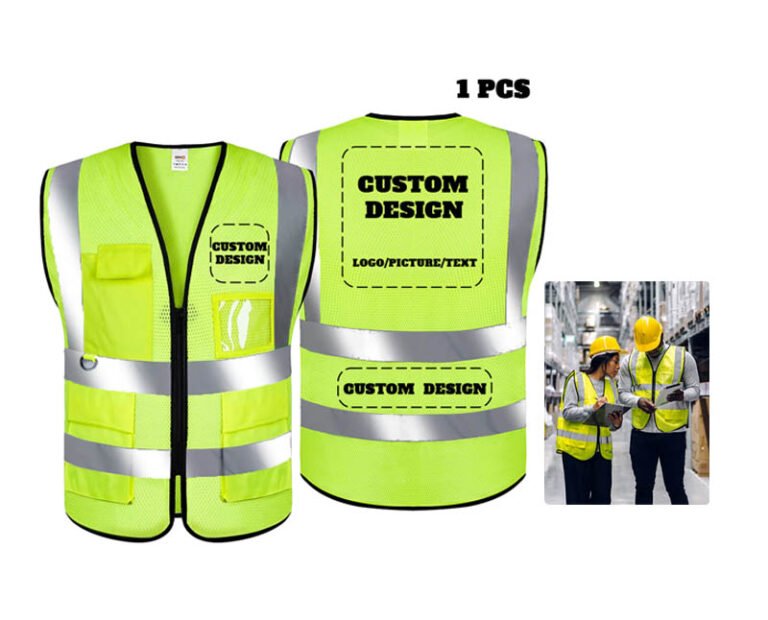
Manufacturers with in-house facilities can produce custom reflective logos and patterns with precise control over quality.
Question #2: What Global Safety Certifications and Testing Capabilities Do You Possess?
Your wholesale order is only as compliant as your supplier’s certifications. Different markets enforce different standards: Europe demands EN ISO 20471, North America relies on ANSI/ISEA 107, and Australia uses AS/NZS 1906.4. A supplier who claims to serve “all markets” but holds only European certifications is a red flag.
Critical certifications to verify:
- EN ISO 20471 – High-visibility clothing for European markets
- ANSI/ISEA 107 – High-visibility safety apparel for North American markets
- ISO 9001 – Quality management system (evidence of process discipline)
- OEKO-TEX STANDARD 100 – Proof of eco-friendly, non-toxic production
- BSCI Certification – Worker safety and ethical manufacturing practices
Beyond certifications, ask about their in-house testing labs. Can they measure reflectance brightness, adhesion strength, wash durability, and flame resistance? Reputable manufacturers invest in ISO-accredited testing facilities to verify every batch before shipment.
Question #3: How Do You Ensure Batch-to-Batch Consistency and Quality Control?
Consistency is non-negotiable when you’re producing thousands of units for wholesale. Imagine receiving Batch A with 500cd/m² reflectance brightness, then Batch B drops to 420cd/m²—your product suddenly fails certification, and you’re liable. This is not theoretical; it’s a common nightmare story in the supply chain.
A professional supplier implements a rigorous quality control regime:
Incoming Quality Control (IQC)
Raw materials are tested upon receipt to ensure they meet specifications.
Process Quality Control (PQC)
Production staff conduct random sampling during manufacturing to catch issues early.
Final Quality Control (FQC)
Every batch is 100% inspected and tested before packing and shipment. Full traceability records are maintained.
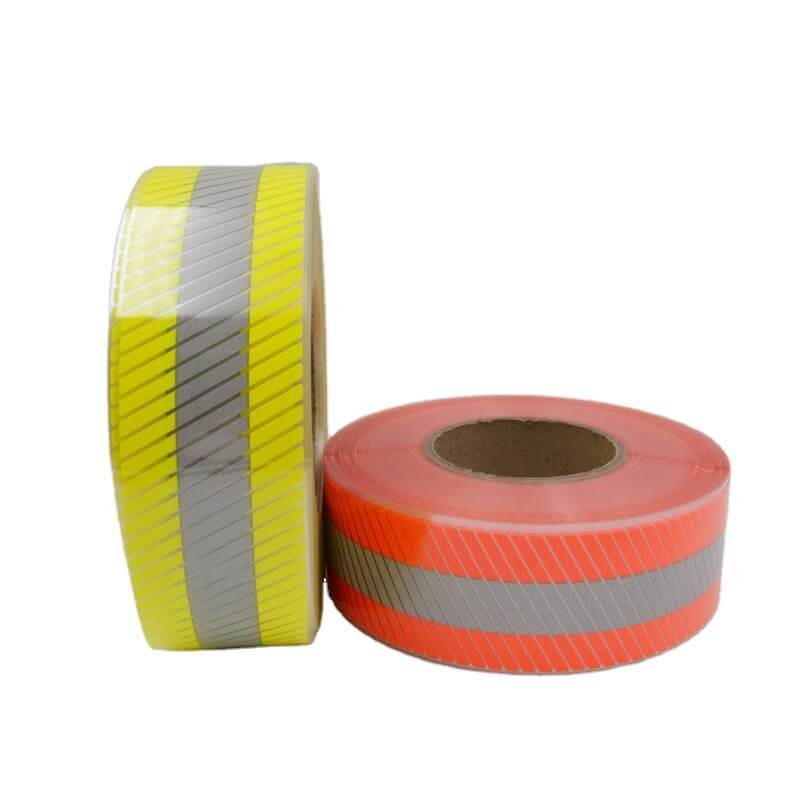
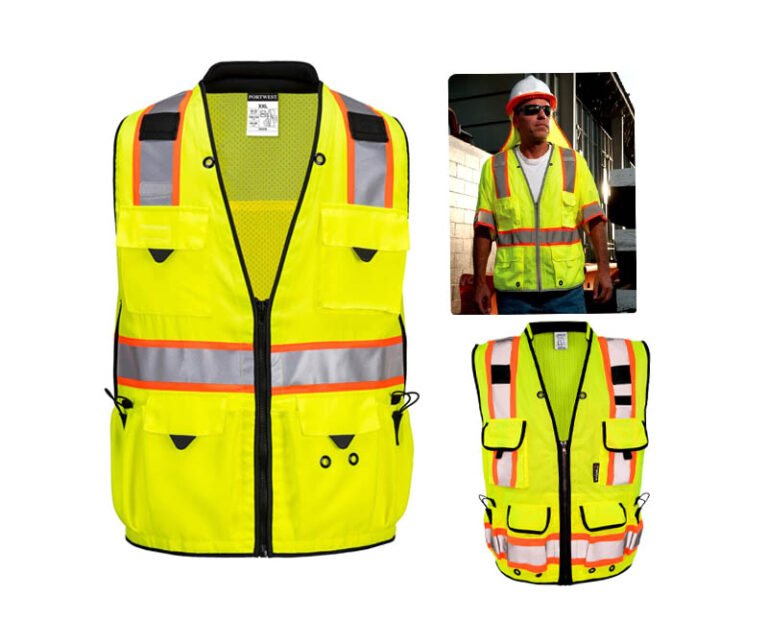
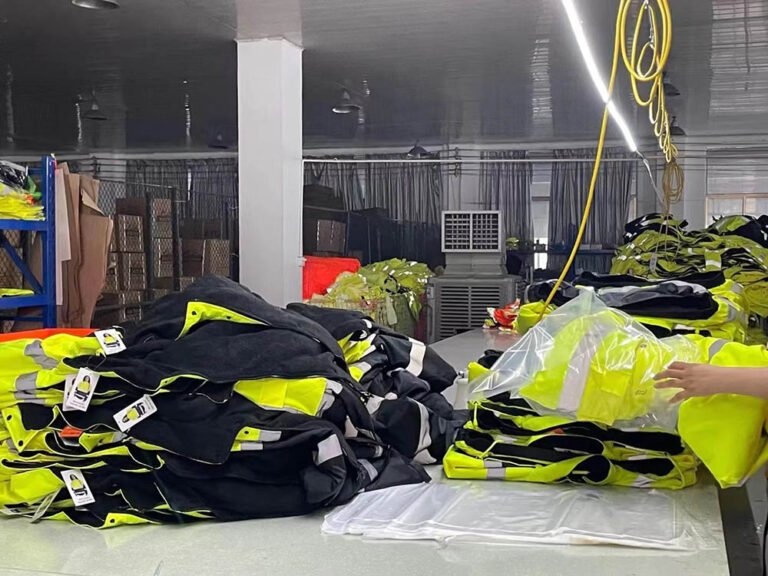
State-of-the-art production facilities with integrated quality control checkpoints ensure consistent batch performance.
Question #4: What Are Your Lead Times, Minimum Order Quantities, and Payment Terms?
A supplier’s operational flexibility tells you a lot about their scale and stability. Suppliers with bloated lead times (3+ months) often indicate production bottlenecks or overseas manufacturing complications. Conversely, unrealistic lead times (5 days for a custom order) suggest they’re not actually manufacturing—they’re scrambling to source from third parties.
Key metrics to understand:
- Standard lead time: Typically 15-30 days for industrial reflective films from a capable manufacturer
- Minimum Order Quantity (MOQ): Reasonable MOQs are 500-1000 meters; unreasonably high MOQs lock you into excessive inventory
- Payment terms: Net 30-60 is standard; cash-only demands suggest financial instability
- Flexibility for rush orders: Can they accelerate production for a 20-30% premium? Real manufacturers can.
Question #5: Do You Have Proven Experience with My Specific Application and Market Standards?
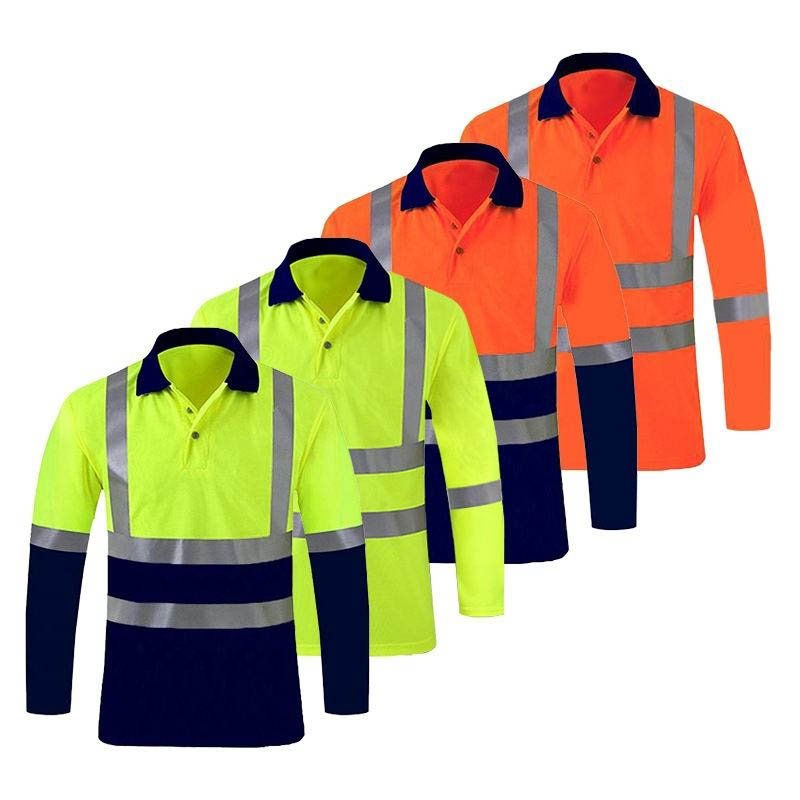
Not all reflective films are created equal. A supplier experienced in high-visibility workwear may lack expertise in reflective apparel for railway workers—where stricter standards like EN ISO 20471 demand specific retroreflective performance. Similarly, a supplier serving North American markets may not fully understand Australian compliance nuances.
Questions to ask:
- Can you show me 3-5 case studies of similar wholesale orders you’ve fulfilled?
- What industries do you primarily serve (construction, mining, logistics, railway)?
- Which geographic markets do your products serve regularly?
- Can you provide references from existing wholesale clients?
- Have you dealt with regulatory issues or product recalls in the past? How did you handle them?

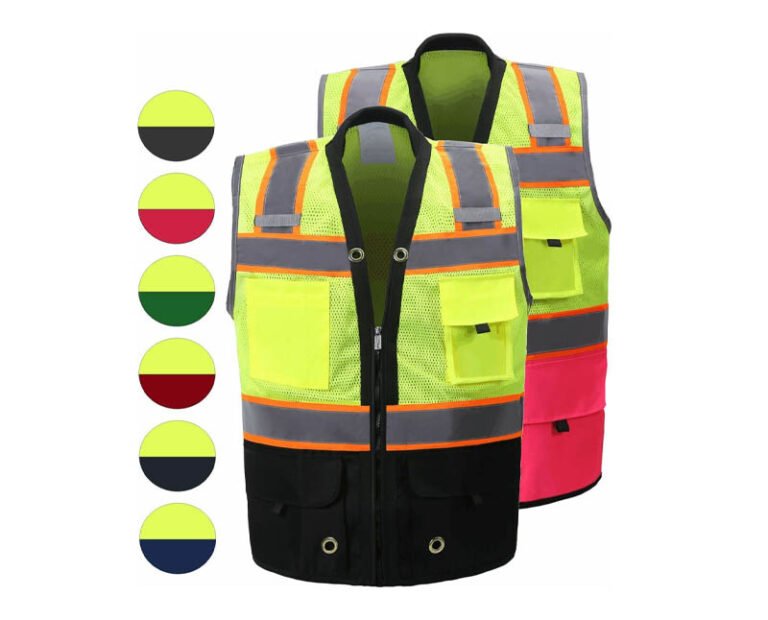
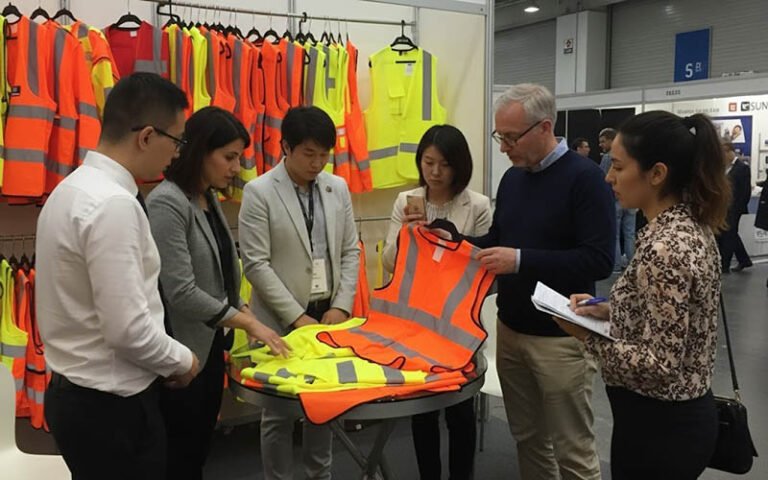
Experienced manufacturers offer custom pattern solutions tailored to specific industry requirements and certifications.
Making Your Final Supplier Decision
The vendor you choose today will impact your bottom line, your brand reputation, and your customer relationships for years to come. Don’t let competitive pricing cloud your judgment. Instead, use these five questions as a structured framework to evaluate each potential supplier holistically.
A truly professional supplier will answer all five questions comprehensively, provide documentation willingly, and invite you to visit their facilities or access customer references. If a supplier exhibits evasiveness, vagueness, or pushes hard on price while downplaying quality—walk away.
Discover VizGlo’s Advanced Reflective Film Solutions
At Nanjing VizGlo Safety Technology, we’ve spent 15+ years perfecting industrial reflective films that exceed international standards. We manufacture in-house, hold all major certifications, operate three independent testing labs, and serve over 50 countries globally.
Our commitment to batch-to-batch consistency, rapid lead times (typically 20-25 days), and customer support goes beyond typical supplier relationships. We’re true manufacturing partners invested in your success.
Get a Custom Quote TodayFrequently Asked Questions
What is the difference between reflective films and reflective tapes?
Reflective films are typically roll materials applied via heat transfer to garments, while reflective tapes are pre-made strips with adhesive backing. Films offer custom design flexibility; tapes offer simpler application. For wholesale apparel, films generally provide superior customization.
How do I verify a supplier’s ISO 9001 certification?
Request their ISO certificate directly and verify it on the certifying body’s website (often TÜV, SGS, or similar). Legitimate manufacturers keep current certificates and are transparent about audit dates.
What is batch-to-batch consistency, and why does it matter?
It means every batch of reflective film you receive performs identically to the previous batch—same brightness, same adhesion, same durability. This is critical because certification bodies test samples, and if later batches fail those tests, your entire product line can be recalled.
Is EN 20471 certification mandatory for all markets?
EN 20471 is mandatory in Europe and increasingly required by Australian importers. North American markets enforce ANSI 107 instead. Check your target markets. A multi-market supplier should hold all major certifications.
Can a supplier offer custom reflective film designs in small quantities for testing?
Yes, professional manufacturers typically offer prototype/sample production. However, this usually incurs tooling charges ($200-500). Once tooling is complete, bulk production becomes cost-effective. Discuss sample policies upfront.
Additional Resources & Industry References
Ready to Partner with a Trusted Reflective Films Manufacturer?
VizGlo Safety brings 15+ years of expertise, global certifications, and a track record of delivering consistent quality to wholesale partners.
Request Your Custom Quote