Procurement Guide / Reflective Materials
Reflective Tape Specification Sheet: What Workwear Buyers Should Confirm Before Ordering
“Silver reflective tape, 50 mm wide” describes an appearance and a dimension. It is not yet a purchase specification. Use the fields below to tell suppliers what the tape must do, how it will be applied, and what evidence you need before bulk approval.
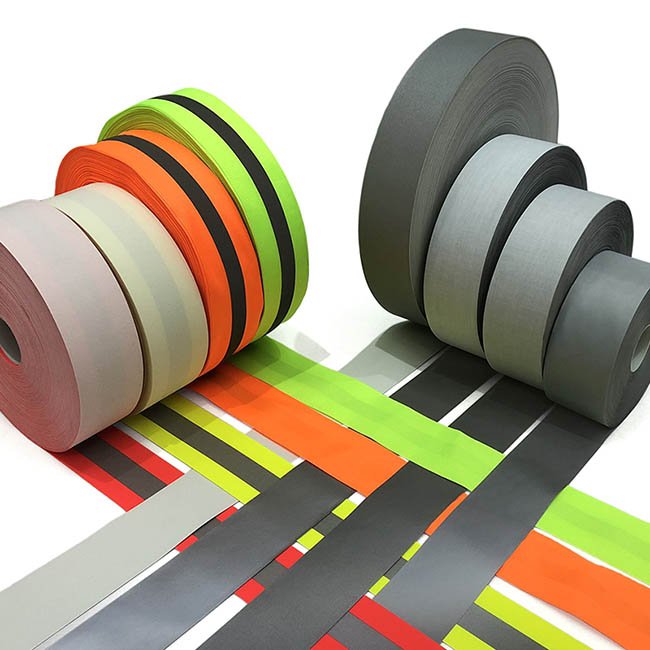
Quick Answer: What Belongs in a Reflective Tape Specification?
At minimum, specify the end use, destination market, application method, garment fabric, tape construction, width and tolerances, care conditions, required test evidence, and bulk acceptance process. Ask each supplier to identify its proposed product code and mark every requirement as confirmed, subject to testing, or not available.
This guide provides a buyer’s working template, not a claim that any particular tape or garment is certified. Start with your project requirements; do not turn an unverified catalog description into a purchase-order promise.
For available product families, begin with VizGlo’s reflective tape range for workwear. Use this article alongside that range to prepare a comparable request for quotation.
1. Start With the Garment, Not the Roll
First describe what you are making: a mesh vest, woven work jacket, stretch polo, rainwear shell, or another product. Then identify the country of use, workplace exposure and intended care process. If an EHS team, tender or customer already defines the specification, attach that document rather than paraphrasing it.
The Canadian Centre for Occupational Health and Safety advises checking local requirements and assessing workplace hazards before selecting high-visibility apparel. Its guidance also distinguishes fluorescent material from retroreflective material: retroreflection returns light toward its source; it is not a light source of its own. [1]
For purchasing, translate that distinction into a simple question: are you buying material for a specified high-visibility garment, or reflective trim for another purpose? Do not treat a decorative trim quotation as a substitute for evidence supporting a safety-apparel specification.
Keep material evidence and garment approval separate. CCOHS recommends obtaining proof for both the materials and garment design in its Canadian guidance. [1] For your destination market, ask the responsible compliance reviewer what evidence is needed for the finished design. A material report alone should not be your purchase-release decision.
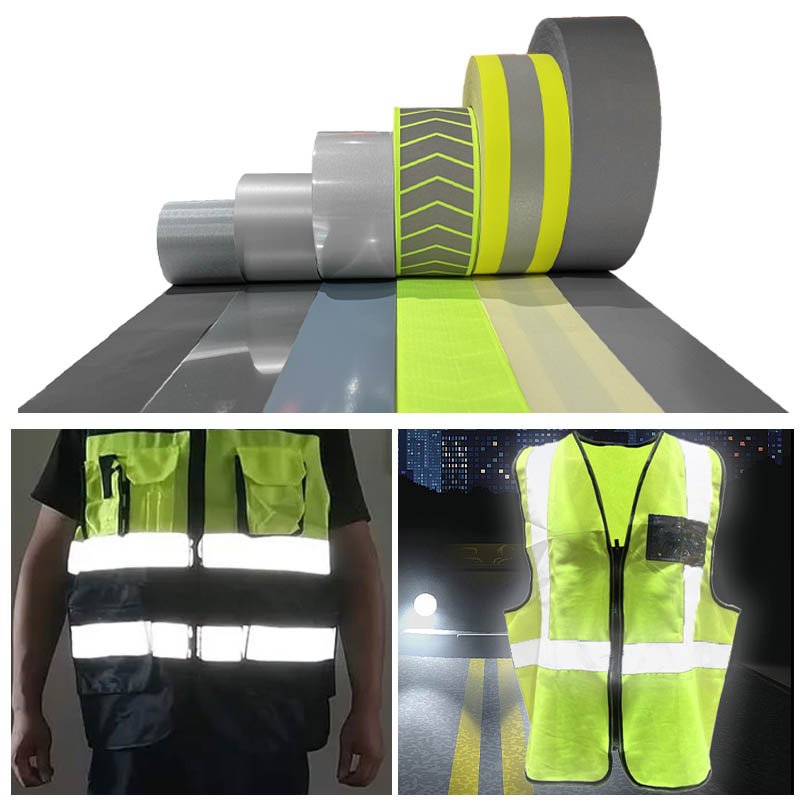
2. Use This Reflective Tape Specification Sheet
Send the same sheet to every shortlisted supplier. Leave unknown fields marked “to confirm,” and name who must resolve them. An empty field is not an agreement.
| Field | What the buyer should specify | What to request from the supplier |
|---|---|---|
| End use and market | Garment type, country of use, project specification and intended care process | Written suitability response, with limitations and unresolved requirements |
| Product identity | No unapproved material substitution | Manufacturer, product code, datasheet revision and sample reference |
| Application method | Sew-on, heat-transfer or another specifically defined process | Construction details and product-specific application instructions |
| Garment substrate | Fabric composition, weight, stretch, finish and coating, if present | Confirmation based on the actual fabric sample, not a generic fabric name |
| Backing and construction | Required hand, stretch and construction constraints | Backing or adhesive description and applicable restrictions |
| Dimensions | Total width, reflective-area width if different, agreed tolerances and roll length | Dimensioned specification and a quotation using the same unit |
| Appearance | Color, continuous or segmented design and reference sample | Physical sample for approval; photographs as supplementary references |
| Performance evidence | Applicable test method, conditions and required acceptance criteria | Report matching the proposed product and construction, including limitations |
| Care and durability | Actual cleaning and drying process; required verification stages | Test procedure, cycle count, results and supported care instructions |
| Delivery and traceability | Quantity in metres, roll format, delivery point and identification needs | MOQ, lead-time basis, roll labels, batch reference and packaging proposal |
Be precise about width: where a tape includes contrast borders, ask the supplier to distinguish total width from the reflective portion. The number printed in a quotation should not leave either party guessing what will arrive.
Compare like-for-like quantities: request the price per metre and metres per roll. Put sampling, testing, packaging and freight on separate lines so a lower roll price does not hide a different roll length or excluded work.
3. Confirm the Actual Fabric and Application Process
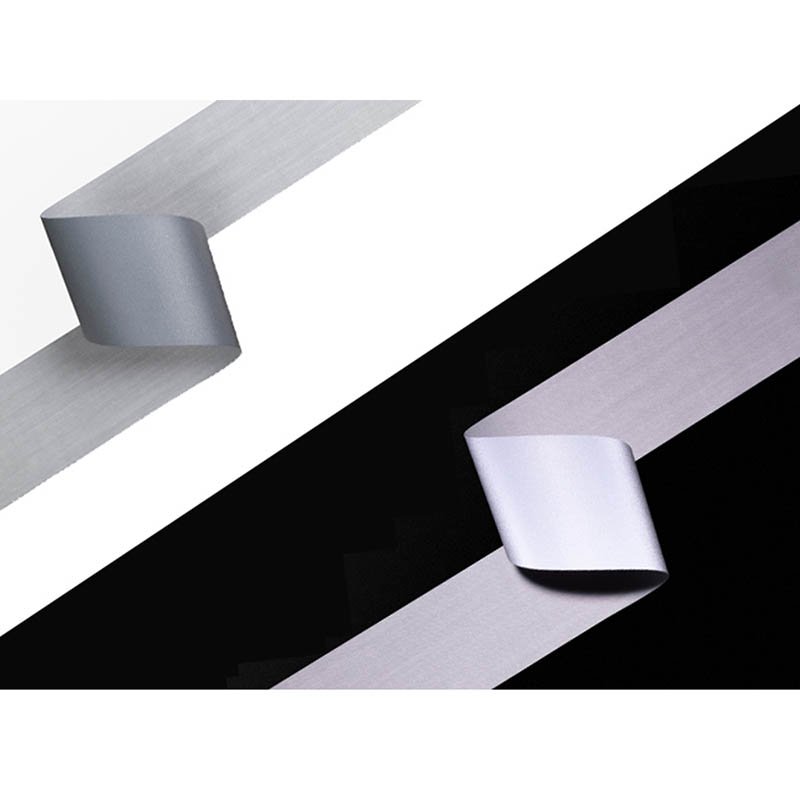
“For polyester” is not a complete application brief. Send a production-representative fabric swatch and identify any coating, finish or stretch requirement. Ask for an applied sample using that fabric before agreeing to bulk production.
For sew-on tape
Request the recommended sewing guidance for the proposed code. Include the attachment method in the sample review: inspect the seam, edge condition, handling and appearance on the garment. Where the fabric stretches, ask the supplier to explain how the proposed tape and attachment will be assessed together.
For heat-transfer tape or film
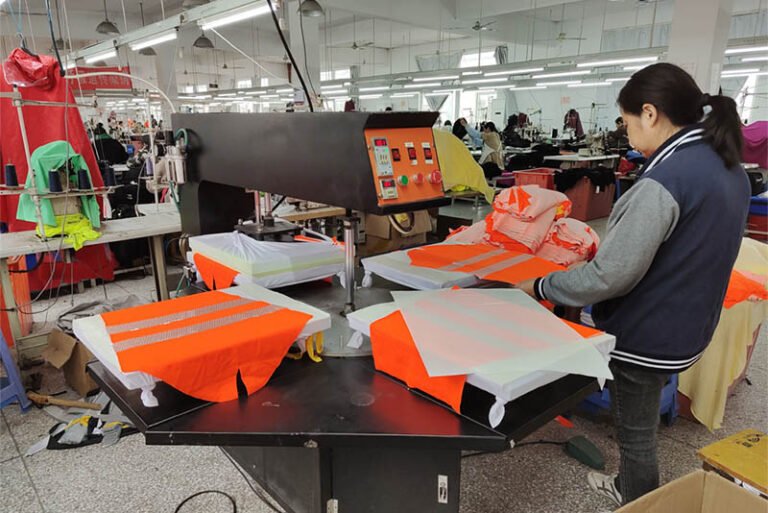
Request written instructions covering temperature, pressure, dwell time, peeling and any conditioning before testing. Record the equipment and fabric used during sampling. Treat the settings as product-specific instructions to verify, not a universal recipe copied from another material.
If this is your preferred route, compare the proposed construction with the reflective heat-transfer film options. Confirm the exact code before treating different film or tape quotations as interchangeable.

4. Ask What a Test Result Actually Covers
Do not accept “high brightness,” “washable,” or a standard name as the complete evidence package. Ask your quality or compliance reviewer to match the claim to the supplied document.
- Identity: Does the report identify the same product code and construction as the quotation?
- Test conditions: Are the method, conditioning and measurement conditions stated?
- Durability: What cleaning and drying procedure was used, and what was measured afterward?
- Scope: Is the sample a material, an applied composite or a finished garment?
- Traceability: Can the supplier connect the report and approved sample to the material it plans to deliver?
For example, if a supplier offers “50 washes,” ask: under which procedure, at what temperature, with what drying process, on what specimen, and against which post-wash criteria? This is an example of a question to ask, not a claim that a VizGlo product achieves that count.
CCOHS notes that dirt and contamination can reduce visibility and stresses correct care and maintenance. [1] Your specification should therefore connect the material evidence to the intended care instructions instead of using a cycle count without context.
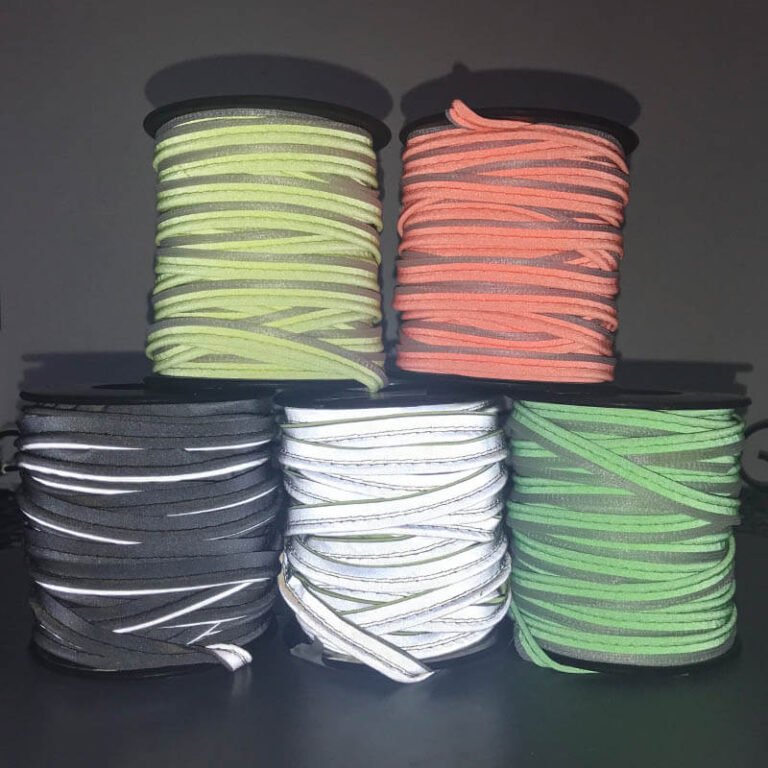
A night photograph is not your test report. Use images to discuss appearance; request the measurements and supporting records needed by your reviewer for a performance decision. This guide intentionally does not prescribe a universal retroreflection threshold or a current standard edition.
5. Separate Sample Approval From Bulk Acceptance
Use three written checkpoints. Assign an owner and retain a dated record at each stage.
- Material selection: Match the sample label, product code, datasheet and relevant supporting documents. Record any requirement still awaiting verification.
- Applied-sample approval: Review the material on the actual fabric and garment construction. Record the application process, agreed tests, results and approved reference sample.
- Bulk acceptance: Compare delivery identification, dimensions, appearance and agreed inspection results with the purchase specification. Define how a disputed or substituted batch will be handled before dispatch.
For repeat orders, request written notification before changes to the proposed material or construction. Do not let an old sample approval silently become approval for a new code.
If you are sourcing finished garments as well as trim, include these checkpoints in the development brief for your OEM/ODM workwear project. Material selection and garment sign-off should use the same recorded specification.
6. Copy This RFQ Brief Into Your Enquiry
Replace the bracketed fields. If you do not know an answer, label it “to confirm” rather than guessing.
Subject: Reflective tape RFQ for [garment / project]

Destination market and end use: [country, work environment]
Applicable project specification: [attach document / to confirm]
Garment fabric: [composition, weight, finish, stretch]
Fabric sample for application trial: [available / to arrange]
Application method: [sew-on / heat-transfer / to confirm]
Tape construction and appearance: [description / reference]
Total width / reflective width / tolerance: [mm]
Quantity: [metres]; preferred roll length: [metres]
Intended cleaning and drying process: [details]
Required test evidence and acceptance criteria: [attach / to confirm]
Sample approval owner and target date: [details]
Delivery location and required arrival date: [details]

Please provide:
1. Proposed product code, datasheet and application instructions.
2. Requirement-by-requirement response, including exceptions.
3. Relevant reports identifying the proposed construction.
4. Material and applied-sample arrangements, costs and timing.
5. Price per metre, roll length, MOQ and packaging.
6. Lead time, its starting conditions and freight exclusions.
7. Batch identification and proposed bulk inspection process.

Please flag unverified requirements and proposed substitutions
before quoting an alternative.
The most useful response is not necessarily the shortest quotation. It is the one that makes confirmed requirements, exclusions and next tests easy to identify.
7. When Should a Buyer Pause the Order?
| Unresolved issue | Recommended next action |
|---|---|
| Quotation and report use different product codes | Request a documented explanation and matching evidence before technical approval. |
| A wash claim has no procedure or result | Define the intended care process and ask for applicable evidence or a testing proposal. |
| A heat-transfer proposal has not been trialled on your fabric | Arrange an applied sample and agree the checks before bulk release. |
| A material document is offered as the only proof for a finished garment | Refer the finished design and required documents to the responsible compliance reviewer. |
| Substitutions or delivery acceptance are undefined | Resolve change control, inspection and disposition of nonconforming supply in writing. |
A hold point does not automatically mean rejecting a supplier. It means closing an evidence or agreement gap before committing the order.
Prepare a Reflective Tape Enquiry That Can Be Evaluated
Send VizGlo your fabric details, application method, destination market, quantity and project specification. Ask for the proposed material code, available supporting documents and sample-validation steps so your team can assess suitability before bulk approval.
Discuss Your Tape SpecificationFAQ: Reflective Tape Procurement
Is a width and color enough to request a quotation?
They are enough to begin a conversation, but not enough for a comparable technical quotation. Add the application method, fabric, end use, quantity, care process and evidence required. Ask suppliers to flag unresolved fields.
Should I specify sew-on or heat-transfer tape first?
Describe your garment and production process first. Request a proposed construction and application instructions, then validate an applied sample. Where either route is feasible, compare the sample results and production requirements before choosing.
Does buying tested reflective tape approve my finished garment?
Do not use a material report as the sole release criterion for a finished garment. Have the responsible reviewer check the design, material evidence and documentation required for the destination market.
What should I ask when a supplier quotes a wash-cycle count?
Ask for the procedure, cleaning temperature, drying method, specimen construction, cycle count and measured results against the agreed criteria. Confirm that the evidence applies to the proposed material and intended care process.
What should be retained for a repeat order?
Retain the approved specification revision, product code, sample reference, application record and acceptance requirements. Ask the supplier to identify any proposed changes before confirming the repeat order.