Buyer Review / Hi-Vis Workwear
Hi-Vis Workwear Sample Review: A Buyer’s Fit, Material and Construction Checklist
A sample is useful only when the review records what was checked, against which brief, and what still needs correction. Use this checklist to evaluate fit, materials, reflective layout, construction, branding and packaging before approving a production reference.
For workwear brands, PPE distributors, uniform buyers and quality teams
Review the sample against a numbered specification revision. Mark each checkpoint as approved, revise, or not applicable. Record the sample code, date, reviewer and any temporary material or missing feature.
1. Freeze the review record before handling the garment
Start with the document that defines the target: garment type, fabric, reflective arrangement, colour, size range, logo artwork, labels, packaging, destination market and care process. If the sample was made from a stock style or substitute fabric, write that difference at the top of the review. It changes what the sample can prove.
Keep the supplier quotation, tech pack, measurement chart, artwork and material references together. A sample should answer a defined development question, not become an informal approval because it looks close to the photograph.
2. Check fit and measurement points
Measure the sample on a flat surface using the same points as the approved size chart. Record garment length, chest, shoulder, sleeve or armhole, hem and any pocket or opening dimensions relevant to the design. Do not invent a universal tolerance; use the tolerance agreed for this project.
| Review area | What to record | Decision question |
|---|---|---|
| Size identity | Sample size, label, pattern revision | Does the physical size match the submitted chart? |
| Measurement points | Point of measure, result, agreed tolerance | Are deviations understood and dispositioned? |
| Wear test | Movement, layering, reach and comfort observations | Can the intended user perform the job without restriction? |
| Size range | Grading notes and missing sizes | Is the full range ready for review? |
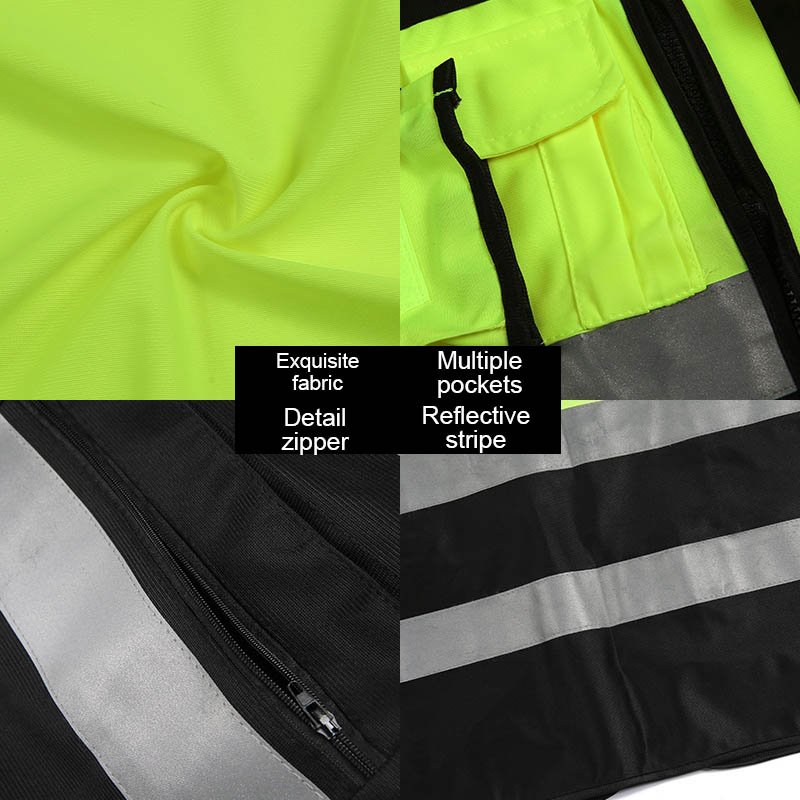
3. Inspect fabric, reflective material and placement
Identify the actual fabric composition, weight, finish, stretch and coating used in the sample. Compare the swatch or product code with the brief. Note hand feel, transparency, shade and any visible damage. If the supplier used a temporary material, mark the result as provisional.
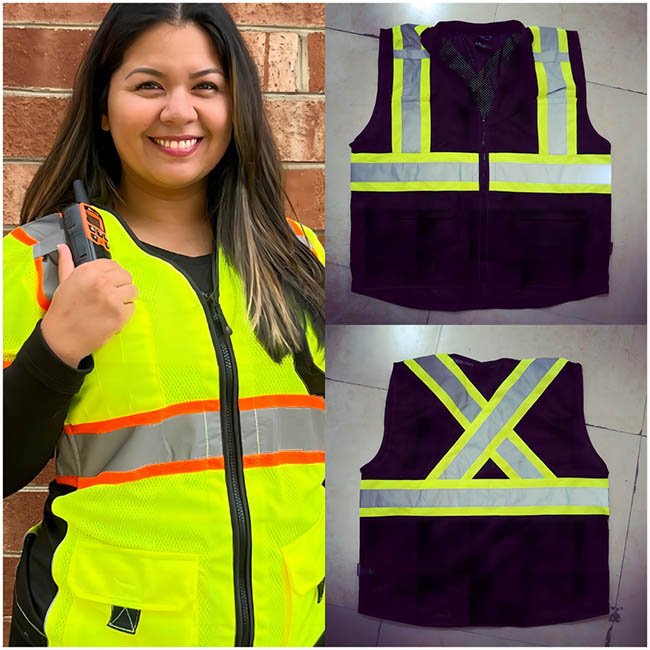
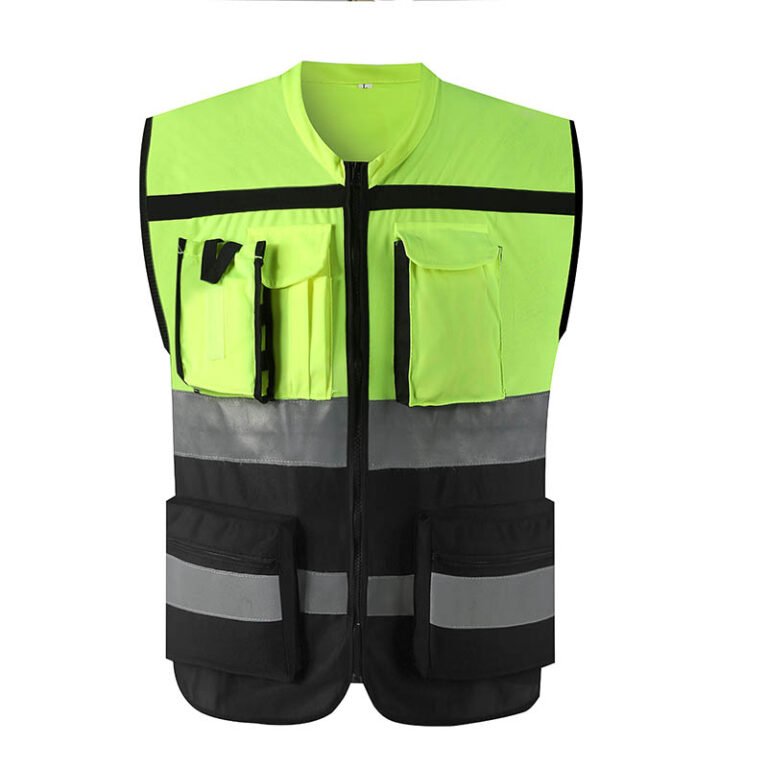
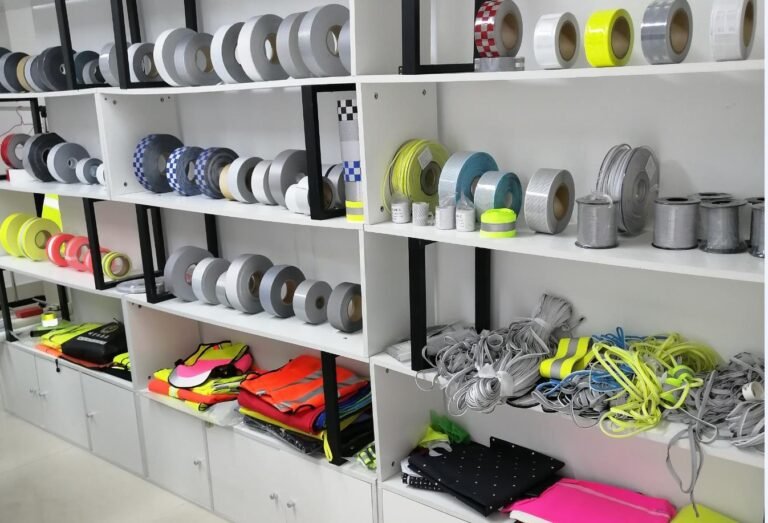
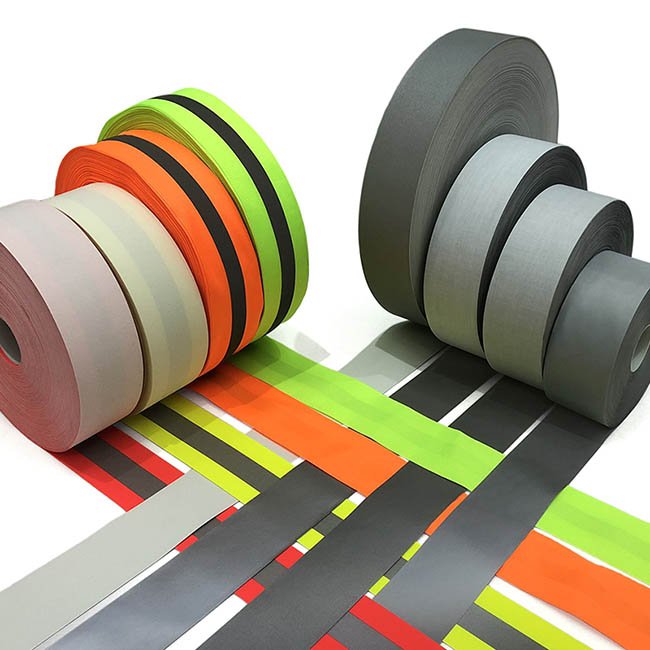
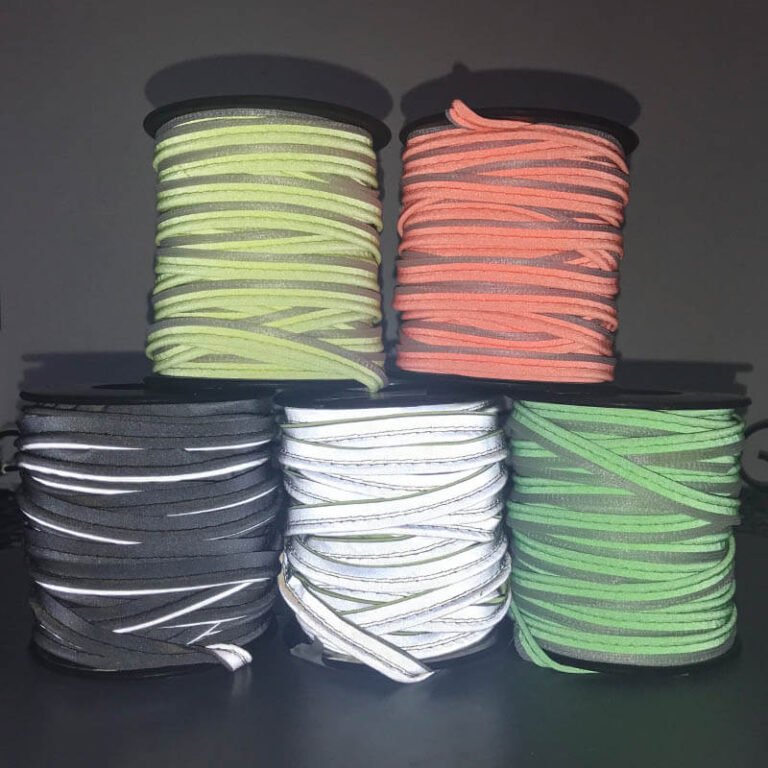
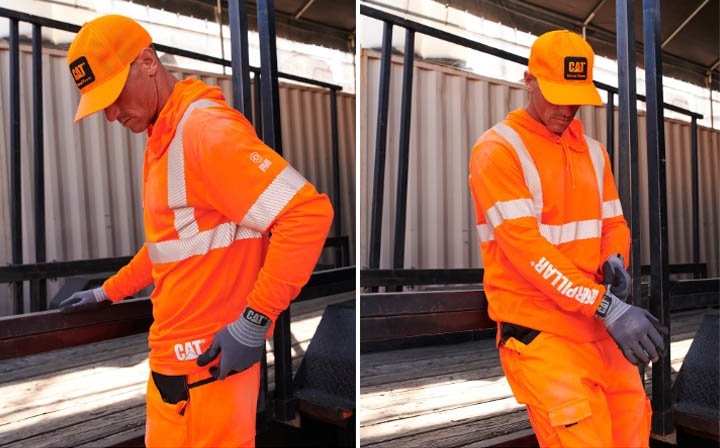
Review reflective tape or fabric by product code, width, position, continuity, corners and intersections. Check whether the layout remains clear when the garment is worn and when pockets, seams or closures are closed. A photograph cannot establish retroreflective performance; request the product-specific evidence required by the destination market.
CCOHS guidance distinguishes fluorescent material from retroreflective material and advises checking both material and garment design evidence. Use that as a reminder to keep the material record separate from finished-garment approval: official guidance.
4. Check construction and durability risks
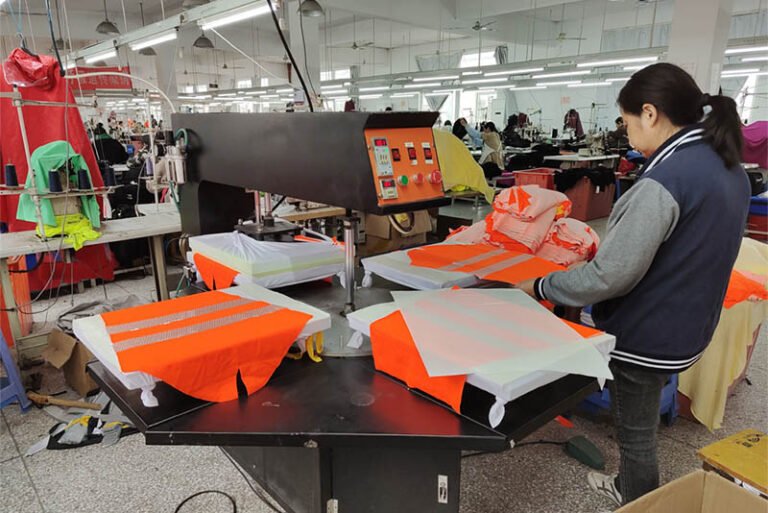
Inspect seam quality, stitch density, thread ends, bar tacks, pocket reinforcement, zipper operation, snaps, elastic and hem finish. Examine reflective-trim edges for lifting, puckering, skipped stitches or poor alignment. Where heat transfer is used, record the fabric, equipment and application settings used for the sample and identify which settings still need verification.
- Open and close every closure repeatedly and record failures or snagging.
- Load pockets with representative contents to check access and reinforcement.
- Stretch or articulate the garment where the end use requires movement.
- Check whether labels and care instructions match the actual materials.
- Separate visual approval from any wash, abrasion or performance test still required.

5. Review logo, labels and user information
Compare logo size, artwork version, colour, placement and method with the approved artwork. Check that the logo does not cover a required reflective area or obscure a label. Record whether embroidery, print or heat transfer was used and what needs durability verification.
Check the size label, fibre or composition information, care instructions, country-of-origin information and any market-specific markings required by your reviewer. Do not treat a certification mark printed on a sample as proof that the submitted garment is certified. Match claims to documents and scope.
6. Check packing and sample traceability
Confirm that the sample has a code, date and revision. Photograph the front, back, labels, reflective details and packaging, and store those images with the review form. Record carton, polybag, barcode, folding and moisture-protection requirements if they matter to the order.

7. Issue comments and control revisions
Write comments by location and priority: measurement, material, construction, branding, documentation or packaging. Assign an owner and due date for each open point. When a revised sample arrives, compare it with the previous record instead of starting from memory.
| Status | Use when |
|---|---|
| Approved | The checkpoint matches the specification and required evidence is complete. |
| Approved with conditions | The sample can answer its intended question while named, dated actions remain open. |
| Revise and resubmit | A change is needed before the sample can be used as a reference. |
| Hold | Identity, scope or evidence gaps prevent a meaningful approval. |
Turn a Sample Review Into a Production Decision
Send the supplier the numbered brief, measurement chart, artwork and review record together. Ask for a revised sample, product codes, supporting documents and a written response to every open point before bulk approval.
Discuss a Workwear SampleFAQ
Can a sample be approved if one material is temporary?
Only for the questions it can actually answer. Mark the temporary material, identify the remaining approval step and do not treat the sample as production release.
Should I approve fit before compliance documents?
Run the tracks together, but keep fit approval, material evidence and finished-garment compliance as separate decisions with named owners.
What is the most important sample record?
The specification revision and sample identity. Without them, photographs and comments can be attached to the wrong garment or revision.