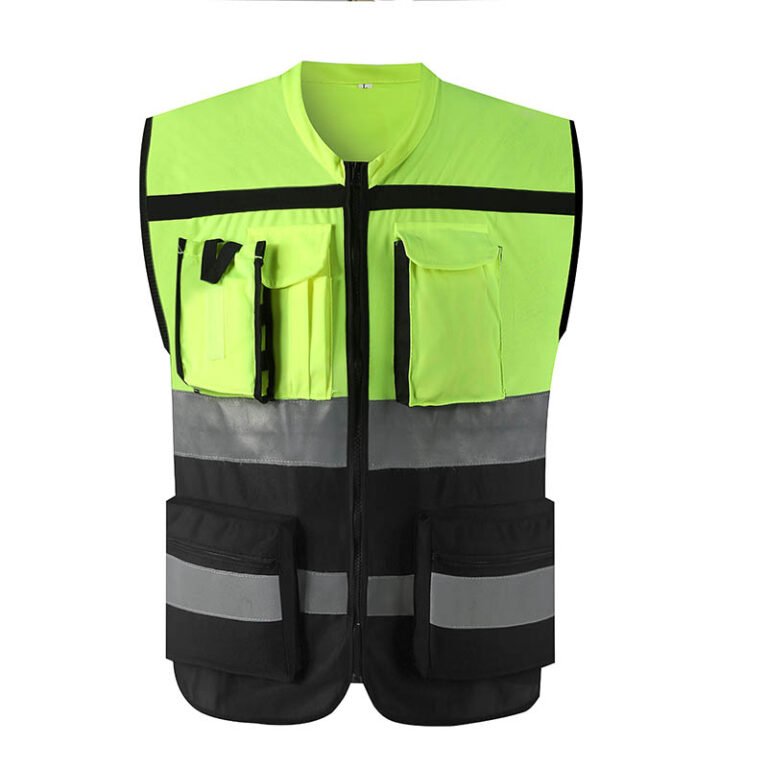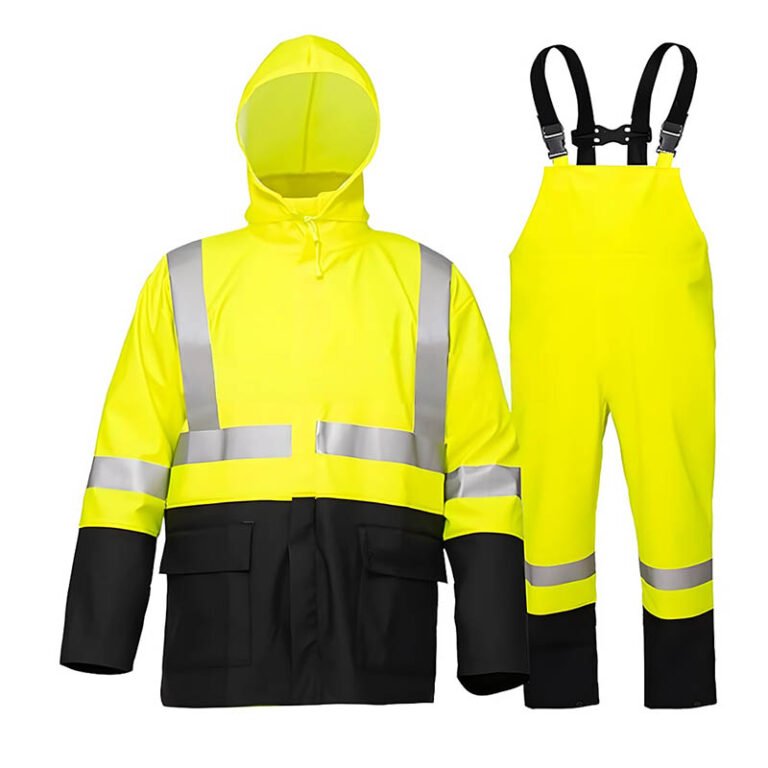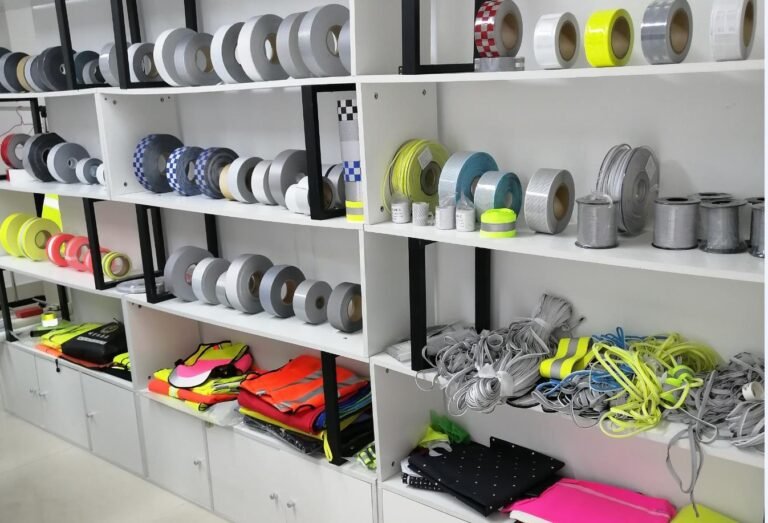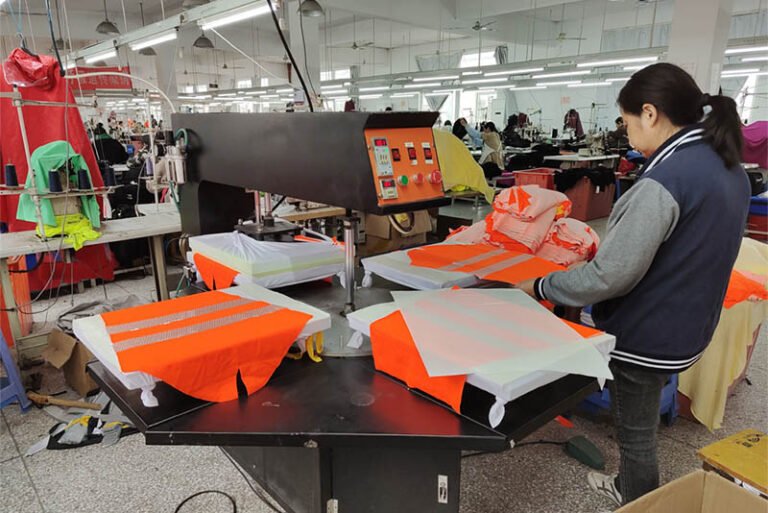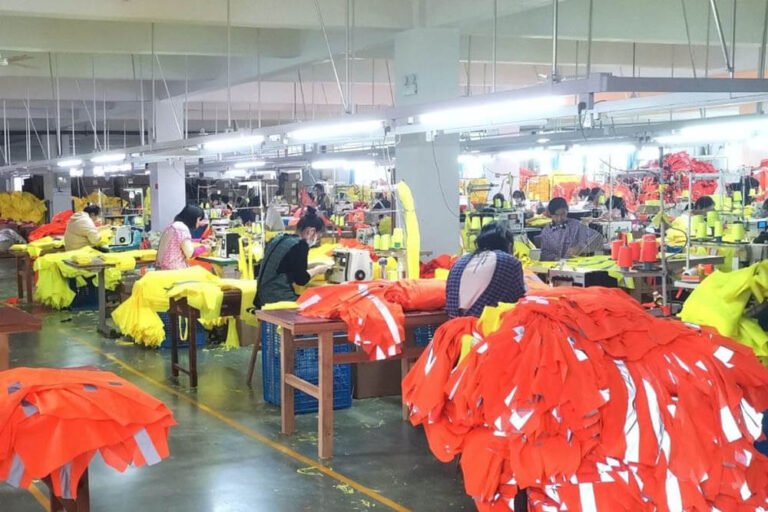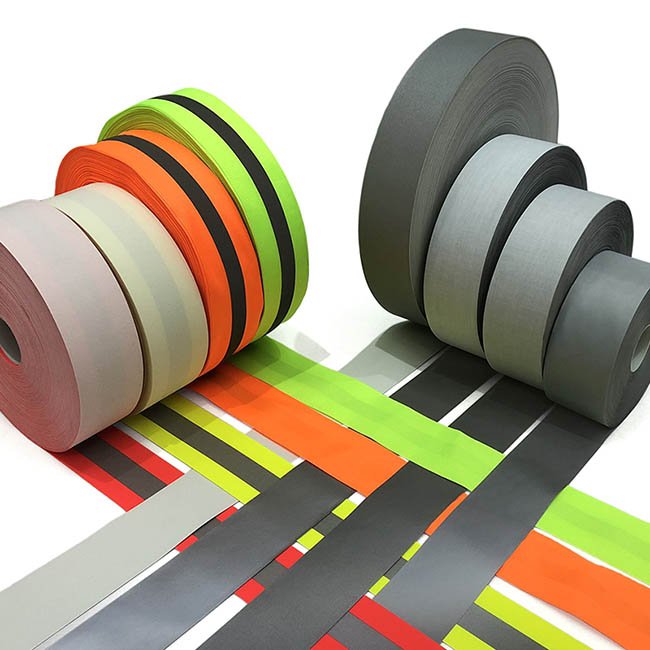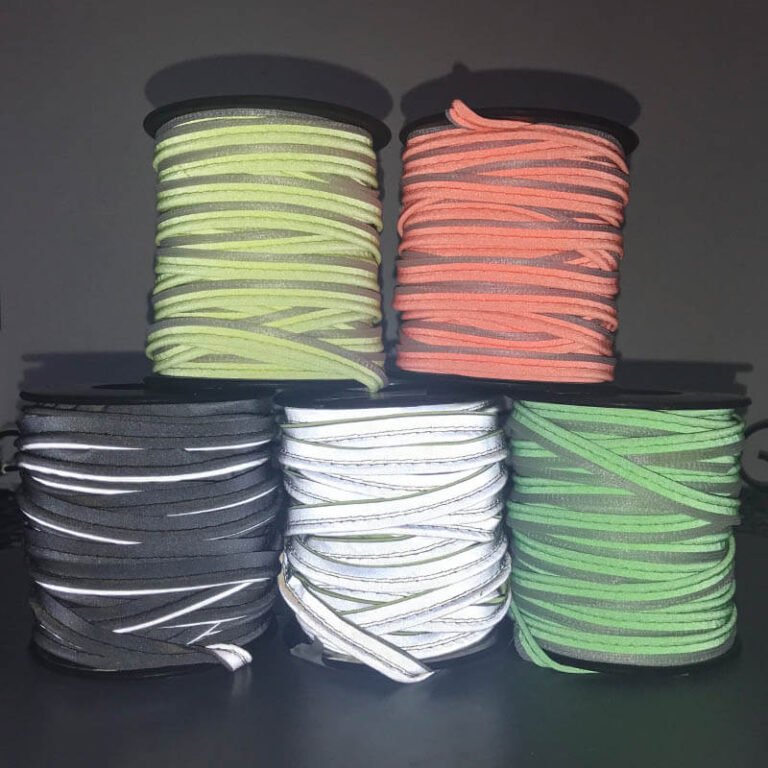
A face fabric can look correct on a swatch and still behave differently after it is backed, laminated, cut, sewn or applied to a garment. Buyers should specify the complete construction and test the actual textile combination. This guide gives apparel developers a layer-by-layer record, a sample plan and a document review matrix without assuming that one backing or bonding process fits every product.
1. Ask for the layer stack, not just the face name
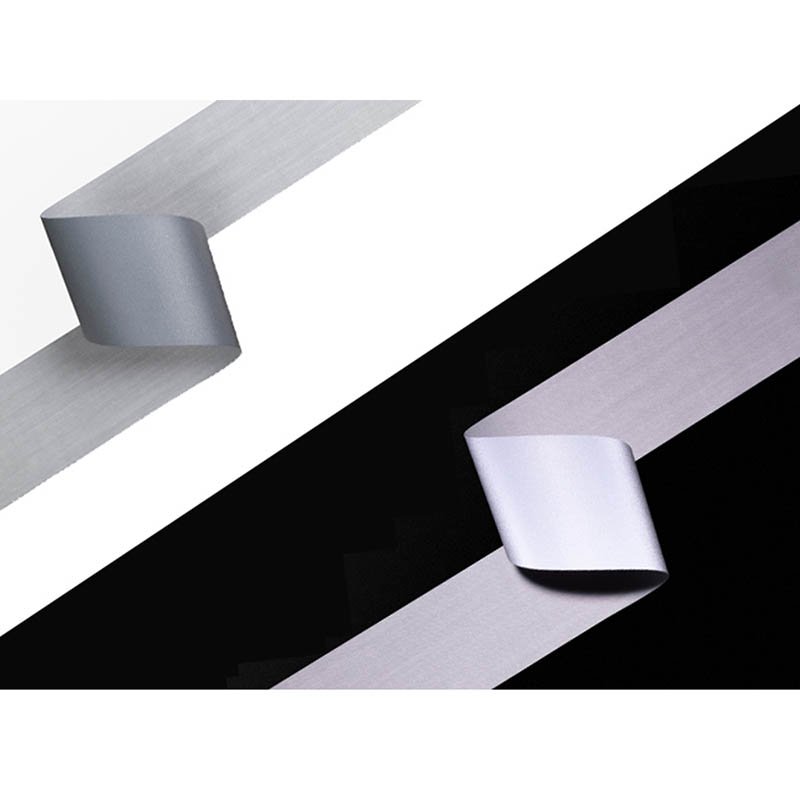
Ask the supplier to describe the supplied structure from the visible face through the reverse side: reflective surface, carrier or film, adhesive or bonding layer if present, textile backing, release liner and any coating or finish. Not every product contains every layer. The point is to name what is present, which side faces outward and whether the garment factory performs an additional process after receipt.
Record the supplier model and revision, nominal construction details supported by current documents, roll or sheet format and any restrictions. Terms such as “laminated,” “stretch,” “washable” and “breathable” are not self-explanatory specifications. Ask what test method, specimen, conditions and result support a performance statement before copying it into a purchase spec.
| Layer / feature | What to ask | Record |
|---|---|---|
| Reflective face | What material/construction is supplied and what claims are documented? | Product code, document revision, claim scope |
| Backing | What textile, film, adhesive or carrier is on the reverse? | Layer description and side orientation |
| Bond / laminate | Is bonding complete at delivery or created at the garment factory? | Process owner and instructions |
| Release liner | Does one exist, and how should it be handled? | Removal sequence and production note if supplied |
2. Define how the material will be used on the garment
Send a drawing of the panel or trim position and describe the garment’s movement, surface and care route. Note the base textile’s composition, weight or construction where known, plus stretch, coating, water-repellent finish, dye, print, seam and any second layer touching the reflective component. If the application is curved, crosses a seam or joins multiple panels, show that in the drawing.
For a sewn construction, document seam placement, stitch plan and edge finish for the trial. For a heat-applied or laminated construction, request written product-specific application instructions from the supplier and record the actual equipment and settings used on the sample. Do not transfer an instruction from one code or substrate to another.
The trial should include the actual fabric lot or a representative substitute explicitly approved by the technical owner. If a substitute is used, note the difference. Check the material before and after the agreed handling or care evaluation, and distinguish an appearance review from quantitative performance testing.
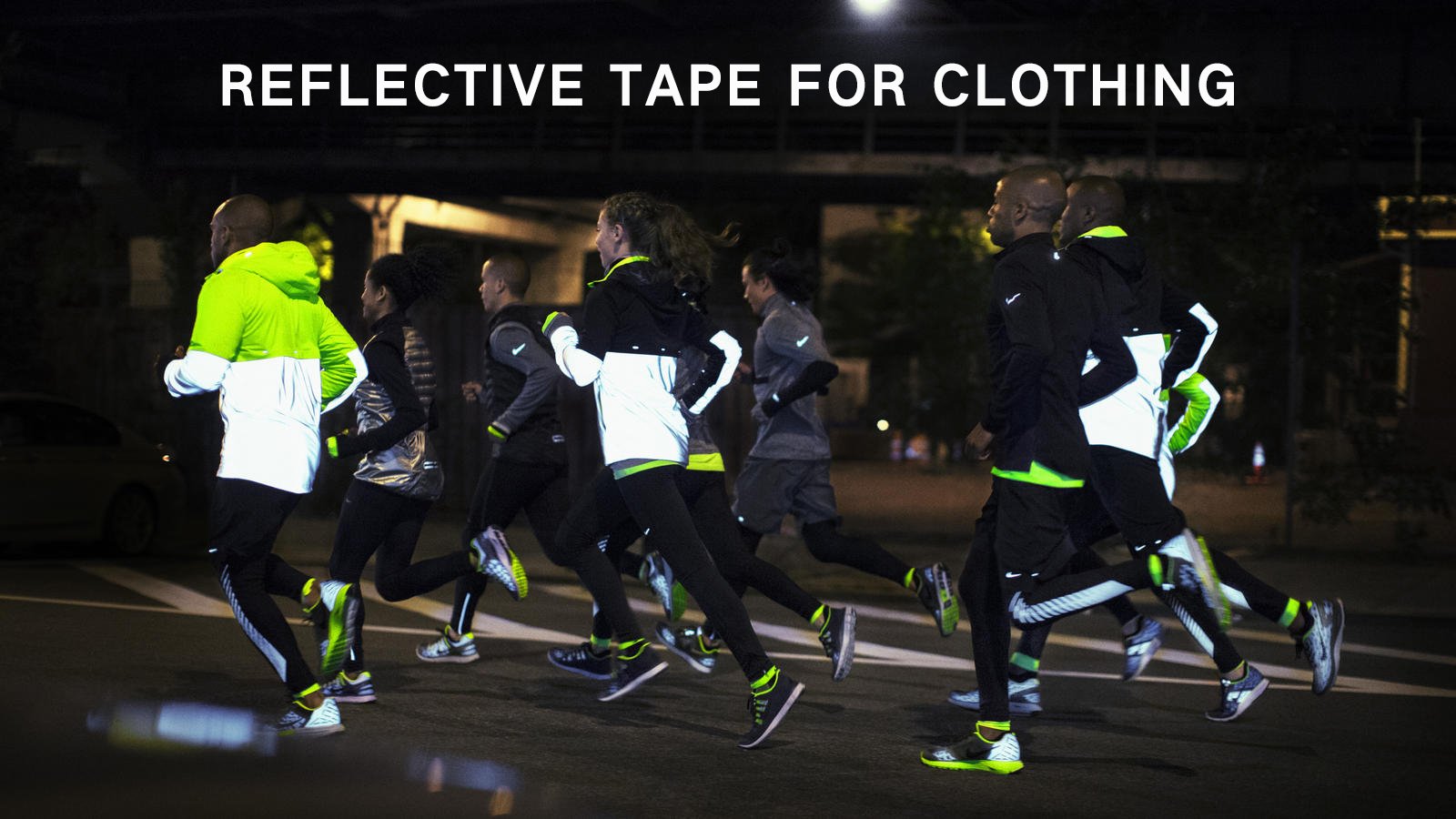
3. Use a construction matrix to compare proposals
| Design need | Supplier question | Sample check | Decision owner |
|---|---|---|---|
| Flexible or shaped panel | What movement or shaping limits are documented for this code? | Inspect the panel after representative flexing and garment movement | Product/technical reviewer |
| Layered or coated fabric | Has the exact finish/substrate been evaluated? What still needs validation? | Apply on the production fabric and record preparation | Materials and quality |
| Seam crossing | How should the proposed construction interact with seam allowance and stitch route? | Review edge, seam bulk and handling on an assembled sample | Apparel engineering |
| Care exposure | Which care process and specimen do the supplied results cover? | Use the project-approved procedure and criteria | Quality/compliance |
| Soft hand or comfort | What are the known limits and available approved alternatives? | Assess the whole garment, not an isolated swatch | Product and wearer trial |
This matrix does not rank structures universally. A supplier’s claim that a backing is “best” is not a decision rule until the buyer has stated the garment, production route, care process and required outcome. Compare only identifiable product codes and include exceptions in the quote.
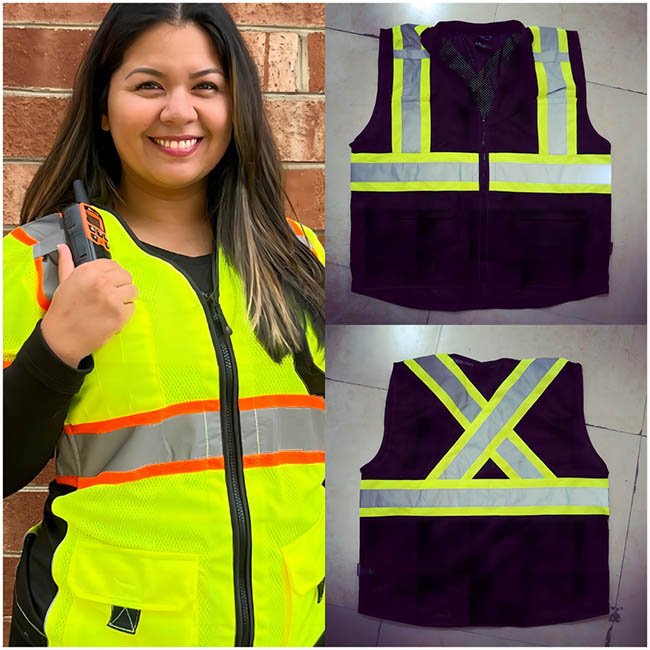
4. Control the sample sequence and evidence
Use a staged prototype sequence so a failure can be traced to the material, substrate, bonding process or garment assembly rather than a vague “sample issue.”
- Material identity sample: label the submitted material with supplier, code, revision and lot; measure or inspect only the attributes named in the specification.
- Application coupon: apply the product to the actual substrate using the recorded process. Keep an unprocessed comparison swatch.
- Construction sample: make a garment panel with the intended seam, fold, curve, closure or decoration that could affect performance.
- Care or durability evaluation: agree the method and acceptance criteria with the quality owner before testing; record the exact specimen and result.
- Pre-production sample: sign the final design, material codes, construction, care and required documents as one revision-controlled package.
Where results matter, retain complete reports rather than a cropped pass statement. Check the specimen description, method, conditioning, measurements, result, exclusions and laboratory or reviewer scope relevant to the purchase requirement.
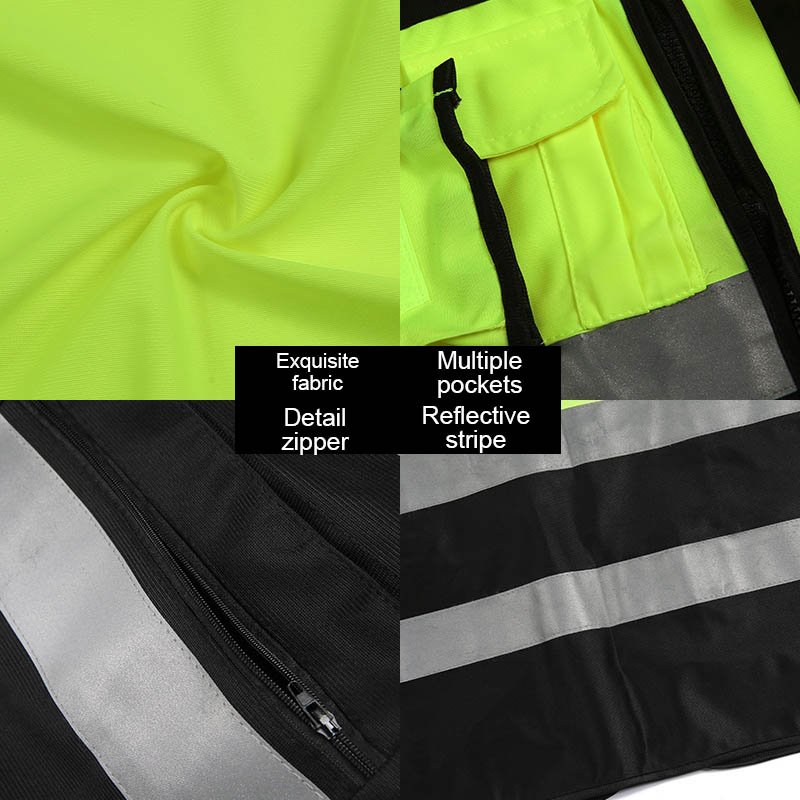
5. Tie incoming rolls and changes to the approved construction
Specify how each delivered roll or sheet will identify the product code, lot or batch reference, width/format and any agreed production label. Define the document the receiving team uses to compare the shipment with the approved sample and the purchase order. If traceability fields are not offered as standard, state the identification needed and ask what the supplier can provide.
Change control should cover changes to the face material, backing, adhesive, supplier source, process, application instructions or product code. Ask the supplier to notify the buyer before dispatching a changed version, describe what changed and provide evidence supporting the change’s effect on the approved design. The buyer’s technical reviewer should decide which checks need repeating.
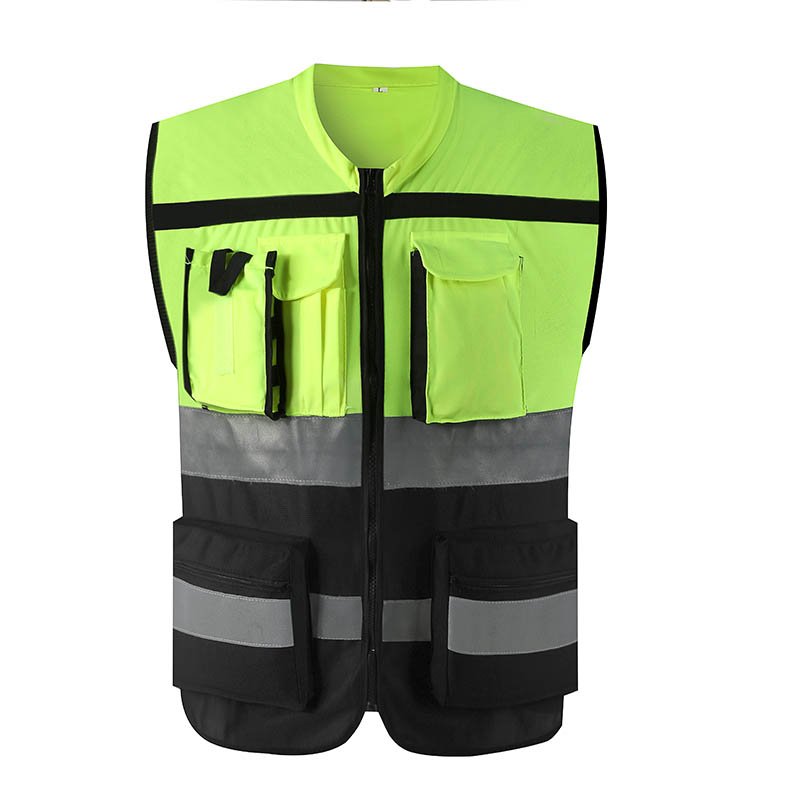
6. Copy this backing and lamination RFQ brief
Attach a drawing and physical substrate swatch where possible. Mark unknown requirements “to confirm”; do not fill them with generic values.
Garment/model and revision: [style / drawing version]
Destination and end use: [market / task]
Base textile: [code / composition / finish / coating / stretch]
Reflective component: [supplier code / proposed code]
Layer stack: [face / backing / adhesive or carrier / liner]
Application owner: [supplier instruction / factory process]
Panel location and dimensions: [drawing / size range]
Care route: [project instruction / evaluation required]
Required evidence: [method / scope / reviewer to confirm]
Sample stages: [material / coupon / garment / dates]
Lot identification and change contact: [requirements]
Ask for the proposed code, current datasheet, specific restrictions, supporting reports, sample plan, MOQ/format and any open questions. Keep those responses with the garment specification.
Related buyer guide: For adjacent material decisions, compare sew-on and heat-transfer application routes and how to define wash-durability evidence.
Frequently Asked Questions
Can one backing work for every garment?
Do not assume so. The garment substrate, finish, shape, application process and required care all affect the review. Ask for a proposal tied to the exact sample.
Does a swatch prove a laminate will work in production?
No. It helps identify appearance and structure. A production-representative application sample is needed for the processes and criteria your project requires.
Can we compare backing materials by hand feel alone?
Hand feel is one consideration. Record it with fit, assembly, care and evidence checks; do not use it as a substitute for a required performance evaluation.
What should we do if the supplier changes a layer?
Request a written change notice, revised documents and a technical review of which sample or test checks need repeating before accepting the changed code.
Review a Reflective Fabric Construction
Explore VizGlo’s reflective fabric range and include the substrate, panel drawing, application route and care requirements in your enquiry. If your design uses tape or transfer material, compare the related reflective tape options against the same sample plan.
Request a material review