Hi Vis Clothing Standards: A Buyer’s Guide to Compliance Requirements
Navigating the financial, legal, and operational risks of high-visibility PPE procurement across global supply chains.
Executive Summary: Hi Vis Compliance Requirements
Hi vis clothing compliance requires high-visibility workwear to satisfy strict regional standards—primarily ANSI/ISEA 107 in North America and EN ISO 20471 internationally—by certifying exact surface areas of certified fluorescent background fabric and retroreflective materials. For commercial procurement managers, compliance is not a static paperwork exercise; it demands verifiable third-party test reports, multi-risk alignment (flame resistance and anti-static capabilities), and proven retroreflective retention exceeding 25 to 50 industrial laundry cycles to prevent catastrophic liabilities, customs rejections, and premature product failure.
Contents Overview
1. Compliance as Strategic Risk Management
For safety apparel distributors, brand managers, and tier-one general contractors, high-visibility compliance is frequently misunderstood as a routine procurement checklist. In reality, purchasing certified PPE is fundamental insurance for your operational continuity and corporate balance sheet.
Partnering with low-cost suppliers who take shortcuts on testing protocols introduces severe business liabilities. When a shipping container carrying thousands of safety garments is flagged at border checkpoints such as the Port of Long Beach or Rotterdam due to counterfeit, altered, or non-accredited laboratory test reports, the outcome is immediate: seized cargo, mounting demurrage charges, missed project delivery deadlines, and severe financial losses.
Beyond port logistics, the operational liability on job sites is even greater. Should an industrial accident occur, forensic safety auditors and regulatory bodies like OSHA or European national safety executives will examine the PPE worn by the worker. If laboratory testing reveals that the fluorescent background fabric degraded prematurely or that the retroreflective coefficient fell below legal minimums, the distributor or employer faces strict legal exposure and irreparable brand damage.

2. Decoding Regional Standards: ANSI vs. EN ISO vs. AS/NZS
As distributors expand across North America, Europe, Australia, and the Middle East, managing disparate regional specifications becomes a core procurement challenge. Sourcing teams cannot assume that a garment compliant in Texas will clear regulatory scrutiny in Frankfurt or Sydney.
| Standard | Primary Jurisdiction | Classification Scheme | Design Specifics |
|---|---|---|---|
| ANSI/ISEA 107-2020 | North America | Type R (Roadway), Type O (Off-road), Type P (Public Safety); Classes 1, 2, 3 | Accommodates sleeveless vest architectures in Class 2; strict minimum square inches per size category. |
| EN ISO 20471:2013+A1:2016 | Europe, UK (UKCA), Middle East | Class 1, Class 2, Class 3 | Mandates 360° visibility around torso and limbs; Class 3 designs strictly require full torso and sleeved/trouser configurations. |
| AS/NZS 4602.1 / 1906.4 | Australia, New Zealand | Class D (Day), Class N (Night), Class D/N (Day/Night) | Requires specific “H-pattern” or “Cross-back” retroreflective taping and stringent UV transmission thresholds. |
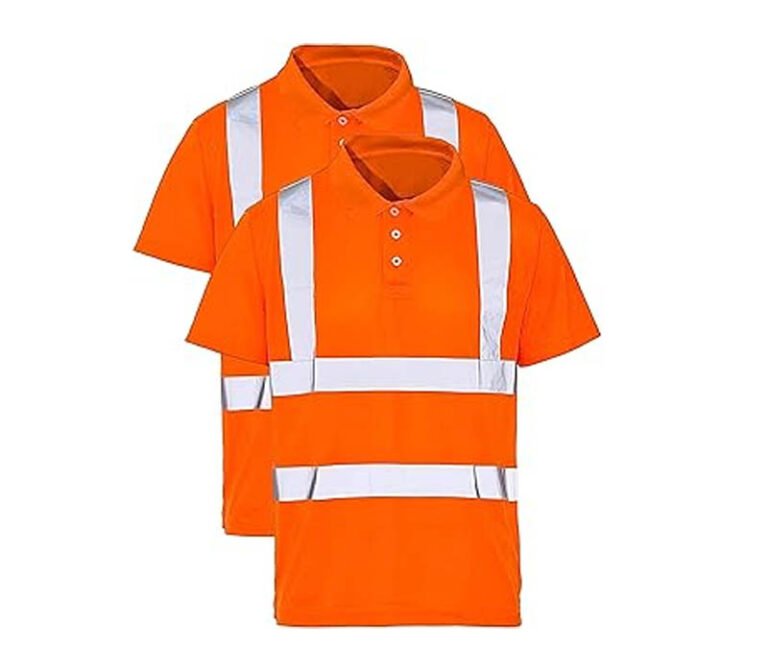
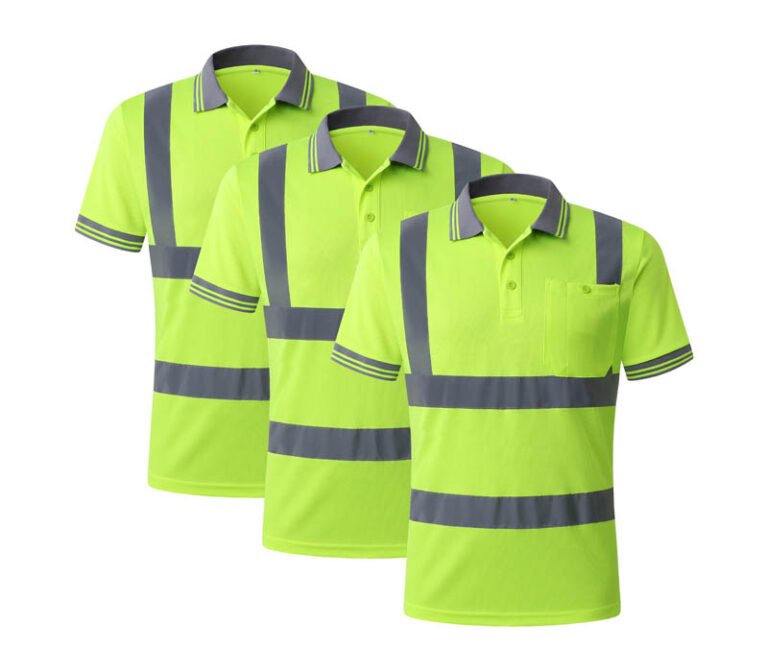
Consolidating procurement under a single OEM manufacturer capable of cross-engineering patterns for multiple standards significantly cuts tooling and unit costs. To explore tailored garment designs built for these standards, review our core manufacturing lines across hi vis clothing categories.
3. Beyond the Label: Durability Under Industrial Wash Cycles
The most prevalent pitfall among commercial buyers is mistaking day-one certification for operational longevity. Many budget garments comply with ISO standards out of the factory box, but their photometric performance rapidly collapses in service.
The real technical differentiator lies in how the fluorescent fabric and retroreflective elements hold up to real-world industrial laundering, abrasive work conditions, and intense UV exposure:
Fluorescent Background Substrates
Fluorescent dyes (yellow-green, orange-red, red) convert invisible ultraviolet radiation into visible light. Inferior polyester-cotton blends degrade under UV and alkaline laundry solutions, losing their chromaticity coordinates after fewer than 10 washes and failing legal visibility limits.
Retroreflective Tape Chemistry
Micro-glass-bead retroreflective bands must retain a minimum coefficient of retroreflection ($R_A \ge 330\text{ cd/lx/m}^2$). Low-grade tapes lose their aluminum mirror undercoat quickly, whereas certified industrial tapes maintain high reflectivity across 25 to 50 wash cycles at 60°C.
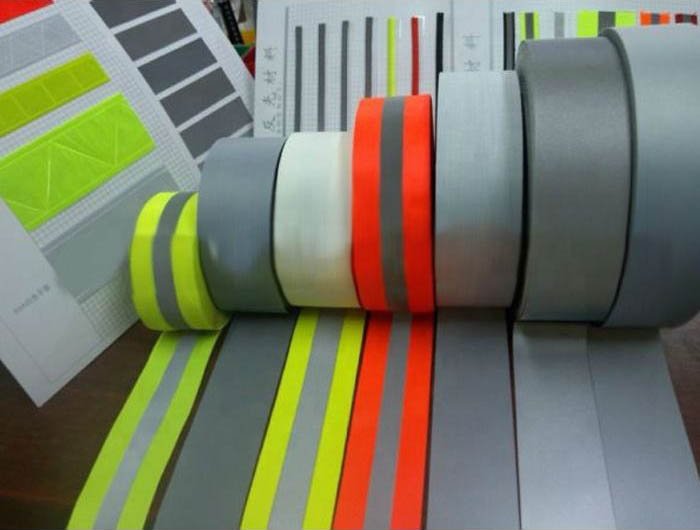
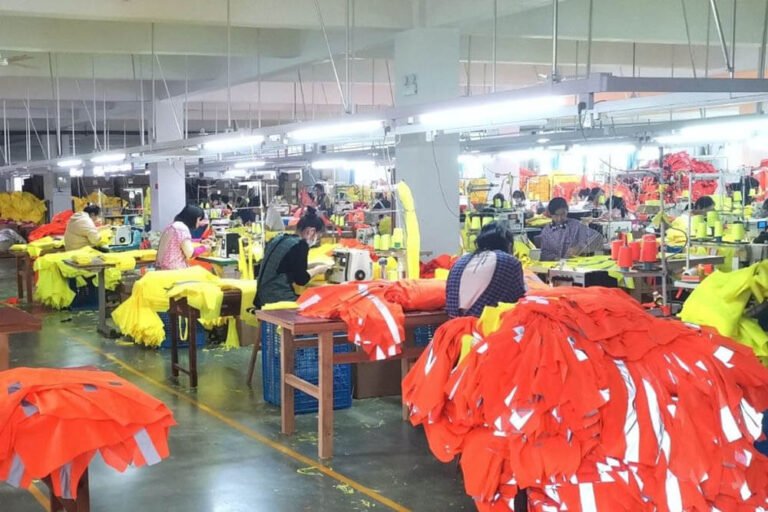
As a specialized vertically integrated producer, our in-house production of premium reflective tapes ensures that raw material performance and garment stitching are fully aligned to prevent premature delamination in the field.
4. Solving Multi-Norm Complexities (FR & Arc Flash)
Modern utility, petrochemical, and railway work environments require multi-hazard protection. Workers cannot simply wear a generic polyester safety vest over flame-retardant (FR) coveralls—synthetic polyester melts and drips upon exposure to electric arcs or flash fires, causing catastrophic burn injuries.
Professional buyers must navigate strict “multi-norm” compliance matrices, specifying garments that integrate several certified properties simultaneously:
- High Visibility + Flame Resistance: Combining EN ISO 20471 with NFPA 2112 / EN ISO 11612 using modacrylic, aramid, or treated FR cotton bases paired with FR-certified retroreflective transfers.
- High Visibility + Arc Flash Defense: Certified under ASTM F1506 / IEC 61482-2 to provide distinct Arc Thermal Performance Values (ATPV / EBT).
- Railway Sector Specifics: Complying with RIS-3279-TOM (formerly GO/RT 3279) for the UK rail industry, which mandates a distinct, highly saturated fluorescent orange hue.
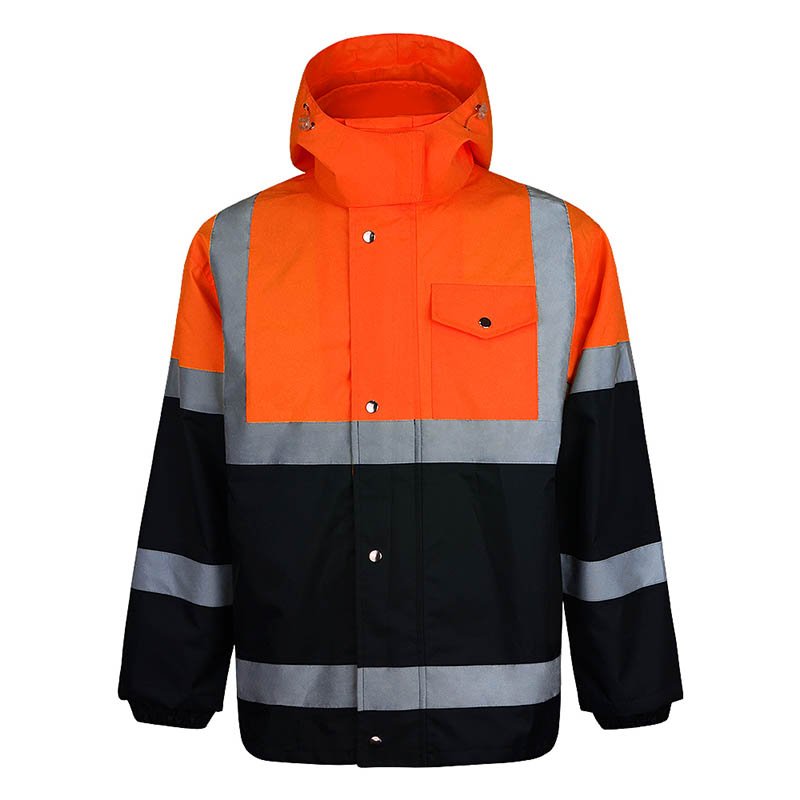
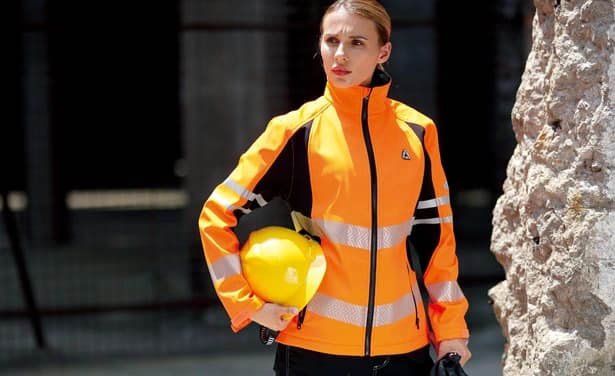
Engineered garments designed for heavy industrial and field operations require specialized technical fabrics. Discover how our heavy-duty systems perform across our dedicated hi vis workwear catalog.
5. Supply Chain Verification & Audit Protocols
To insulate your business against regulatory penalties, every procurement manager should institute a standardized documentation and supplier audit protocol before issuing purchase orders.
Procurement Compliance Checklist:
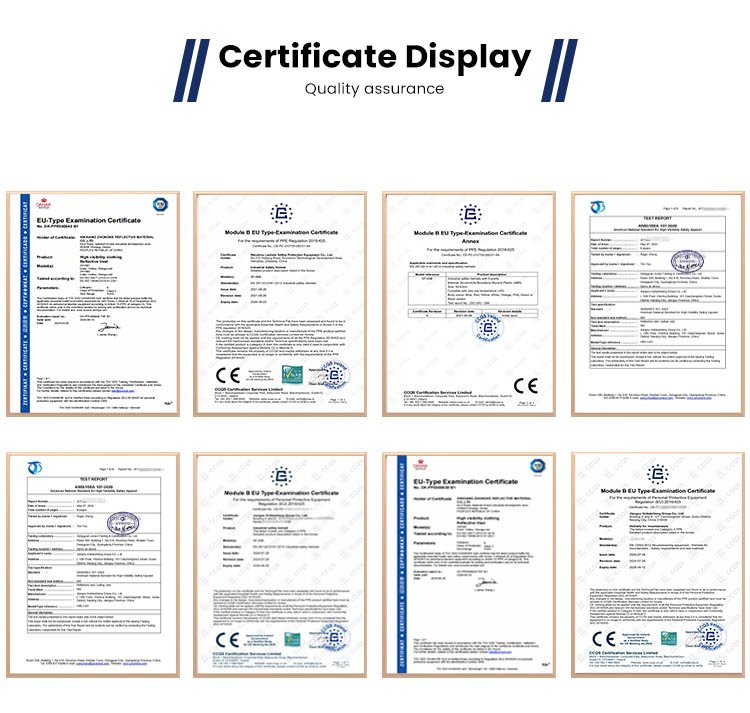
- ✓ Garment-Level Test Reports: Confirm the test certificate covers the fully assembled garment design, not merely an unstitched roll of fabric.
- ✓ Accredited Testing Bodies: Ensure reports originate from certified, internationally recognized testing bodies (e.g., SATRA, SGS, BTTG, UL, or TÜV Rheinland).
- ✓ Declaration of Conformity (DoC): Request an up-to-date, legally binding DoC matching batch production runs.
- ✓ Vertical Manufacturing Control: Ensure your OEM partner controls raw material sourcing and tape conversion to prevent batch-to-batch inconsistencies.
Eliminate Compliance Risk from Your PPE Supply Chain
Partner with an integrated OEM/ODM manufacturer with 15+ years of international compliance expertise. Access verified ANSI, EN ISO, and AS/NZS certified production runs directly.
Request a Compliance Audit & Custom QuoteFrequently Asked Questions
What is the primary difference between ANSI/ISEA 107 and EN ISO 20471? ▼
While both standards classify high-visibility garments into three distinct risk tiers based on surface areas of fluorescent background and retroreflective tape, ANSI/ISEA 107 (North America) includes specific workplace use cases (Types R, O, and P) and accommodates sleeveless designs differently than EN ISO 20471 (Europe), which mandates strict 360-degree torso and sleeve tape configurations.
Why do factory test certificates often fail during third-party customs or site audits? ▼
Many generic suppliers present component-level certificates (such as raw fabric reports) rather than finished-garment certifications, or rely on outdated lab audits. Regulatory bodies and customs officials require accredited third-party test reports (from labs like SATRA, SGS, or UL) verifying that the finished garment meets area, design, and photometric requirements after standard wash cycles.
How does wash cycle durability affect high-visibility compliance? ▼
A garment may pass initial reflectivity thresholds (typically 330–500 cd/lx/m²) out of the box, but cheap glass bead coatings quickly abrade. Premium hi-vis garments specify retroreflective performance sustained across 25 to 50 industrial wash cycles, preventing premature compliance failure and frequent replenishment costs.
What is a multi-norm high-visibility garment? ▼
Multi-norm workwear combines high-visibility protection (EN ISO 20471 / ANSI 107) with other safety defenses, such as flame resistance (EN ISO 11612 / NFPA 2112), arc flash protection (EN 61482 / NFPA 70E), and anti-static properties (EN 1149). It eliminates the need for workers to layer multiple incompatible PPE garments.