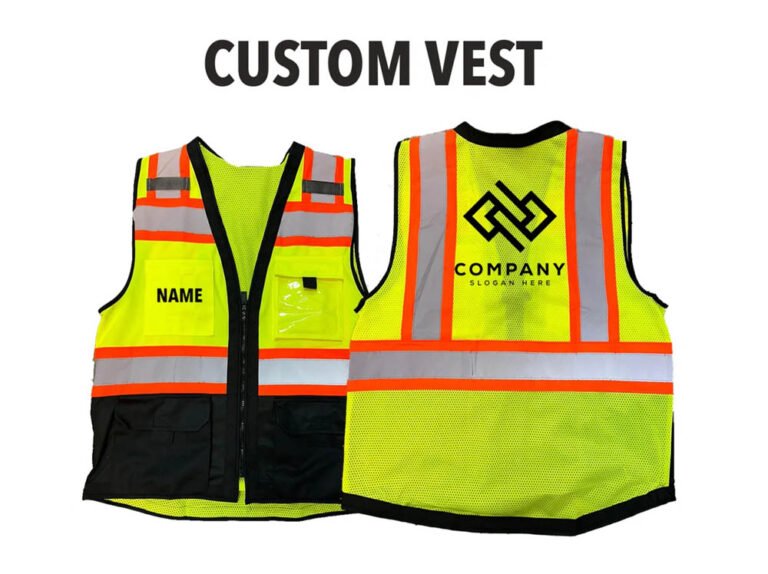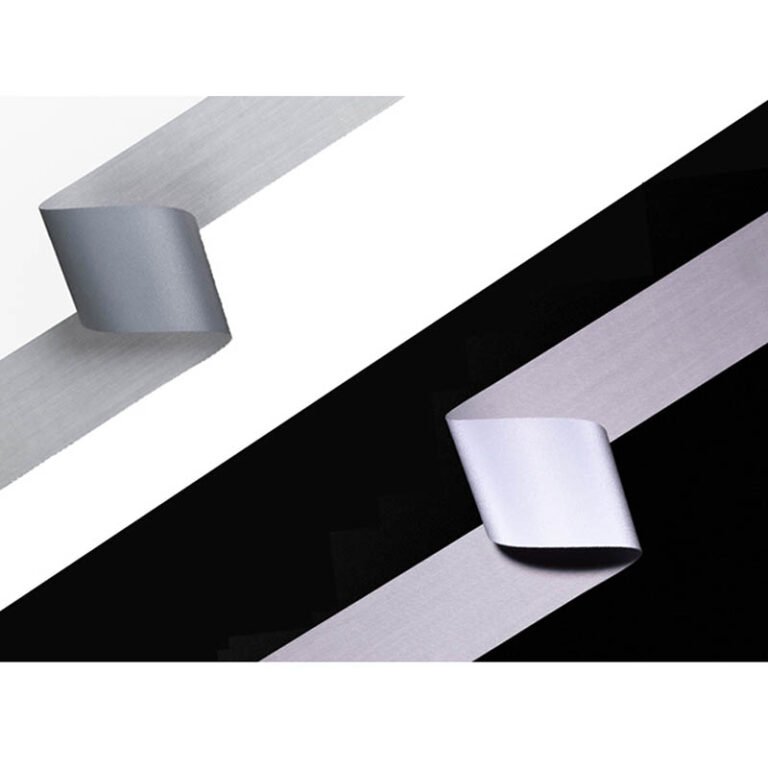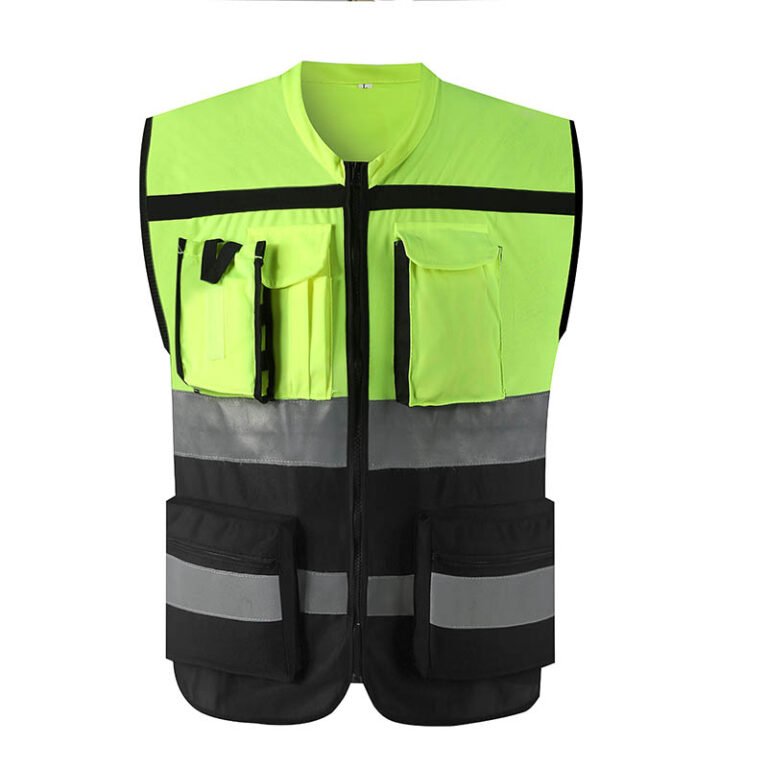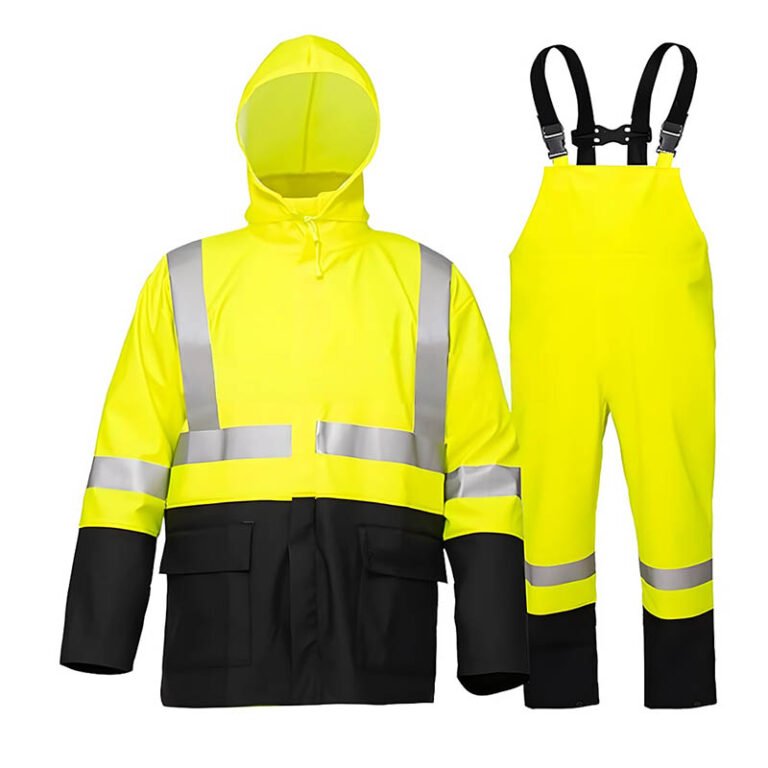
Choosing a bright vest is not a cold-storage uniform plan. Buyers must consider the work zone, exposure, worker movement, layers worn together, equipment interfaces, cleaning and how high-visibility features remain visible during the task. This guide gives warehouse and logistics teams a practical brief and trial process while keeping thermal protection decisions with the responsible safety professional.
1. Build a zone-and-task matrix before selecting garments
Separate freezer rooms, chilled areas, loading docks, transition zones and outdoor yards when workers move between them. For each task, record the operating conditions supplied by the employer, time in each zone, movement intensity, breaks, work near forklifts or vehicles, door openings, wetness and the layers normally worn. Do not assume a single “cold-store temperature” represents every worker’s exposure.
Use the workplace assessment and task observations to identify the clothing functions required. Note existing engineering and operational controls—such as traffic separation, alarms, restricted access or work/rest arrangements—so procurement does not become a substitute for hazard control.
| Work zone/task | Buyer records | Review question |
|---|---|---|
| Freezer picking | Exposure duration, movement, equipment, layers and breaks | Can the approved clothing system support the task and movement? |
| Dock transition | Door cycles, drafts, moisture and indoor/outdoor transitions | Can the worker adapt layers without covering the visibility design? |
| Vehicle interface | Forklift routes, sightlines, lighting and worker positions | What visibility design and site controls are required? |
| Maintenance | Tools, reach, kneeling, entanglement or specialist exposure | Does the task need additional product-specific protection review? |

2. Approve the whole layer combination, not one garment in isolation
List the base layer, insulating layer, high-visibility outer garment and any rain or wind layer that may be worn together. Identify whether garments are supplied as a set or combined from different sources. Show how each layer closes, overlaps and stays in position during reaching, lifting, bending and equipment use.
Ask the safety owner and supplier to review fit, bulk, mobility, glove compatibility, hood or collar interference, closures and how equipment belts or harnesses interact with the clothing. If an extra jacket is worn over a vest, check whether it hides the approved high-visibility areas. If the vest is worn outside insulation, check that it closes and stays secure through the task.
Thermal comfort and protection depend on the actual environment, work rate, clothing system and wearer. Request product-specific information for any stated thermal, flame, electrical or weather-protection property; a general product title or fabric weight does not establish suitability. CCOHS guidance on cold environments emphasizes assessing conditions and using layered clothing and other controls appropriate to the work. [1]
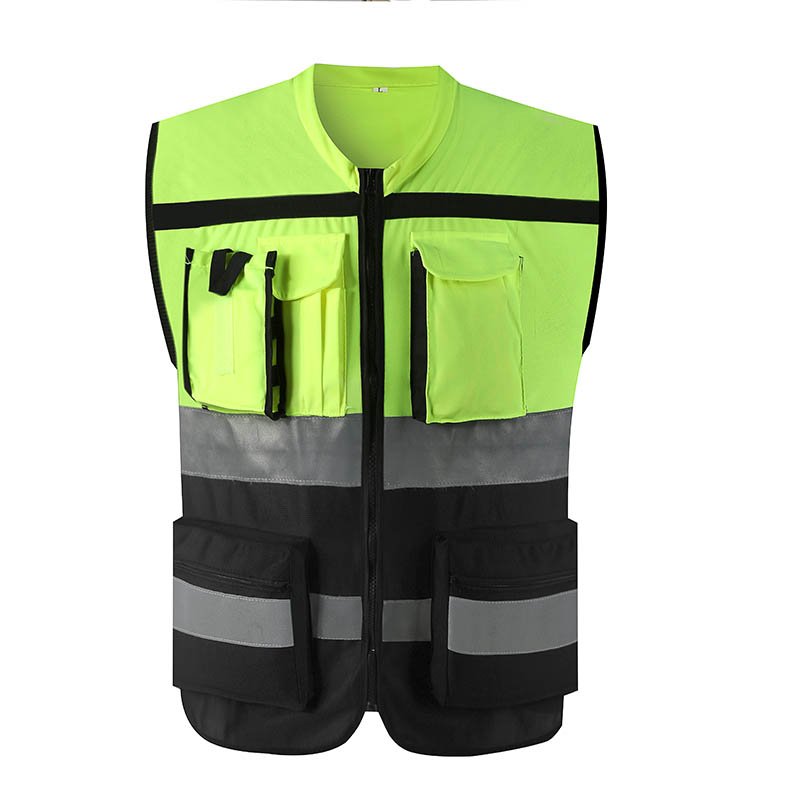
3. Check visibility, fit and access during the actual work
Review the garment on representative workers or fit forms in the complete layer combination. Observe front, side and rear views while the person reaches overhead, bends, turns, handles cartons and enters/exits equipment zones. Check that the garment does not ride up, open unintentionally or become covered by scarves, harnesses, radios, gloves or tools.
Use a task checklist rather than a product-photo decision. Identify whether workers need pockets accessible with gloves, closures operable with cold hands, a hood compatible with head protection, or a longer garment over other layers. These are design questions for a sample trial—not generic promises about all freezer garments.
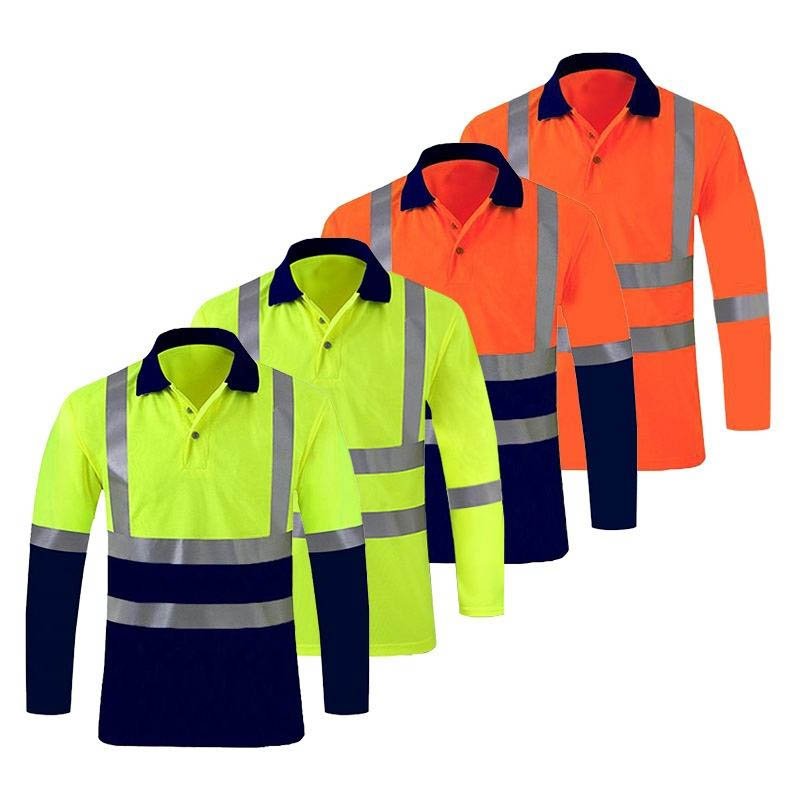
High-visibility apparel is only one part of the risk-control plan. CCOHS explains that material functions differ in natural light and low-light conditions and recommends assessing work conditions and applicable requirements before selection. [2] Have the employer’s responsible reviewer specify the needed garment type, visibility design and evidence for the worksite.
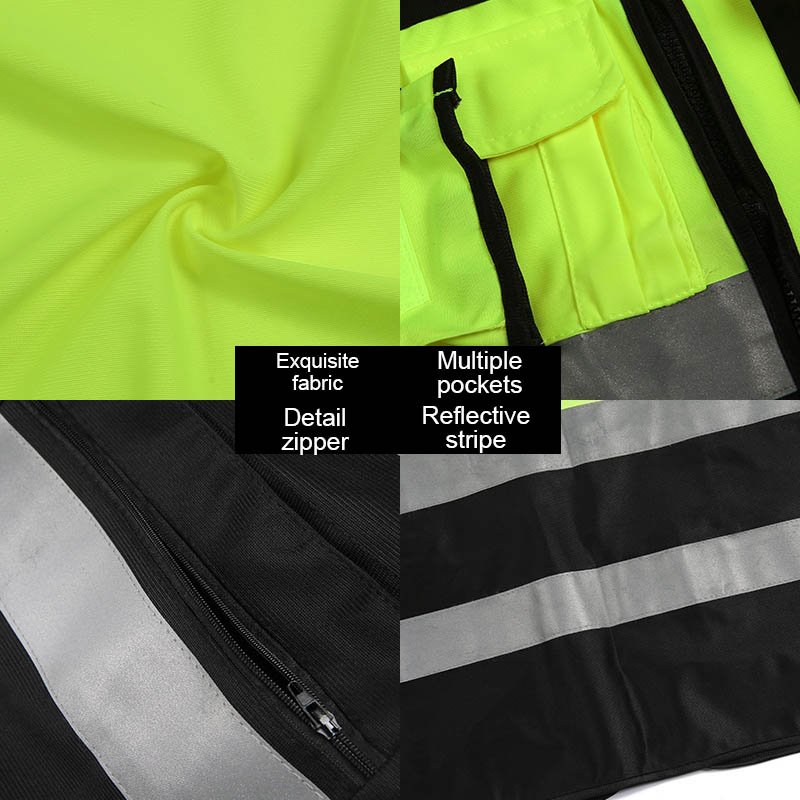
4. Run a representative trial and plan care/replacement
Trial the intended garment system in the actual zone or a controlled representative setting. Record garment models and sizes, base layers, outer layers, task, duration defined by the employer, wearer feedback, mobility or access issues, and any point where visibility features are obscured. Ask the safety owner to decide whether more formal evaluation is needed.
Include cleaning and replacement in the purchasing plan. Confirm which cleaning method applies to the assembled garments, how the clothing is inspected for contamination or damage, who withdraws an item from use, and how replacement sizes are stocked. Dirt, damage and wear can affect visibility; CCOHS advises appropriate care and inspection of high-visibility apparel. [2]
Do not promise a service life based on a generic wash count. Use the supplier’s model-specific care information, the employer’s actual cleaning route and the evaluation criteria set by the responsible reviewer.
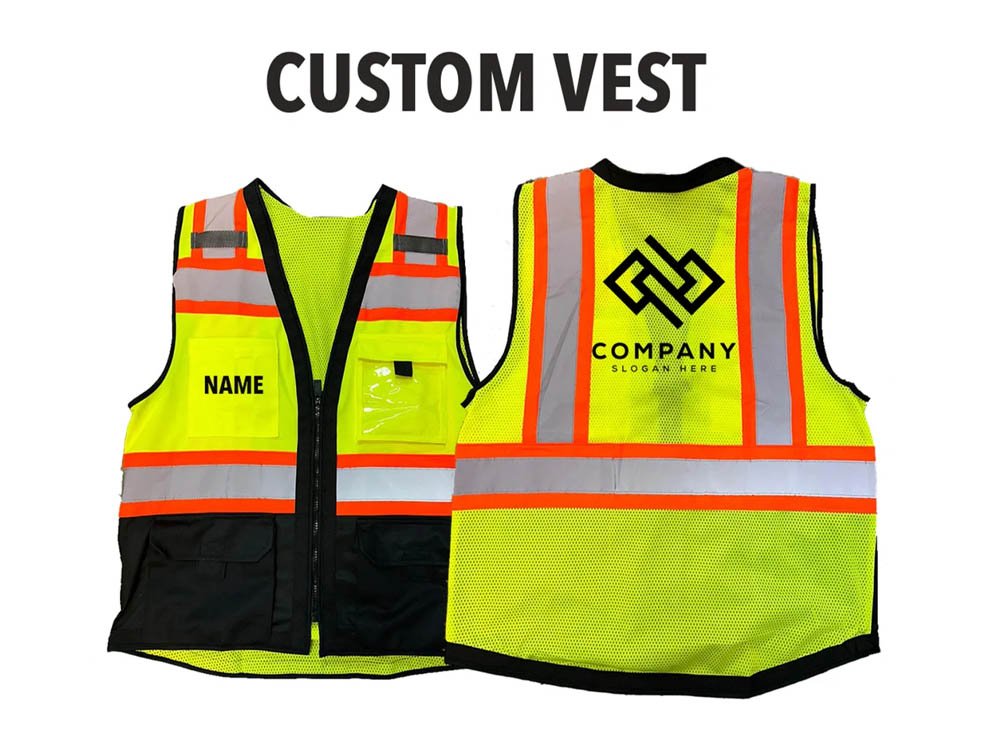
5. Use this cold-storage uniform checklist
| Before sample | Before approval | Before replenishment |
|---|---|---|
| Zone/task map and worksite review are available | Representative layer combination is tried during task movement | Approved model, size range and supplier code are in the reorder file |
| Traffic and equipment interfaces are described | Visibility and fit are reviewed with the responsible owner | Care, inspection and replacement owner are clear |
| Thermal or specialist claims are assigned to a reviewer | Evidence scope and product identity match the exact garment | Substitutions and design changes require review |
| Required sizes, closures, pockets and layers are listed | Open issues have an owner and disposition date | Seasonal stock plan covers the approved size run |
When a trial produces a concern, capture the task and layer conditions rather than only writing “too bulky” or “not warm enough.” That detail helps the supplier and employer determine whether the issue is fit, material, garment design, work practice or a need for specialist assessment.
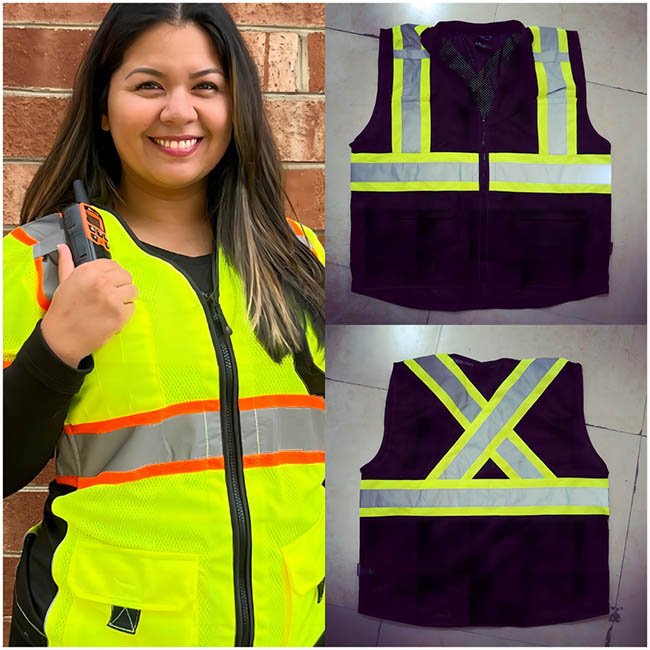
6. Copy this supplier brief
Site and destination: [country / facility / employer requirement]
Work zones: [freezer / chilled / dock / yard / transitions]
Tasks and vehicle interfaces: [task map / equipment]
Conditions and exposure: [employer-provided values / duration / breaks]
Clothing layers: [base / insulation / hi-vis outer / weather layer]
Garment requirements: [style / sizes / closure / pockets / hood]
Required visibility design: [project owner / reviewer to confirm]
Thermal or specialist protection: [requirement source / evidence needed]
Care and inspection route: [cleaning / owner / replacement trigger]
Trial participants and tasks: [representative user / checklist]
Open questions: [issue / owner / due date]
Ask the supplier to identify exact models, supported layers, product-specific documents, sample availability, sizing and any limitation. Have the employer’s safety reviewer define acceptance before ordering.
Related buyer guide: For the broader process of documenting market and workplace requirements, see high-visibility clothing requirement checks.
Frequently Asked Questions
Can we put a vest over existing insulated clothing?
Only after checking fit, secure closure, movement and whether required visibility features remain exposed. Review the complete combination in the workplace assessment.
Does “hi-vis” mean suitable for low temperatures?
No. High-visibility design and cold-protection suitability are different questions. Request product-specific information and involve the employer’s safety reviewer.
Should every worker receive the same layering system?
The program can standardize approved combinations by task and zone, but define those groups from the site assessment and worker needs.
Can a photo confirm a garment is warm enough?
No. A photo cannot establish thermal performance or fit during work. Review product documents and run the appropriate sample or wearer evaluation.
Plan a Cold-Storage Uniform Trial
For warehouse programs, compare VizGlo’s logistics workwear options and hi-vis rainwear. Send the work-zone map, layer combination, size needs and reviewer-defined evidence requirements with your enquiry.
Discuss a logistics uniform brief