Size consistency is a specification problem before it becomes an inspection problem. A useful bulk measurement check starts with agreed points of measure, a controlled size chart and a clear decision rule. It should let the buyer and factory reproduce the same result.
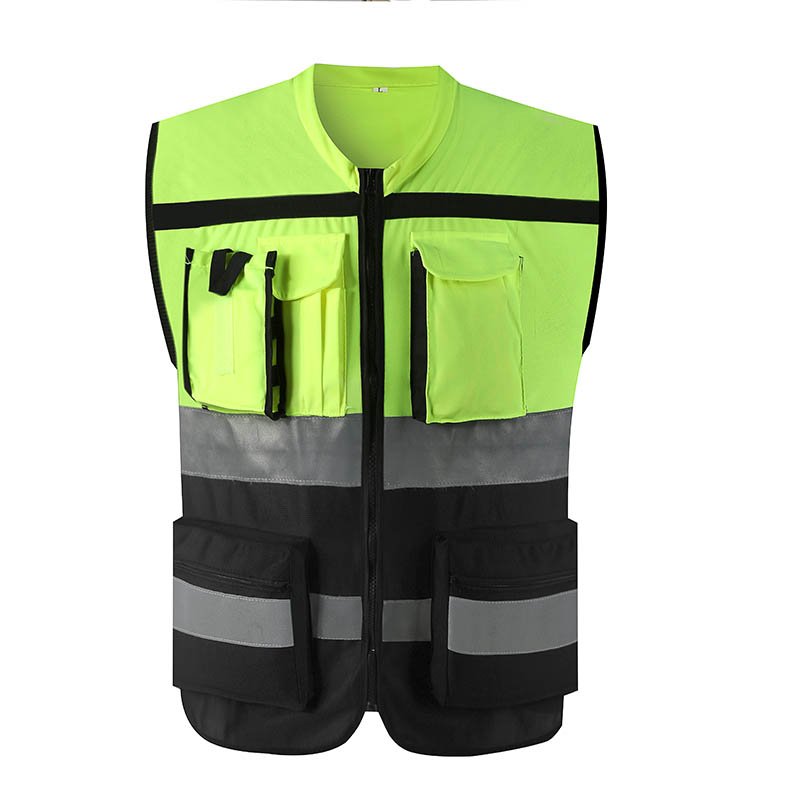
1. Freeze the measurement reference
Identify the style, approved sample, size chart revision and measurement units. Define whether each dimension is measured flat, around the garment or along a seam. Show the start and end points in a drawing, including how closures are positioned and whether elastic is relaxed or extended.
An instruction such as “measure chest” is incomplete if one team measures a flat width and another reports a circumference. Resolve those differences before collecting production data.
2. Agree tolerances by measurement point
Use the tolerances in the approved specification. Different construction features may need different limits; do not copy a universal tolerance into every style. Define how measurements are rounded and how results at the boundary are handled.
If the chart is incomplete, obtain approval from the product owner rather than asking the inspector to invent limits during inspection. Record any revised limits as a new controlled version.
3. Define the lot and selection plan
Identify the order, production lot, size range and colors covered. Agree how pieces are selected and how findings will be evaluated. The sampling approach should match the purchase agreement and quality plan, not simply the number of garments that fit on the inspection table.
Spread checks across the relevant variants and production sources. Record the identity of each sampled piece so a problem can be traced to a size, carton or lot. Keep garment condition and measurement method consistent.
4. Record actual values, not only pass or fail
For each point, record nominal size, allowed limits and measured value. Calculate the deviation from nominal. Keep observations such as twisting, puckering or asymmetry separate from dimensional results. A garment can meet one measurement while still presenting another construction issue.
When an unexpected result appears, first verify the method, garment condition and transcription. Repeat a measurement under the agreed procedure; do not repeatedly measure until a preferred result appears.
5. Investigate patterns and control disposition
Look for repeated deviations by size, color, location or production batch. A repeated short sleeve in one size requires a different investigation from scattered data-entry errors. Send the factory the affected measurements, photos and sample identities.
Define whether the lot is held, sorted, reworked or accepted under a documented concession. Record who has authority to decide. After correction, verify the affected scope against the same controlled requirements and retain the original results.
Buyer’s working checklist
| Field | Record or decision |
|---|---|
| Identity | Order, style, lot, color, size and sampled-piece reference |
| Method | Point-of-measure drawing, garment preparation and units |
| Limits | Nominal value, tolerance and approved chart revision |
| Result | Actual measurement, deviation and reviewer |
| Disposition | Decision owner, affected quantity and recheck evidence |
Frequently asked questions
Should every measurement have the same tolerance?
No. Use the approved requirements for each point and construction. The product owner should resolve missing or conflicting limits.
Does an approved sample prove the full order is consistent?
No. The sample is a reference. Bulk consistency still needs a defined production and receiving control plan.
Prepare Your Procurement Brief
Use the workwear range to identify candidate styles, then send the size chart, measurement drawings and inspection expectations with your inquiry.