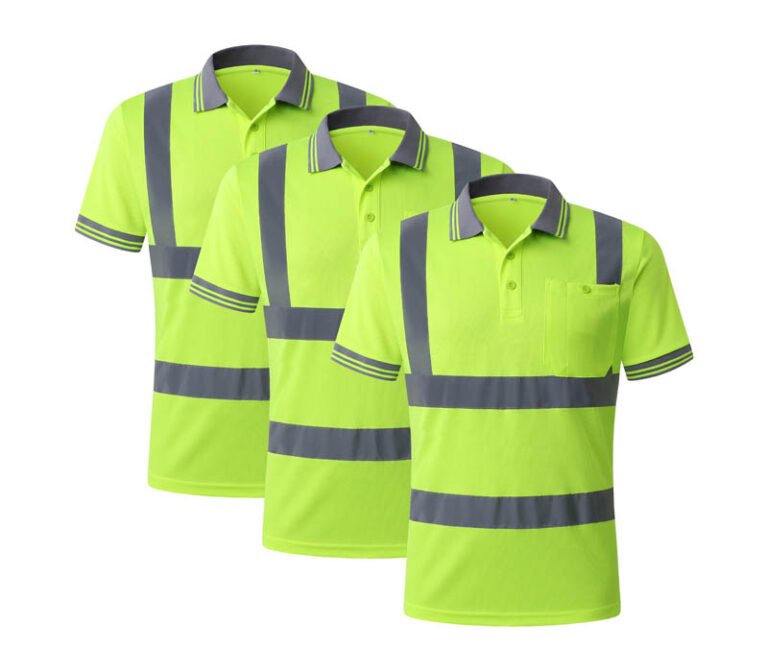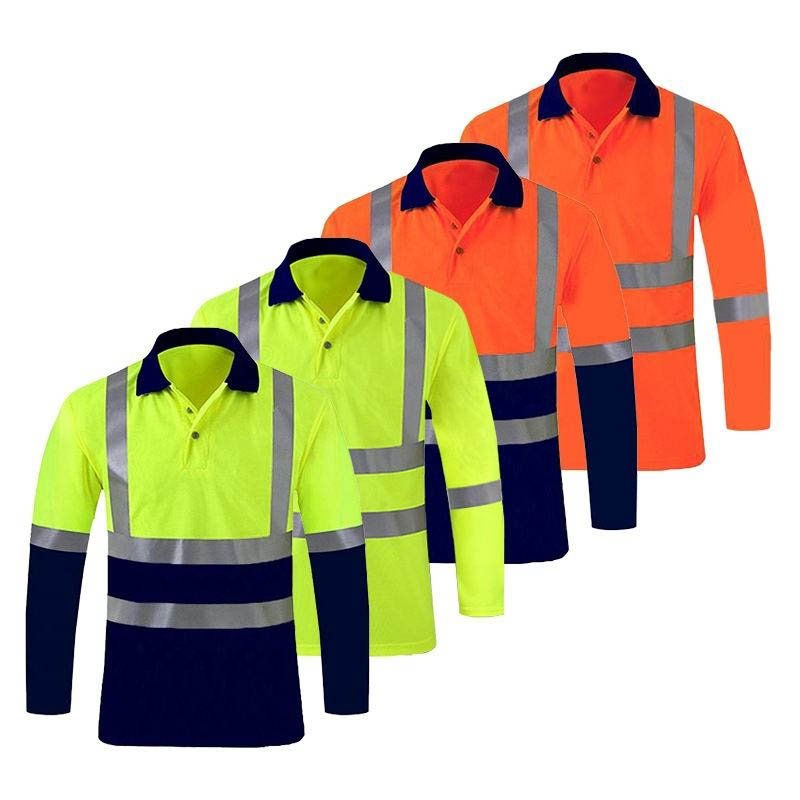
Hi Vis Clothing for Railway Workers: Standards, Design, and Strategic Procurement Guide
Published by VizGlo Safety Technical Team | Updated for Rail Safety Officers & Procurement Directors
Hi vis clothing for railway workers is specialized personal protective equipment engineered to provide 360-degree daytime and nighttime visibility across trackside environments, meeting rigorous international certifications like RIS-3279-TOM (UK Rail Orange), EN ISO 20471 Class 3, and ANSI/ISEA 107 Type R. Beyond standard fluorescence, effective railway workwear demands high resistance to brake dust and grease abrasion, human-factor ergonomic designs—including tear-away breakaway seams and anti-snag internal pockets—and heavy-duty fabric integrity that withstands harsh industrial wash cycles to minimize total cost of ownership.
1. Compliance is the Starting Line: Global Railway Standards
Every procurement manager begins with an RFQ specification requiring strict compliance standards. In the rail industry, visibility standards are more stringent than in standard roadside construction due to high operational speeds, heavy rolling stock, and dynamic ambient lighting conditions.
RIS-3279-TOM (UK Standard)
Mandates a precise spectral chromaticity for railway orange. Unlike highway fluorescent yellow, this exact orange tint ensures zero visual conflicts with green or amber rail signaling systems while maximizing contrast against gravel ballast and dark terrain.
Essential for Network Rail networks and affiliated contractors.
EN ISO 20471 & ANSI/ISEA 107
Specifies Class 2 and Class 3 configurations for high-risk zones. In heavy rail corridor applications, full ensembles (such as an orange waterproof jacket combined with high-visibility trousers) are required to achieve full Class 3 body coverage.
Covers 360-degree retroreflective tape area and background fluorescent fabric surface area.
For technical insights into global visibility classifications and meeting these regional requirements, consult our detailed overview on hi vis workwear manufacturing standards. Furthermore, you can review testing documentation from regulatory resources such as the Rail Safety and Standards Board (RSSB).
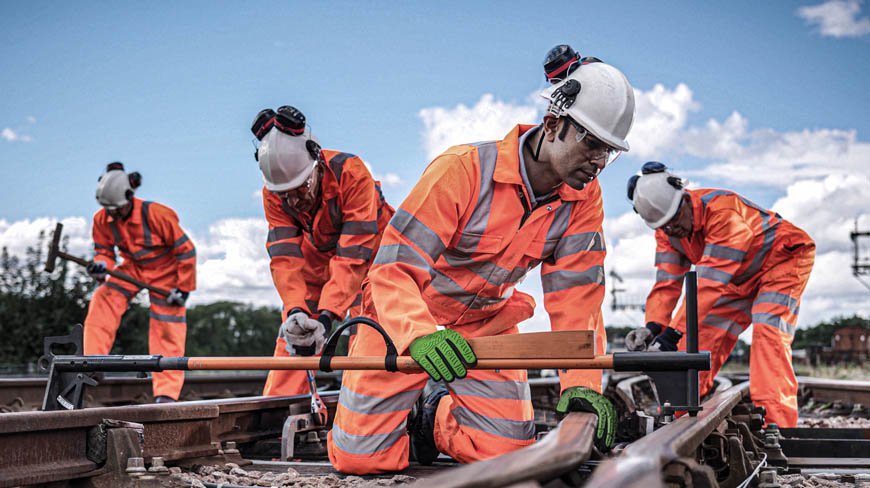
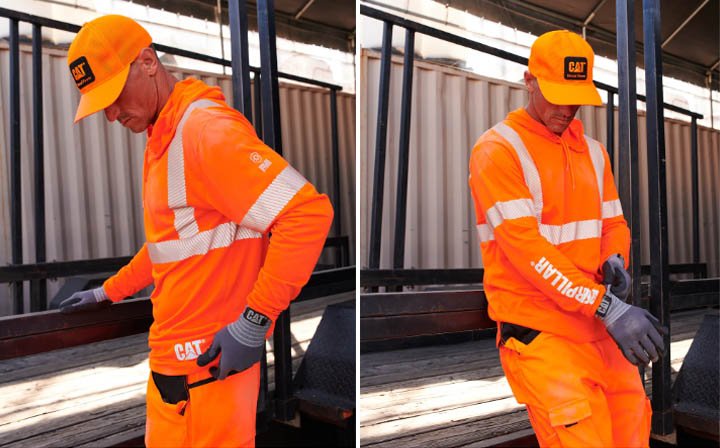
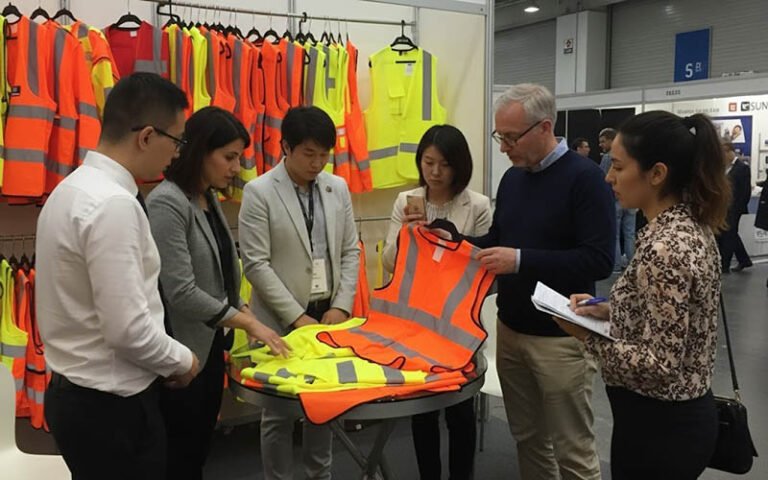
Figure 1: High-visibility rail orange workwear deployed in live track environments.
2. Day 1 vs Day 100: Surviving the Realities of Track Maintenance
A garment may pass third-party lab inspection on Day 1, but its real performance is measured on Day 100. Railway track workers constantly contend with ferrous brake dust, grease, abrasive ballast aggregate, and rigorous shift patterns.
“The most costly safety vest is not the one with higher upfront materials—it is the compliant vest that fades to an illegal shade or loses reflective adhesion after just ten industrial laundering cycles.”
To maintain long-term compliance without frequent uniform write-offs, strategic buyers must inspect three fabric parameters:
- Colorfastness & Pigment Binding: Premium woven Oxford and twill polyesters treated with high-grade dispersion dyes prevent the specific rail orange shade from shifting toward yellow or fading under UV sunlight.
- Brake Dust & Soil Release Finishes: Fluorocarbon or Teflon surface treatments prevent fine metal particles from penetrating the core fibers, allowing garments to wash clean during standard laundering.
- Retroreflective Tape Bonding: High-performance glass-bead heat transfer films and reinforced backing tapes must maintain retroreflective coefficients (RA > 400 cd/lx/m²) even after 25–50 industrial wash cycles.
To review technical details on tape longevity and substrates, explore our engineering breakdowns for industrial reflective tapes and high-durability backing textiles.
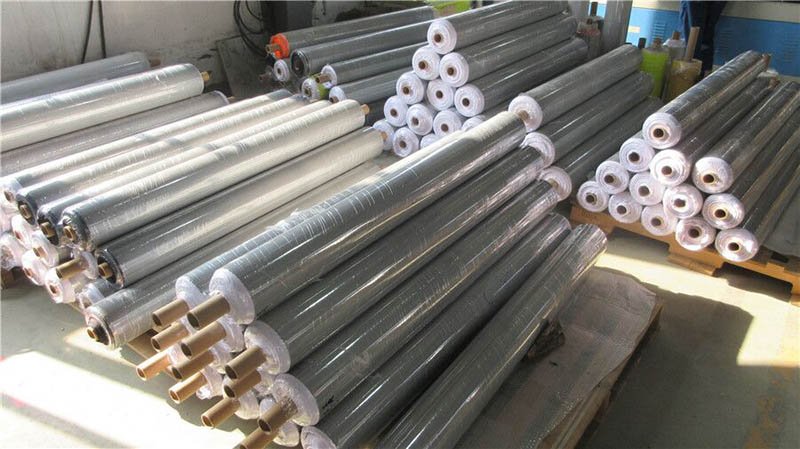
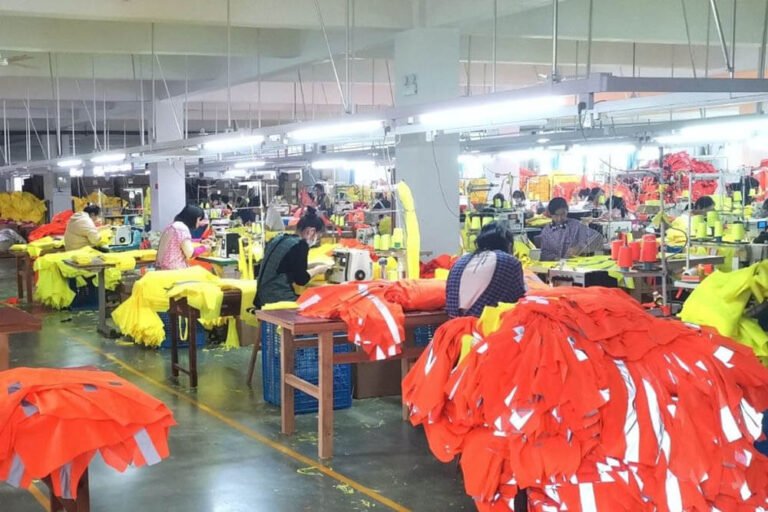
Figure 2: Quality verification of retroreflective tape adherence and finish at VizGlo production facilities.
3. Designing for the Task: Ergonomics, Anti-Snag & Breakaway Systems
Trackside maintenance and shunting require significant physical mobility: climbing into locomotives, reaching overhead electrification, and kneeling on uneven ballast. Poorly patterned workwear leads to fatigue, restricted motion, and serious entanglement hazards.
Critical Functional Design Points for Rail:
1. 5-Point Quick-Release Breakaway Systems
Essential for vests and lightweight tops used near moving cars or rotating equipment. Hook-and-loop closures along the shoulders, side seams, and center-front ensure the garment snaps away harmlessly if snagged.
2. Anti-Snag Pocket Geometry
Elimination of exterior loops, loose storm flaps, or bellows pockets that catch on passing levers and machinery. Specialized internal radio pockets and flush-fit ID badge holders maintain functionality without snag points.
3. Articulation & Segmented Stretch Tapes
Pre-curved sleeves, articulated knee panels, and flexible segmented heat transfer films prevent the garment from binding across the shoulders during 12-hour shifts.
For severe weather operations, evaluate specialized protective outerwear such as our breathable hi vis rail raincoats and jackets engineered to withstand high hydrostatic pressure without trapping internal perspiration. Learn more about human factor standards via the OSHA PPE Guidelines.
4. The Procurement Mindset: Calculating Total Cost of Ownership (TCO)
When evaluating supplier bids, comparing pure unit price creates a false economy. The strategic calculation every procurement officer should use is the Total Cost of Ownership (TCO) per service month:
| Evaluation Factor | Budget Generic Vest | VizGlo Industrial Rail Vest |
|---|---|---|
| Initial Unit Price | $6.50 | $12.00 |
| Certified Wash Cycles | 10 Washes (Degrades quickly) | 50+ Washes (Tested) |
| Effective Lifespan on Track | 2 to 3 Months | 12 to 18 Months |
| Reorder & Admin Friction | High (4–6 PO cycles/yr) | Low (Annual program) |
| Effective Monthly Cost / Worker | ~$2.60 / month | ~$0.80 / month |
As demonstrated, high-durability safety apparel lowers annual expenditure by more than 60% while mitigating regulatory non-compliance risks during safety audits.
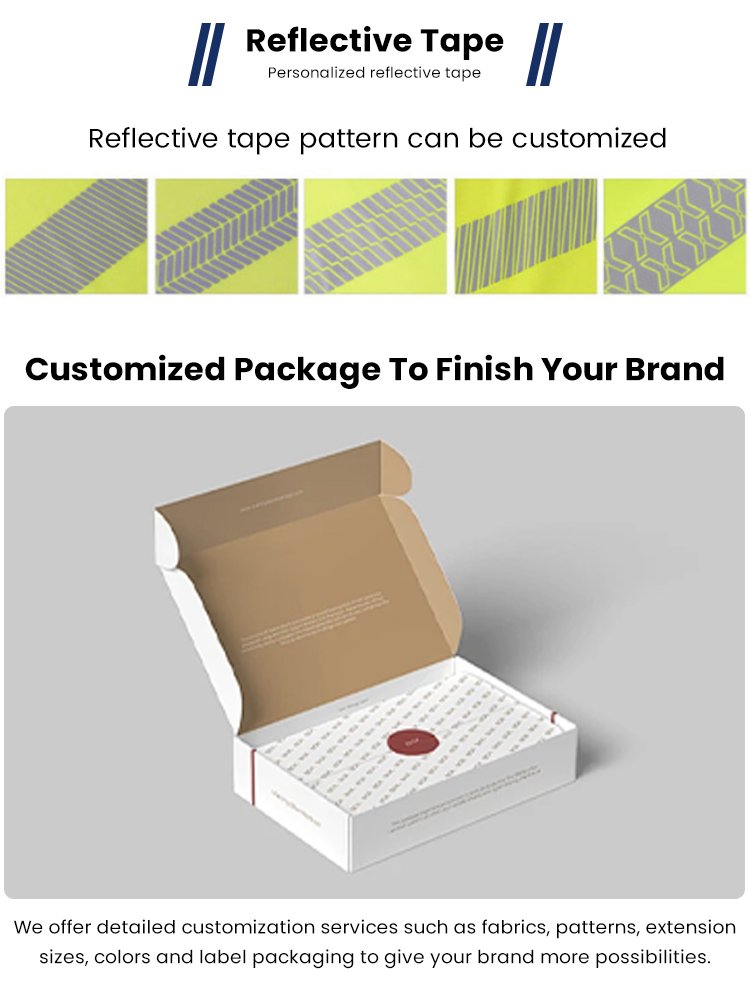
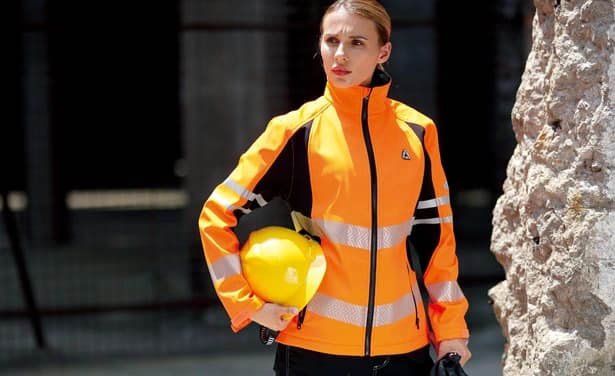
Figure 3: Heavy-duty seam construction and abrasion-resistant reflective materials engineered for longevity.
5. Partnering with an Integrated OEM/ODM Manufacturer
Sourcing directly from a fully integrated manufacturer allows rail authorities, enterprise contractors, and safety distributors to control every step of the supply chain. At Nanjing VizGlo Safety Technology Co., Ltd., we maintain full vertical integration—from manufacturing specialized retroreflective films to cutting and assembling certified finished garments.
Whether your procurement needs require custom radio harness loops, specialized fire-retardant rail coats, or regional branding, discover our custom manufacturing capabilities on our railway hi vis clothing product center. For further guidance on global protective equipment compliance, refer to resources like the British Standards Institution (BSI).
Optimize Your Railway Safety Apparel Program
Get in touch with our technical OEM/ODM specialists for fabric swatches, lab test reports, or a tailored bulk quotation for your workforce.
Request a Bulk Procurement Quote