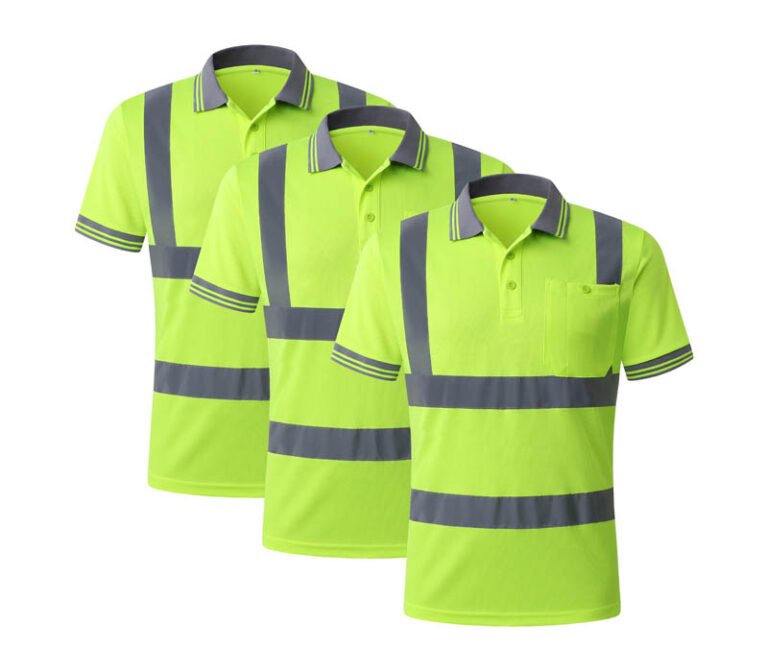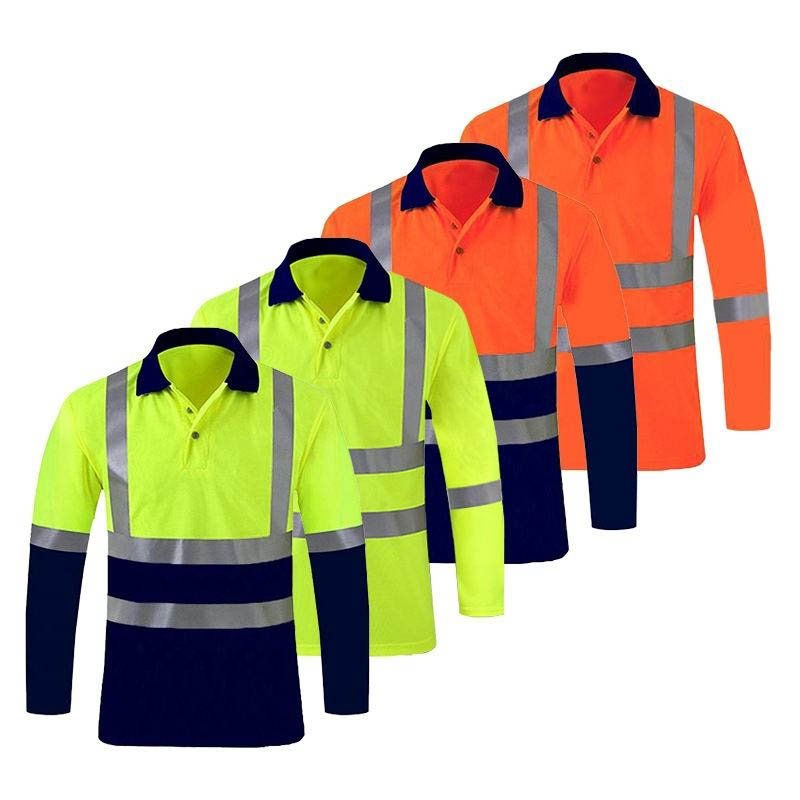
Hi Vis Workwear Overalls: How to Choose for Industrial and Construction Use
A strategic sourcing evaluation for procurement officers, safety directors, and PPE distributors balancing regulatory standards, lifecycle durability, and custom OEM manufacturing.
Executive Summary for Buyers
To choose the right hi vis workwear overalls for industrial and construction applications, buyers must match certified Class 3 visibility standards (such as ANSI/ISEA 107 or EN ISO 20471) to workplace speed hazards, select a balanced poly-cotton blend (typically 65/35 or 80/20 at 240–300 GSM) for tear strength and breathability, and specify engineered durability features including bar-tacked stress points, reinforced knee-pad pockets, and segmented retroreflective tape. Aligning these technical specifications with an integrated OEM/ODM manufacturer ensures full regional compliance, lower total cost of ownership (TCO), and higher crew adoption on the jobsite.
1. The Compliance vs. Market Reality Dilemma
For global PPE distributors and procurement teams managing cross-border supply chains, specifying protective coveralls goes far beyond buying yellow or orange fabric. High-risk jobsites—such as highway reconstruction, commercial building, heavy rail maintenance, and mineral extraction—require rigorous certified coverage.
A common procurement challenge is standard misalignment across target territories. In North America, the benchmark standard is ANSI/ISEA 107 guidelines, which dictate specific square inches of background fluorescent material and retroreflective tape for Type R, Class 3 garments. Conversely, European contracts operate under EN ISO 20471 compliance parameters, utilizing a three-class tier based on strict square-meter measurements of active visibility.
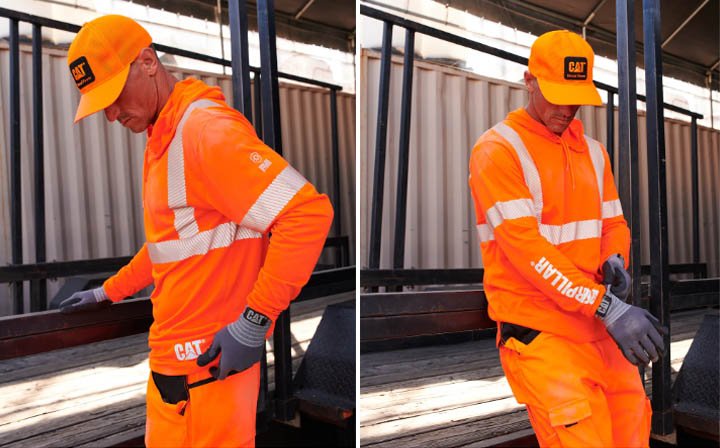
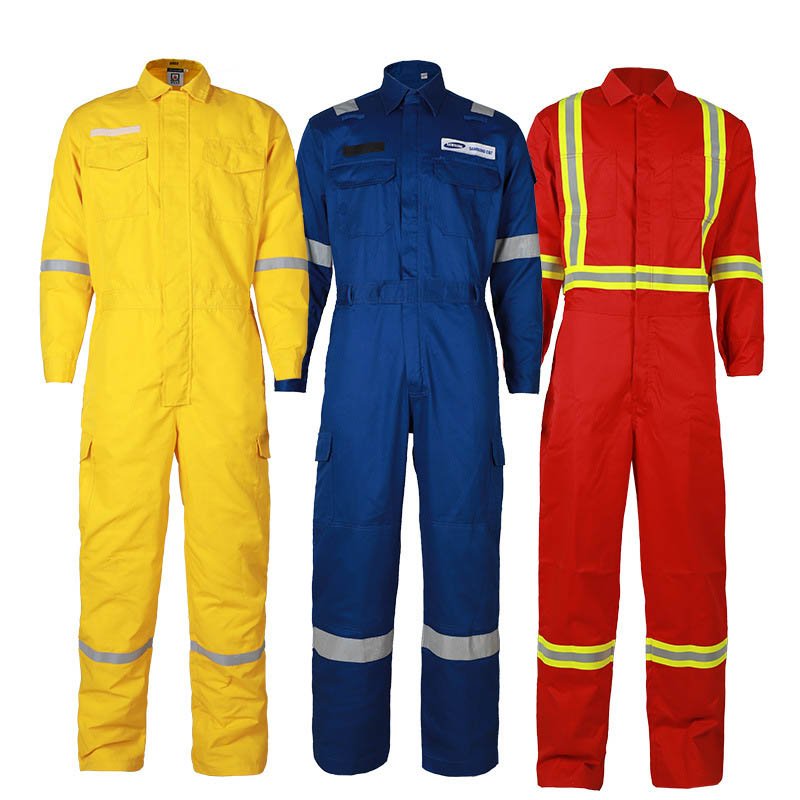
Full-body overalls and coveralls represent the cornerstone of full-coverage safety. Because they enclose the arms, torso, and full length of the lower limbs, they naturally deliver the total luminous surface area required for Class 3 compliance. However, small design oversights—such as adding oversized dark contrast panels along the flanks or cutting reflective tape breaks too wide—can drop an overall below mandatory threshold boundaries. Working with a dedicated manufacturing partner ensures your production patterns meet testing lab thresholds across both continents simultaneously.
2. Fabric Engineering: Balancing Durability, Comfort, and Unit Cost
The foundation of any high-visibility garment lies in the textile matrix. Professional buyers must navigate the fundamental trade-off between tear strength, colorfastness against UV light, thermal comfort, and laundering longevity.
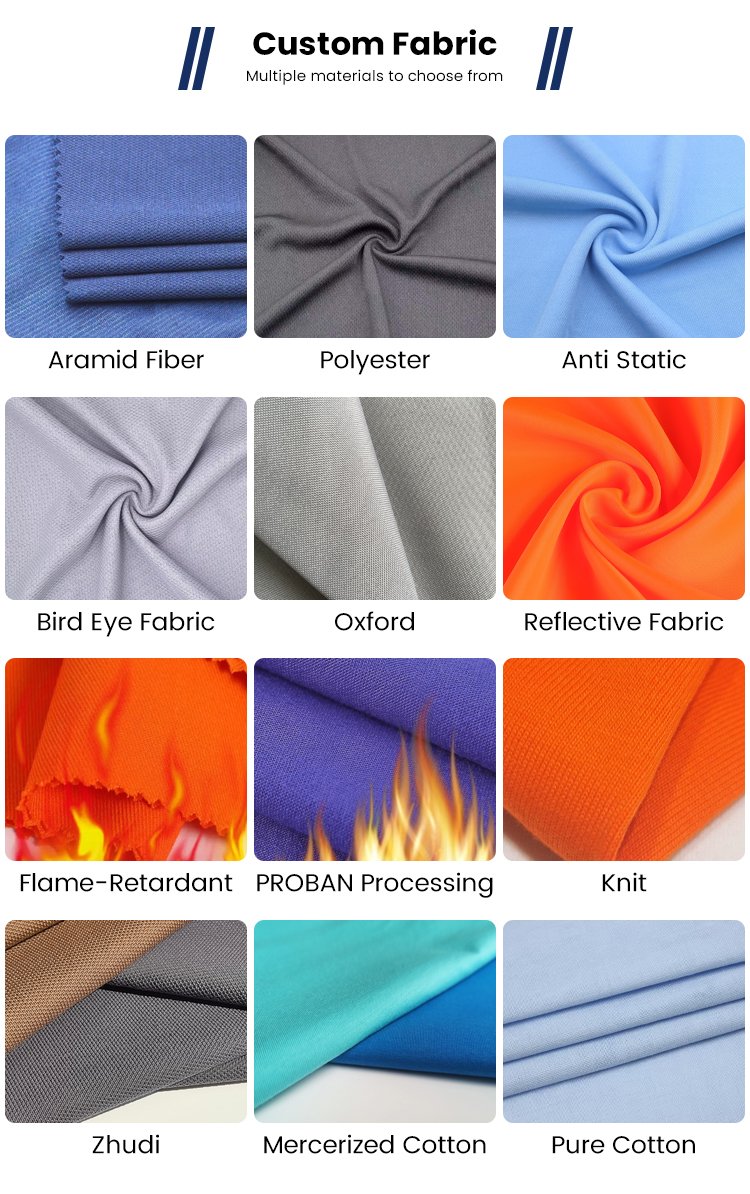
| Fabric Blend | Key Strengths | Trade-offs | Best Application |
|---|---|---|---|
| 80/20 or 65/35 Poly-Cotton (240–300 GSM) | High tensile strength, abrasion resistance, vibrant fluorescent retention after industrial washes. | Lower natural breathability in extreme tropical heat compared to high-cotton weaves. | Heavy civil construction, municipal roads, logistics yards. |
| 100% Cotton with Fluorescent Coating | Superior skin-friendly breathability, natural static dissipation, high thermal absorption. | Higher shrinkage rates, faster color fading under continuous sun exposure. | Hot-climate operations, outdoor agricultural and general maintenance work. |
| Treated FR / Inherent Aramid Blends | Certified arc-flash and flash-fire resistance, non-melting fibers, anti-static carbon grid. | Higher initial unit investment; requires strict detergent protocols. | Petrochemical refineries, utilities, offshore platforms, welding shops. |
For specialized industrial bids, standard polyester weaves fall short. Sourcing teams frequently require customized fabric solutions such as oil-and-water repellent (Teflon™ treated) finishes, 4-way mechanical stretch inserts around the torso gusset, or anti-static grid weaves conforming to EN 1149. Explore our specialized production capabilities in our dedicated Hi Vis Workwear collection.
3. Structural Details: What Separates Disposable Workwear from Premium Assets
When analyzing quotes, experienced buyers look past the basic silhouette. The actual cost of a garment is measured in months of service life rather than initial purchase price. Premature seam blowouts and torn pocket corners quickly inflate an enterprise’s replacement budget.
- Bar-Tacked Stress Points: Heavy-duty industrial coveralls must include automated bar-tacking (dense secondary reinforcement stitching) at all pocket edges, crotch cross-seams, zipper terminations, and side pass-through slits.
- Reinforced Knee-Pad Pockets: Workers in rail maintenance and construction spend hours kneeling on rough aggregate. Overalls featuring 300D to 600D Oxford reinforcements with bottom or top-loading knee-pad chambers dramatically extend garment life.
- Heavy-Duty Closure Hardware: Dual-direction brass or heavy-gauge molded YKK resin zippers with interior draft flaps prevent snagging, metal sparking, or premature tooth breakage during active physical labor.
- Action-Back Pleats & Elasticated Waistbands: Ergonomic bi-swing back construction provides full upper-body mobility without pulling the trouser hems upward when bending or reaching overhead.
4. Reflective Tape Technology and Joint Ergonomics
The retroreflective element on an overall represents the critical safety component for low-light and night operations. As an integrated manufacturer producing our own optical materials, we evaluate reflective elements based on coefficient of retroreflection ($R_A > 400\ \text{cd/lx}\cdot\text{m}^2$), backing structure, and thermal performance.
Traditional continuous glass-bead fabric tape sewn around the sleeves and legs often creates stiff “choke points” that restrict fabric drape and trap sweat against the skin. For premium apparel lines, specifying heat-applied segmented reflective film offers significant advantages:
Segmented tapes allow the underlying garment to stretch naturally around knees and elbows, eliminate stitch perforations that weaken water-resistant coatings, and enhance worker comfort. Discover our extensive selection of in-house trims by exploring our Certified Reflective Tapes catalog.
5. OEM/ODM Customization for Enterprise Fleets and Private Labels
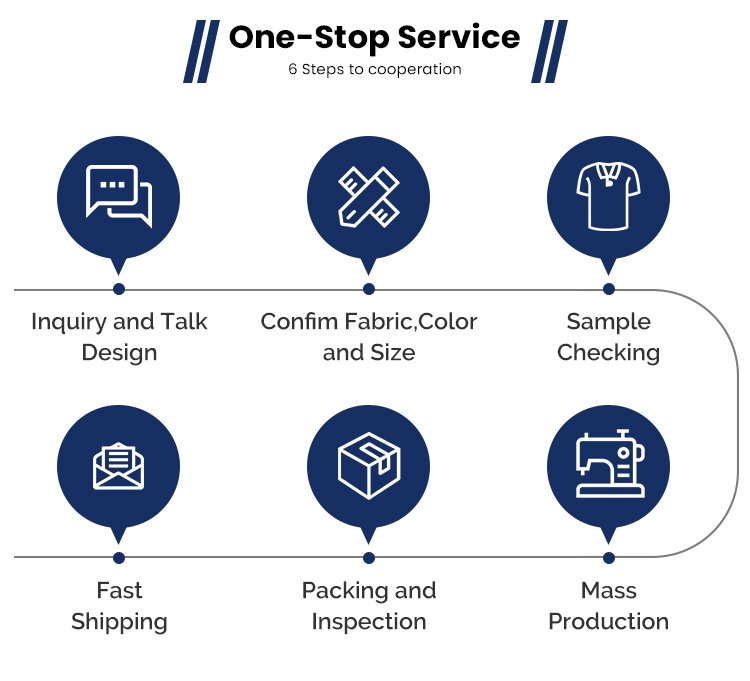
Distributors and corporate safety buyers often need specialized functional layouts to accommodate specific operational toolsets, mobile devices, and branding mandates. Standard off-the-shelf catalog models rarely meet these detailed requirements.
Partnering with an agile OEM/ODM factory enables tailored modifications across every assembly stage:
Customized Functional Architecture
Integrate waterproof radio pockets, mic loops, ruler slots, pass-through side access pockets, and ID badge holders engineered to field specifications.
Compliant Corporate Branding
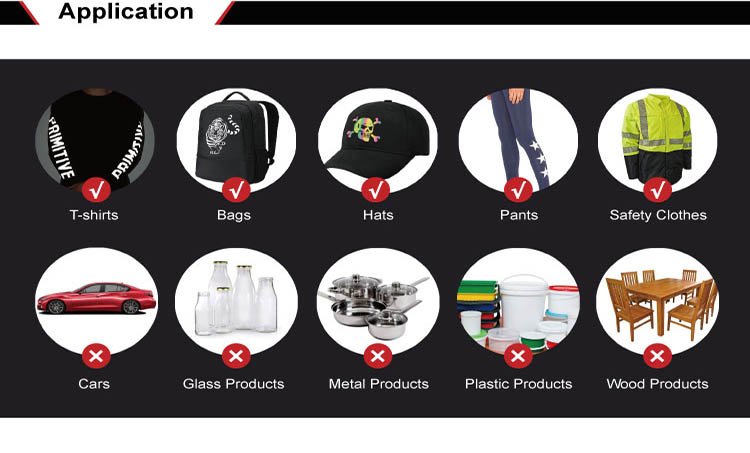
Apply screen-printed emblems, direct embroidery, or reflective transfer branding positioned precisely to preserve Class 3 background area requirements.
To design custom prototypes tailored to your company’s technical specifications and brand identity, visit our comprehensive OEM/ODM Customization Center.
Partner with VizGlo Safety for Enterprise Workwear
With over 15 years of vertically integrated manufacturing expertise, Nanjing VizGlo Safety Technology Co., Ltd. supplies high-visibility safety clothing and high-grade retroreflective materials to global distributors and industrial operators. Discover our complete manufacturing capability across all certified garment series at our core hub: SF6 Circuit Breakers & Industrial Safety Systems Center.
Frequently Asked Questions
What safety standard class do hi vis overalls typically achieve?
Full-body hi vis workwear overalls (or coveralls) usually qualify for Class 3 compliance under ANSI/ISEA 107 and EN ISO 20471. Because the garment wraps both the torso and the full length of the legs in fluorescent background material and retroreflective tape, it provides the maximum 360-degree surface area required for high-risk industrial, roadway, and heavy machinery zones.
What fabric blend offers the best balance of durability and worker comfort?
A 65/35 or 80/20 Polyester-Cotton twill blend (ranging from 240 to 300 GSM) offers the industry’s most reliable balance. The polyester exterior provides color fastness, tear resistance, and dimensional stability, while the combed cotton content absorbs perspiration and keeps workers comfortable during long shifts in warm or active environments.
Can hi vis overalls be customized with corporate logos without compromising compliance?
Yes. Logos can be applied using embroidery, heat transfer, or retroreflective heat seal films. However, OEM engineers must calculate the remaining area of fluorescent fabric to confirm that oversized badges or non-reflective patches do not reduce the visible fluorescent background below regulatory Class 3 square-meter minimums.
Why is segmented reflective tape preferred over solid glass-bead tape on modern coveralls?
Segmented (heat-applied) reflective tape allows the underlying fabric to flex and breathe. Unlike continuous, stiff glass-bead fabric tapes sewn onto the limbs, segmented films prevent thermal build-up around the joints, resist cracking after industrial laundering, and increase overall worker compliance and comfort.