Hi-Vis Garment Label and Documentation Review: A Buyer’s Receiving Checklist
A label check connects the garment in the carton to the order, model reviewed by compliance and documents supporting its claims. This guide shows buyers how to define the document pack, match identifiers and revisions, inspect labels without guessing at market rules, and hold a shipment when the item and evidence do not agree.
1. Define the market and document pack before production
Start with destination country, intended use, contract, tender and employer/customer specification. Assign a compliance owner to identify laws, standards, markings and records that apply to this product and market. A generic international checklist can prompt questions but cannot replace the controlling requirement.
For products marketed as PPE in the European Union, Regulation (EU) 2016/425 provides a legal framework; use the current text and product-specific conformity documentation rather than a generic certificate image. [1] In other jurisdictions, consult the responsible regulator, employer and buyer specification. Do not infer a global label rule from one region.
| Pack element | Define before order | Owner |
|---|---|---|
| Physical label | Market-required content, language, position and model identity | Compliance/product owner |
| Product documents | Declaration, report or file required by the project | Compliance owner |
| Order identity | Style, variants, size, lot, PO and carton IDs | Buyer/receiving |
| Care/material data | Applicable information and controlled revision | Product data owner |
2. Match the actual garment to each document
Build an identity chain across purchase order, approved sample, technical file, label, carton and packing list. Compare model/style code, size, color, construction revision, batch/lot and responsible company identity where stated. Record where each identifier appears.
Check whether a record covers one model, a product family, component material or test specimen. Those scopes are not interchangeable. Record issuer, document/report number, issue date, validity information where applicable and revision. If product design has changed, ask whether the old document remains applicable and have the responsible reviewer decide.
Request complete reports rather than cropped “pass” panels. Check specimen description, method, conditions, result and exclusions. If accreditation matters to the purchase contract, verify the laboratory’s relevant scope; do not infer it from a logo.
3. Review label content as part of the complete product system
Compare the physical label with the buyer-approved artwork and the exact market-specific requirement. Check readability, language, placement, size/model identifier and any stated claim against its authorized source. Do not copy a standards mark, certification logo, importer name or care claim from another garment without review.
Textile composition and care-label obligations can be separate from PPE markings. Confirm exact obligations and exceptions with the relevant official source and compliance owner. Keep a record of the legal or customer requirement behind each controlled label field.
For private label, identify which party is responsible for the brand, manufacturer/importer identity, traceability details and language review under the applicable rules. Verify that the entity named has authorized the label and that the information matches the transaction.
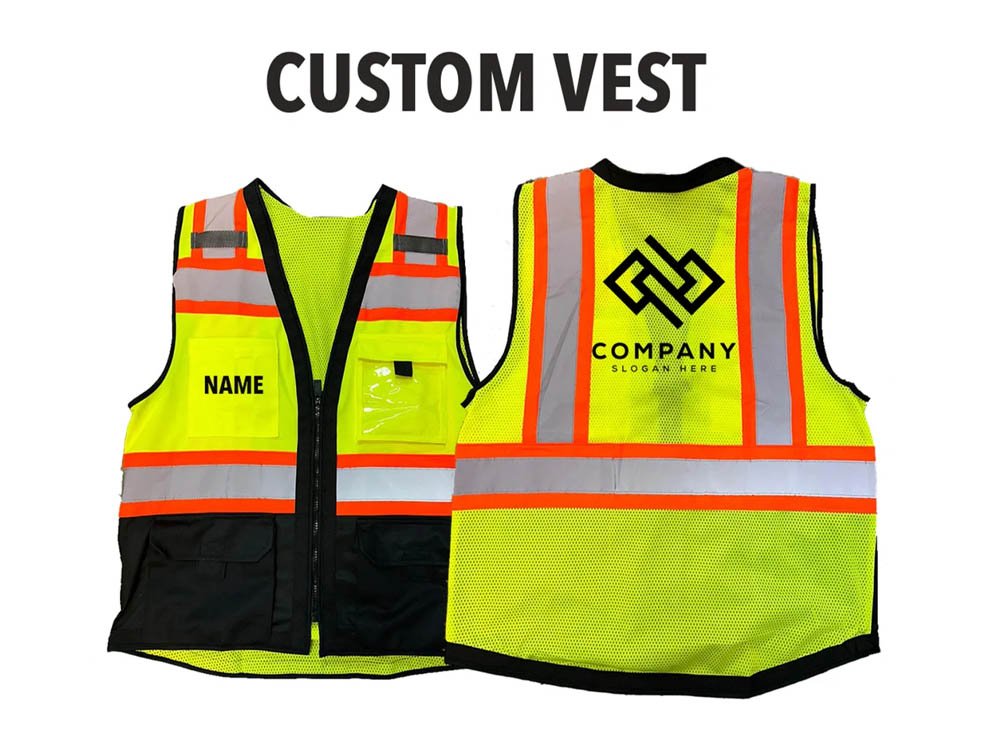
4. Use a cross-check table and discrepancy path
| Check | Compare | When it does not match |
|---|---|---|
| Model/revision | PO ↔ approved sample ↔ label ↔ document | Hold affected goods and request a written mapping |
| Size/color/quantity | PO ↔ carton marks ↔ packing list ↔ garment tags | Count and separate by SKU and lot |
| Claim/marking | Garment label ↔ current requirement ↔ evidence | Escalate to compliance; do not accept verbal assurance |
| Document scope | ID, issuer, date, model and stated limitations | Request complete current records and scope confirmation |
| Traceability | Lot and manufacturer references across records | Preserve carton/label evidence and agree containment |
Receiving staff can record a discrepancy and quarantine a lot under company procedures. Route technical or legal interpretation to an authorized owner. Record whether disposition is accept, rework, return or further evaluation, with the approver and affected units.
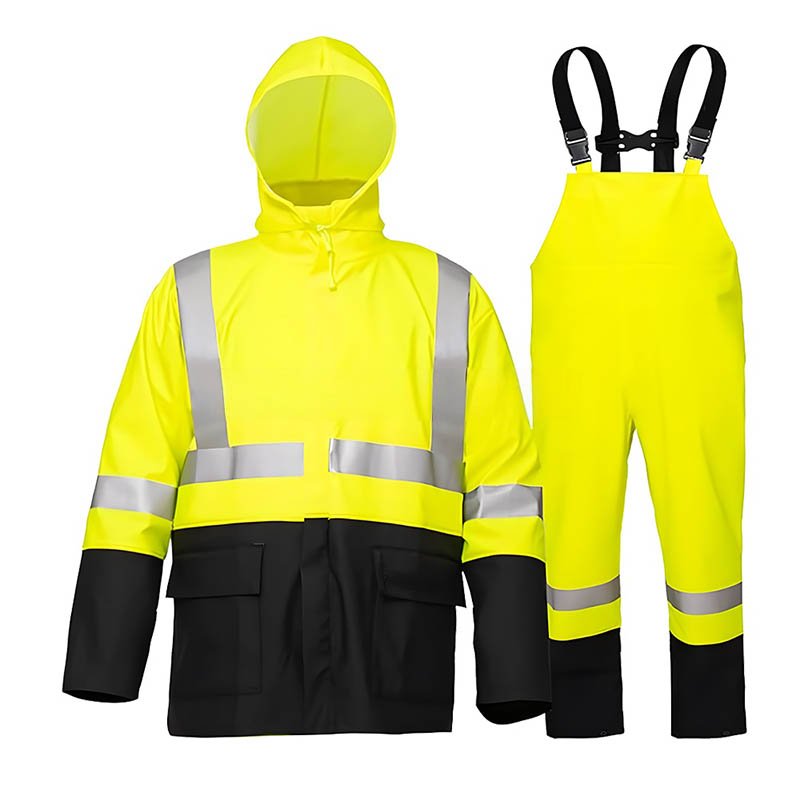
5. Close review before shipment release
Ask for label proofs and documents early enough to resolve questions before dispatch. Use statuses such as received, verified, clarification requested, rejected or not applicable with reason. Name the reviewer and save the checked revision.
Before release, reconcile order quantities and cartons against the reviewed files. If a label or package changes after approval, ask whether it affects identity, traceability or market requirements and obtain approval before shipment. Archive the release pack against the order and lot.
6. Copy this document-pack request
Destination and intended use: [market / task]
Controlling requirement: [document / revision / owner]
Styles, sizes, colors and lots: [list]
Label proof and language: [revision / placement]
Required supporting documents: [reviewer-approved list]
Identity fields: [issuer / ID / covered model / date]
Care/material information: [source / revision]
Carton/packing-list fields: [SKU / size / qty / lot]
Review owner and deadline: [name / date]
Discrepancy/hold process: [authorized contacts]
Ask the supplier to flag open requirements and provide any correction before dispatch rather than after arrival.
Related buyer guide: For supplier identity and document checks before sample ordering, use the supplier evidence checklist.
Work through a receiving discrepancy without losing the evidence
Illustrative example: the packing list and carton identify style V-10, but a sampled garment label reads V-12 and the supplied evidence file names V-10. Record the carton, sampled-piece identity and photographs of both labels. Keep the affected goods identifiable while the supplier and authorized reviewer determine whether this is a packing error, marking error or a different product.
Ask for the explanation and proposed correction in writing. A replacement PDF alone does not correct the labels on the delivered garments. Conversely, changing a label does not prove that the underlying product matches the required construction. The disposition must address both the physical goods and the document record.
Close the discrepancy with the agreed evidence: corrected labels or sorted goods where authorized, reviewed documents, identified affected quantity and receiving sign-off. Retain the original record rather than overwriting it. This lets the next order use the corrected reference and gives the supplier a precise issue to prevent.
Frequently Asked Questions
Does a certificate cover every product from the holder?
No. Match its scope to the exact model, construction, market and claim. Request clarification where the connection is unclear.
Can receiving staff approve a technical question?
They can record and contain a discrepancy. Route technical and legal interpretation to the authorized owner.
Can a component report prove a finished garment?
Not automatically. Check what specimen was evaluated and whether the project requires finished-garment evidence.
What if a label changes after approval?
Request a revised proof, identify what changed and have the owner review it before release.
Prepare a Receiving Review
Start from the relevant hi-vis clothing range and technical files for the exact model. Include the destination market and customer specification when requesting a label and document pack.
Request a garment document pack